
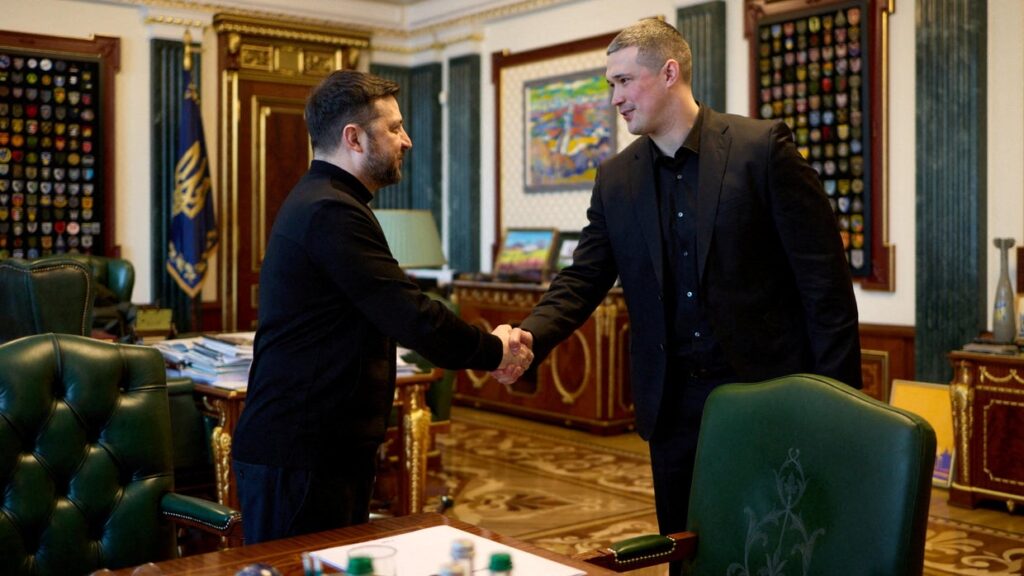
BRUSSELS, July 16 — Against this backdrop of grinding trench warfare and daily artillery duels across Ukraine’s eastern front, the diplomatic landscape surrounding the Russo-Ukrainian War has settled into a pattern of hardened alliances, cautious neutrality, and expanding military blocs. Four years after Russian armoured columns rolled across Ukraine’s borders in February 2022, the conflict has reshaped European security architecture in ways few predicted before the invasion. Ukrainian President Volodymyr Zelenskyy, a former comedian elected in 2019, has become the enduring symbol of Ukrainian resistance.
His leadership, forged in the crucible of war, has rallied a nation and galvanised Western support. On the other side of the battlefield, Russian President Vladimir Putin, in power since 2000, ordered the invasion and has since doubled down on his war aims despite mounting casualties and Western sanctions.
The Western Alliance and Its Price Tag
The United States, under President Joe Biden, led Western support for Kyiv, securing $75 billion in aid for Ukraine. This figure, a staggering sum by any measure, reflects Washington’s commitment to preventing a Russian victory. In the corridors of NATO headquarters, Secretary General Jens Stoltenberg has overseen the alliance’s most significant expansion in decades.
Finland joined NATO in April 2023, and Sweden followed in March 2024, both nations abandoning decades of military non-alignment in response to Russian aggression. The European Union, under European Commission President Ursula von der Leyen, has imposed 13 packages of sanctions on Russia.
These measures, targeting everything from energy exports to financial systems and oligarchs, represent the EU’s most coordinated and sustained economic pressure campaign against a major power. What is at stake for Brussels is not merely Ukraine’s sovereignty but the credibility of the European security order itself.
The Neutral Bloc
Not every major power has chosen a side. China and India have maintained neutrality, continuing trade with Russia even as Western sanctions tighten. Beijing has positioned itself as a strategic partner to Moscow, providing economic lifelines through increased energy imports and technology exports.
The wider picture for China involves a delicate balancing act: supporting Russia without triggering secondary sanctions from the United States and Europe. India, too, has charted its own course.
New Delhi has balanced its longstanding defence relationship with Russia against growing security ties with Washington. The result is a pragmatic neutrality that has seen Indian refineries purchase discounted Russian crude oil while Indian diplomats abstain from UN votes condemning the invasion.
What to Watch Next
As the war enters its fifth year, the key question remains whether Western political will can sustain the current level of support for Ukraine. The $75 billion in US aid was secured under the Biden administration, but the political landscape in Washington has shifted. With Donald Trump now in the White House as of 2026, the future trajectory of American assistance is uncertain. European allies, watching closely, have begun discussing how to shoulder more of the burden should Washington’s commitment waver. In the corridors of power from Brussels to Kyiv, the coming months will test whether the alliance that has held together since February 2022 can endure the strains of a protracted conflict.




