
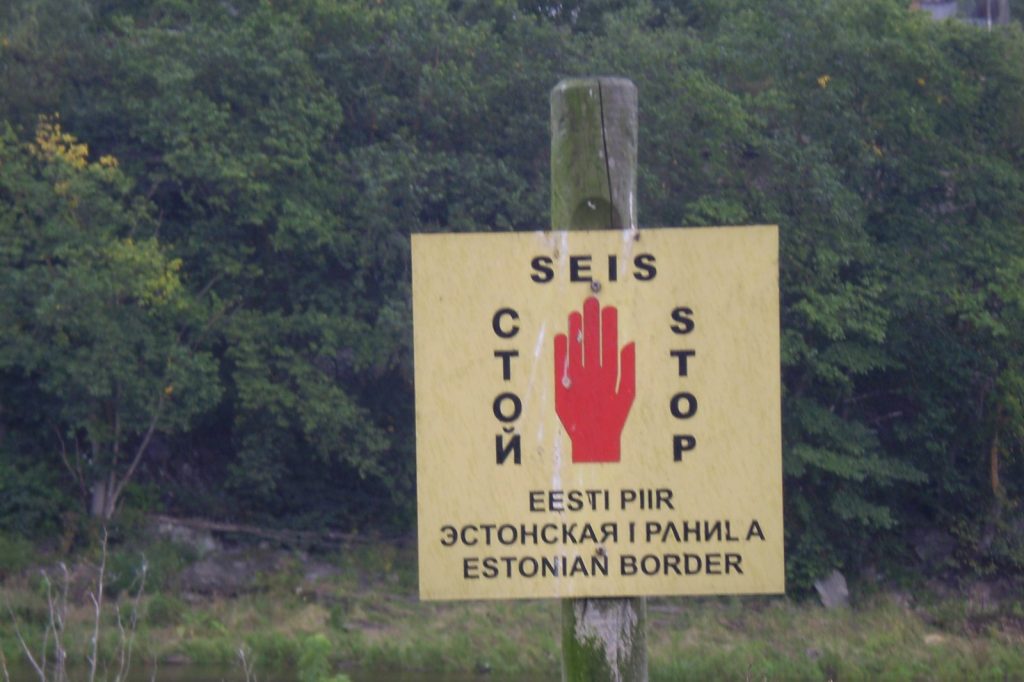
TALLINN, July 6 — Against this backdrop of shifting security guarantees, the 294-kilometer land border Estonia shares with Russia has once again become the focus of anxious diplomatic attention. The frontier, a legacy of the 1920 Tartu Peace Treaty, has been a source of tension since Estonia regained independence in 1991. In the corridors of power in Tallinn, Estonian officials are seeking reassurances from NATO allies about continued security commitments.
This follows the U.S. troop withdrawal announcement, which has prompted immediate concern in a nation that remembers Soviet occupation from 1940 to 1991—a period marked by deportations and repression. What is at stake is the credibility of NATO’s eastern flank.
Russia’s 2014 annexation of Crimea and its 2022 full-scale invasion of Ukraine heightened Estonian fears of potential aggression. The wider picture is one of a small Baltic nation that has consistently advocated for a strong NATO presence on its soil as a deterrent. Estonia spends over 2% of its GDP on defense, meeting NATO’s spending guideline.
This commitment underscores the seriousness with which Tallinn views the threat from its eastern neighbor. The U.S. troop withdrawal announcement has sent ripples through the alliance.
Estonian officials are now seeking reassurances from NATO allies about continued security commitments. The border itself remains a physical reminder of historical grievances and contemporary anxieties. Against this backdrop, the coming weeks will be critical.
Estonia’s defense spending, already above the NATO target, signals a willingness to shoulder its share of the burden. But the question of whether collective security guarantees will hold remains open. The 294-kilometer border is more than a line on a map.
It is a scar from a history of occupation and a frontier of democratic Europe’s defense. What is at stake now is whether the alliance can maintain the unity that has defined its posture since 2022.
Estonian officials are seeking reassurances from NATO allies about continued security commitments. The U.S. troop withdrawal announcement has prompted this urgent diplomatic effort. The coming weeks will test the strength of the transatlantic bond.




