
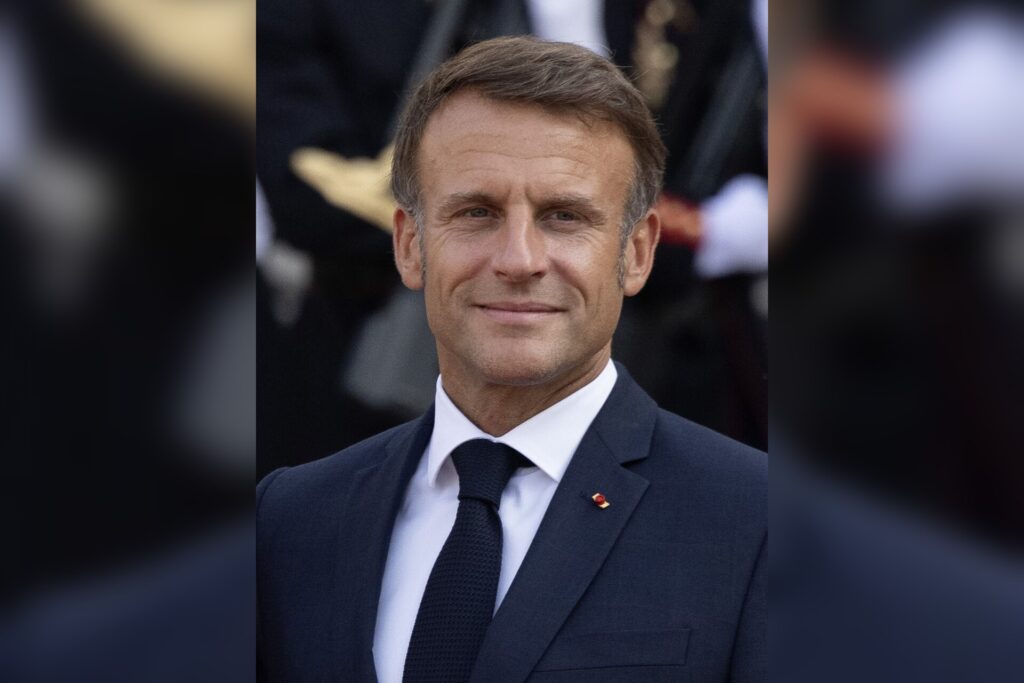
PARIS, September 11 — President Emmanuel Macron has called on the European Union to take political leadership in space policy, according to reporting by Anadolu Ajansı. The intervention, whose date, venue and precise wording the reporting does not specify, places space firmly within the wider argument over European strategic autonomy — the effort to strengthen Europe’s capacity to act independently in strategic domains. Space is one such domain, and the EU has been building its presence in it for years.
Galileo, the bloc’s global satellite navigation system, and Copernicus, its Earth observation programme, are the flagship assets. The EU Agency for the Space Programme (EUSPA) oversees their operational management, and the EU has adopted its own space strategy.
What Macron’s call touches, notably, is the awkward triangle underneath all of it. France is a leading European space power, with the National Centre for Space Studies (CNES) as its national agency. The European Space Agency is a separate intergovernmental organisation.
Its member states include France, and it has its headquarters in Paris, but it is not an EU body. For all the noise about Brussels and launchers, the salient point is that two different clubs share one continent and one launch site.
The reporting does not detail any new funding, legislative proposal or timetable, and no figures, deadlines or commitments should be read into it. The call is best understood as a political signal about the direction of European space governance rather than a decision already taken.
A question of who leads
Macron’s argument sits inside a broader European conversation about how much of its own security and industrial base the bloc should control. Space is among the more expensive places to make that argument, and among the harder ones to make quickly, given that national capitals, the EU institutions and ESA all hold pieces of the puzzle. Nothing in the reporting suggests the institutional question has been settled.
It has, rather, been raised from the top.
What to watch
Whether the call produces anything concrete — a proposal, a mandate, a shift in how the EU and ESA divide their work — is the next test. Until then, it remains a signal, and signals in Brussels have a long half-life.




