
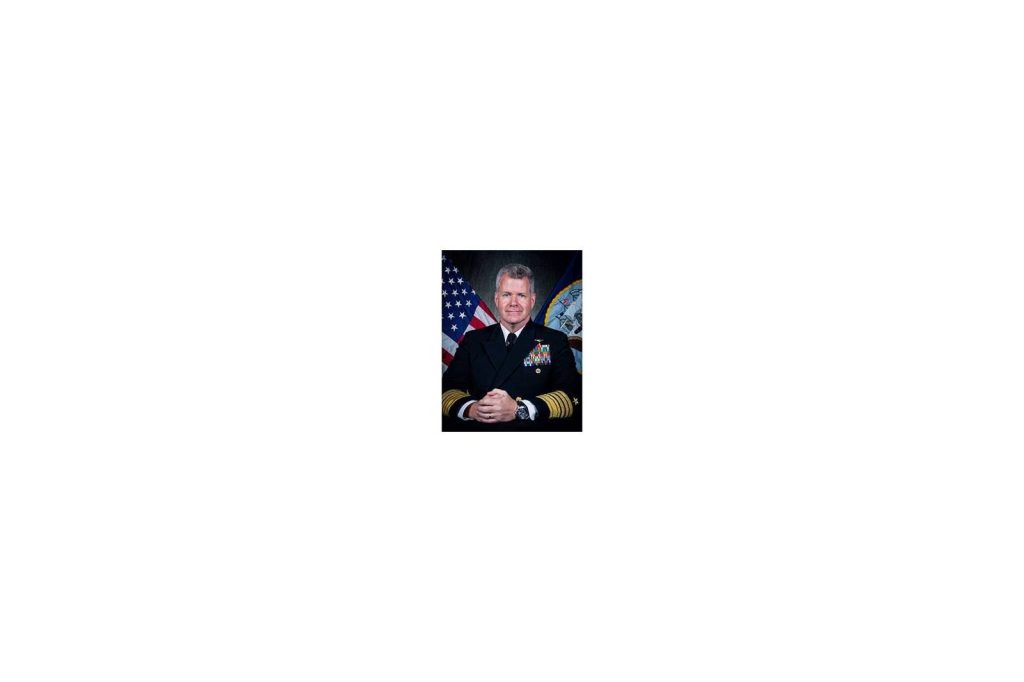
MANAMA, July 7 — For the families of merchant mariners transiting the Persian Gulf, the past two years have been a time of quiet dread. A knock on the door, a delayed radio call, the news that a ship had been seized or struck. Behind the U.S. military’s response to those threats stands a single commander: Admiral Samuel Paparo.
Paparo leads the U.S. Fifth Fleet and the Combined Maritime Forces from their base in Bahrain. He took command in May 2021, a handover that placed him at the center of the world’s most volatile shipping lanes.
The Strait of Hormuz is where his focus has been. He has emphasized the importance of maintaining freedom of navigation in those waters. For the crews on the tankers and container ships, that is not an abstraction.
It is the difference between a safe voyage and a frantic mayday call.
From the Pentagon to the Gulf
Before Bahrain, Paparo served as director of the Joint Staff’s Strategic Plans and Policy Directorate. That is the Pentagon office where long-range thinking meets hard choices. He brought that planning instinct to the Fifth Fleet, where the human side of naval power is impossible to ignore.
When Iran attacked commercial shipping in May 2023, Paparo’s command became the critical node for the U.S. response. The attacks were not a distant headline.
They were a direct challenge to the men and women who move the world’s oil and goods through the Gulf of Oman and the Red Sea. For the families of those sailors, what this means is a commander who understands the stakes. Paparo has not just overseen patrols and escorts.
He has coordinated the broader effort to keep the sea lanes open, a task that requires both warships and diplomacy.
The human side of freedom of navigation
Behind the breakthrough in naval coordination that Paparo has led is a simple reality: every ship that passes through the Strait of Hormuz carries a crew with families waiting at home. The admiral’s emphasis on freedom of navigation is, at its core, a commitment to their safety. The Combined Maritime Forces under his command bring together dozens of nations.
That coalition is the human side of the response — navies and coast guards working together because no single country can patrol every mile of the Gulf. What to watch next is whether the pressure on commercial shipping eases.
Paparo’s leadership remains central to that question. For now, the Fifth Fleet continues its watch, and the Strait of Hormuz remains open. For the families of the mariners who sail it, that is the news that matters most.




