
In a shift that analysts say would have been improbable two years ago, Iran and Israel have engaged in direct military strikes against each other three times within a six-month period. The longstanding shadow conflict has emerged into open confrontation, fundamentally altering regional dynamics.
The escalation began on April 1 with an attack on an Iranian diplomatic facility in Damascus, which resulted in the deaths of senior Iranian military commanders. Iran responded thirteen days later by seizing the Israeli-affiliated vessel MSC Aries and launching strikes into Israeli territory. Israel retaliated on April 19 with operations inside Iran and Syria. At the time, observers characterized the Israeli action as restrained, suggesting a desire to de-escalate tensions.
However, the summer months saw further escalation. On July 31, Hamas political leader Ismail Haniyeh was killed in Tehran. Just hours earlier, a strike in Beirut’s Haret Hreik district killed Hezbollah commander Fuad Shukr. These targeted killings in two separate capitals delivered a clear message. The operation against Haniyeh on Iranian soil challenged Tehran’s capacity to safeguard its allies, while the strike against Shukr in Lebanon directly undermined Hezbollah’s security posture. Both organizations are central components of Iran’s Axis of Resistance, a network of allied groups cultivated over decades.
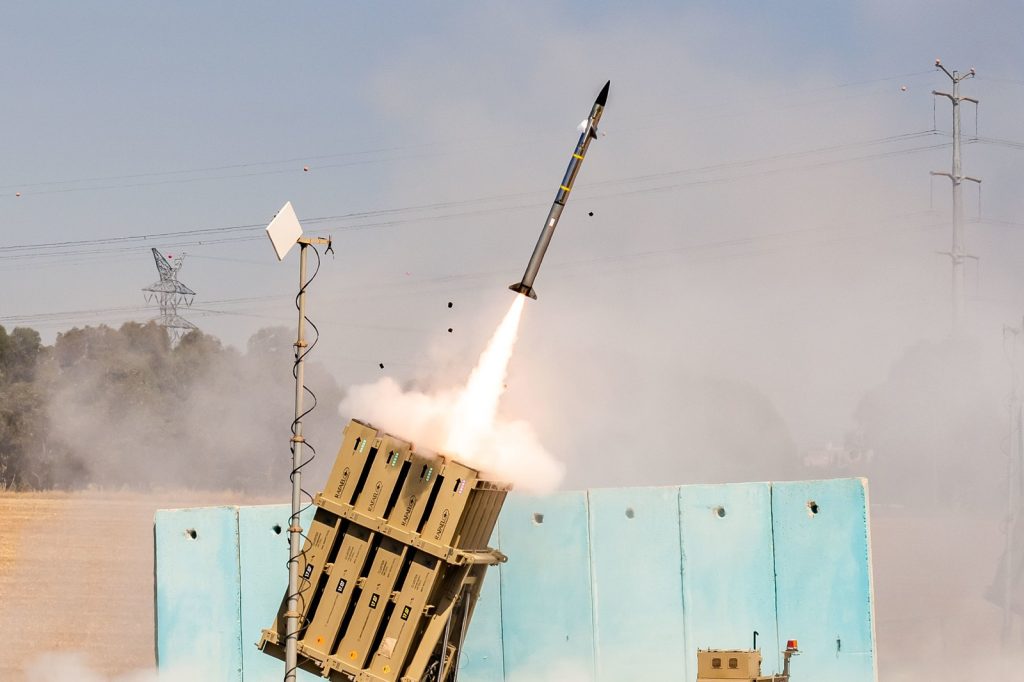
The international response has highlighted the broadening scope of the conflict. The United States, United Kingdom, France, and Jordan participated in intercepting Iranian drones. When a Jordanian pilot engages an Iranian drone over Jordanian territory, it signals a fundamental shift in regional alignments. The conflict has transitioned from proxy warfare to direct confrontation, with neighboring states actively choosing sides.
Iran launched a missile barrage toward Israel on October 1, and Israel responded on October 26. This pattern of escalation and retaliation has become established, with each exchange increasing the stakes and complicating containment efforts.
The consequences extend beyond the immediate combatants. Iran’s Axis of Resistance has sustained significant losses with the deaths of Haniyeh, Shukr, and senior Iranian officials. Meanwhile, Iran has demonstrated a willingness to strike Israel directly, a step it previously avoided. This development forces Gulf states to reassess their security calculations regarding a potential full-scale Iran-Israel conflict. Shipping routes near the Strait of Hormuz, critical for global oil supplies, now represent a potential flashpoint.
The trajectory remains uncertain, but the pattern is concerning. Early strikes were described as limited, but subsequent assassinations and exchanges have grown in intensity. While international forces have demonstrated capability in intercepting aerial threats, they have not addressed the underlying dynamic driving the escalation. The previous rules of engagement have been abandoned, and no new framework has emerged to replace them.




