
MOSCOW, July 14 — A quiet but consequential shift is reshaping one of the world’s most critical energy supply chains. Russia, the third-largest oil producer globally, is watching its refining capacity erode under a sustained campaign of Ukrainian strikes that have now damaged at least 15 refineries since 2022. The numbers tell a stark story.
According to Ukrainian military estimates, those strikes have shaved 10-15% off Russia’s total refining capacity. The country operates 40 major refineries with a combined capacity of 6.5 million barrels per day, according to the International Energy Agency.
Losing a tenth or more of that is not a minor disruption — it’s a structural blow.
A single plant, a major hit
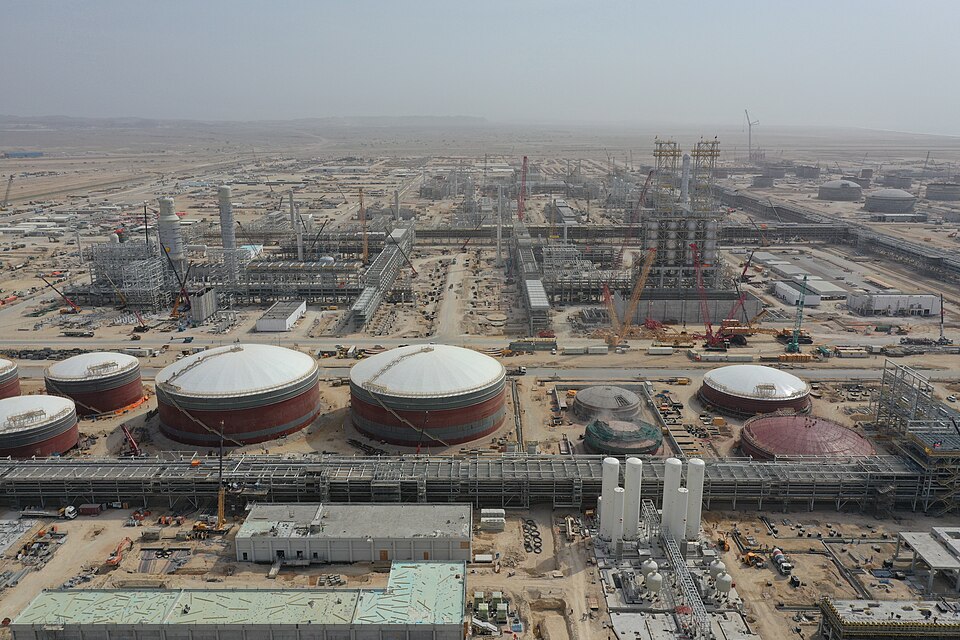
Take the Lukoil-Nizhegorodnefteorgsintez plant in Kstovo, one of the country’s largest facilities. It processes 17 million tons of crude oil annually — about 340,000 barrels per day. On January 29, 2025, a Ukrainian strike hit the plant, sparking a fire that disrupted operations for days.
Each successful strike costs Russia millions in repair costs and lost production. The cumulative effect is visible in the export data.
The IEA reported that Russian oil product exports dropped 7% in 2024 compared to 2023. That’s a direct consequence of reduced refining capacity, not just market dynamics.
The revenue picture
The financial toll is equally clear. Russia’s oil export revenues fell from $180 billion in 2022 to $150 billion in 2023, partly due to price caps imposed by the G7 and EU. By 2024, revenues had dropped further to an estimated $130 billion.
The price caps — a coordinated Western effort to limit Moscow’s earnings from its most valuable export — are squeezing alongside the physical damage from strikes. Russia still produces an average of 10.5 million barrels per day, according to the IEA, keeping it in the top tier of global producers.
But the refining bottleneck means more crude is flowing out while less finished product reaches markets. That’s a shift in the kind of oil revenue Russia collects — and at what price.
What to watch next
The trend underneath all this is a slow, grinding reduction in Russia’s ability to turn its crude into cash. Each refinery hit compounds the last. Repair costs pile up.
Export volumes shrink. The G7 price cap structure, while not watertight, adds another layer of pressure.
Watch this space. If the strike campaign continues at its current pace, Russia’s refining capacity could face further erosion. The energy landscape is shifting — and Moscow is scrambling to adjust.




