
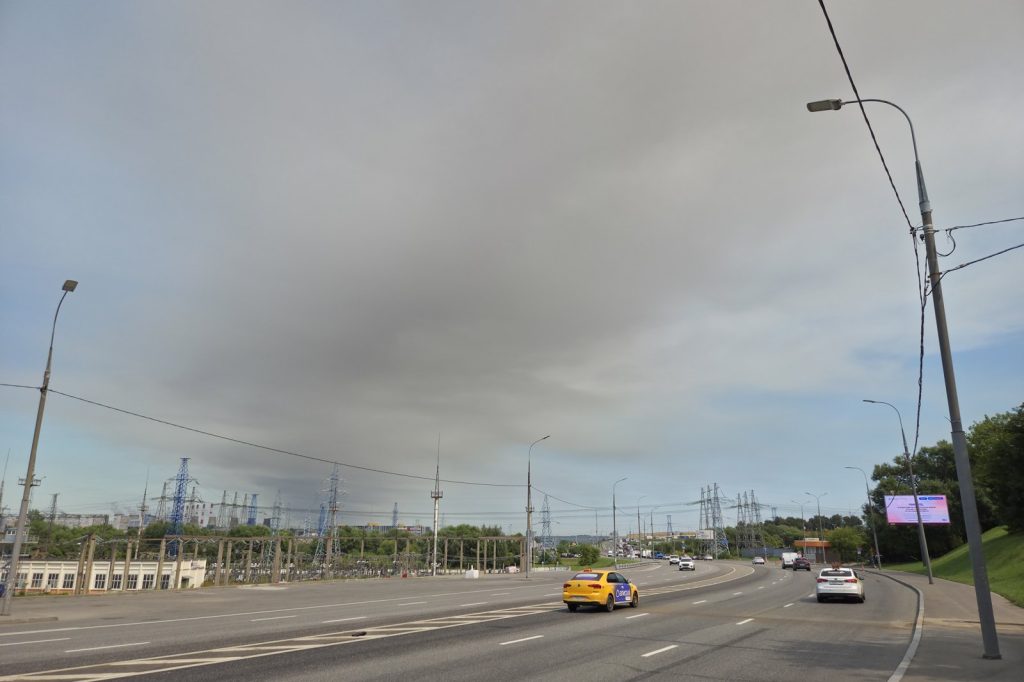
MOSCOW, July 13 — The shift is unmistakable. What began as a symbolic strike on the Kremlin in May 2023 has evolved into a persistent campaign of drone incursions across Moscow Oblast, the densely populated region surrounding the Russian capital. For over three years, Ukrainian forces have been systematically bringing the war to Russian soil, targeting a region that is home to more than 8 million people and serves as a critical hub for transportation, industry, and military command.
The first major incident came on May 3, 2023, when two drones struck the Kremlin itself, causing minor damage but sending a clear signal. Since then, dozens of drone incursions have been reported.
Russian authorities claim to intercept most of them, but the frequency has forced a dramatic response. Moscow Oblast now hosts increased air defense deployments, including advanced S-400 systems, and temporary flight restrictions at Moscow airports have become routine.
Strategic Targets Under Pressure
The region is not just a residential sprawl. It houses key military and government sites, including the Russian Ministry of Defense headquarters in Moscow. On March 19, 2025, explosions were reported in Moscow Oblast, though the specific location and target remain unconfirmed.
The pattern points to a deliberate Ukrainian strategy: pressure the Kremlin by threatening assets close to the heart of Russian power. What’s changing is the operational tempo.
These are no longer one-off demonstrations. The repeated drone incidents have forced the Russian military to divert significant resources to defend the capital region, pulling air defense systems and personnel away from front-line positions in Ukraine. Watch this space for how this defensive posture reshapes Russia’s broader military calculus.
Air Defenses and Airport Disruptions
The S-400 deployments across Moscow Oblast represent a major commitment of Russia’s most capable surface-to-air missile systems. These systems are now tasked with countering smaller, lower-flying drones — a mission they were not optimized for. The trend underneath is a tactical adaptation born of necessity, as Ukrainian drone operators exploit gaps in traditional air defense coverage.
Temporary flight restrictions at Moscow’s airports have become a recurring feature of life in the capital. Each drone incursion triggers a cascade of delays and diversions, disrupting travel for millions.
The economic and psychological impact on a region of over 8 million people is substantial, even if casualty figures remain unconfirmed.
What to Watch Next
The campaign is part of Ukraine’s broader effort to project power deep inside Russian territory and apply direct pressure on the Kremlin. With Moscow Oblast serving as both a symbolic and strategic target, the question is whether Ukraine can sustain this tempo and whether Russia can adapt its defenses fast enough. The trend is clear: drone warfare has fundamentally altered the geography of this conflict, and the skies over Moscow are no longer safe.




