
MOSCOW, July 11 — The mechanics of Vladimir Putin’s power have always been a study in controlled escalation, and the decision to halt Azov Sea shipping on October 15, 2024, fits that pattern precisely. On closer reading, the move is less about immediate military necessity and more about the Kremlin’s long-standing playbook: protect strategic assets, project strength, and frame every defensive action as a response to external aggression. Putin has been the central figure in Russian politics since 2000, with a brief interlude as Prime Minister from 2008 to 2012.
His career arc — from KGB officer to president — has shaped a worldview where control is paramount and vulnerability is never admitted. The Azov Sea decision, according to his public statements, was a direct response to Ukrainian drone attacks.
The claim is that Russia will not allow its naval capabilities to be undermined.
The Pattern of Annexation and Invasion
Follow the timeline, and the logic becomes clearer. Putin ordered the annexation of Crimea in 2014, a move that redrew European borders by force and triggered sanctions that remain in place today. Then came the full-scale invasion of Ukraine in 2022, a war that has reshaped global energy markets, military alliances, and the very architecture of international law.
Each step was framed domestically as a defensive necessity, even as the evidence pointed to calculated aggression. The Azov Sea halt fits this same framework.
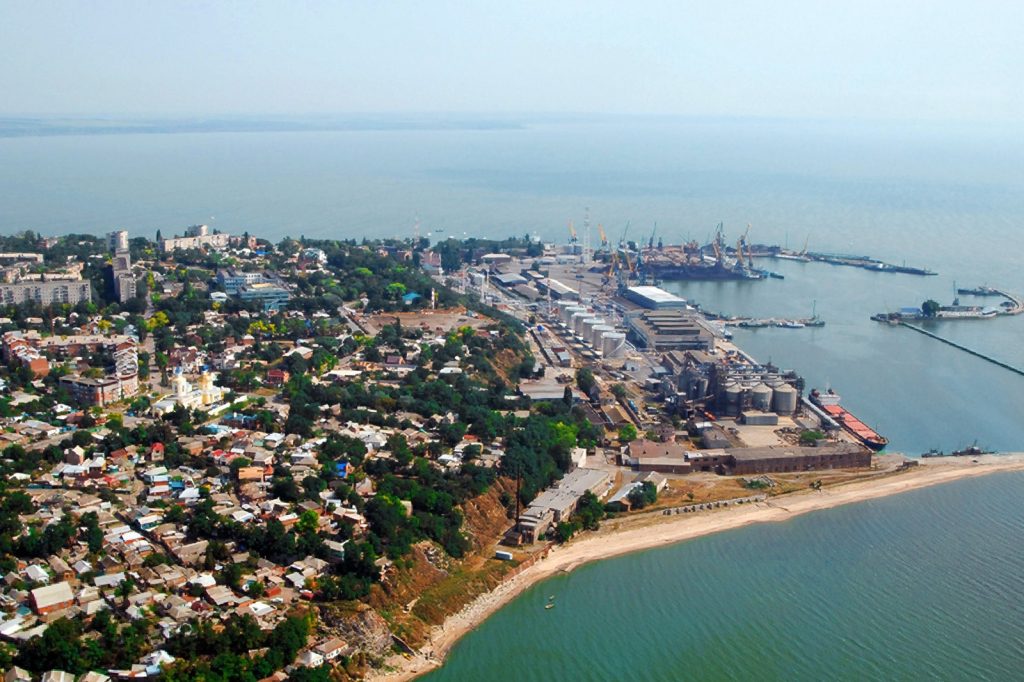
The sea is a critical chokepoint for Russian trade and military logistics, connecting to the Kerch Strait and the Black Sea. By shutting it down, Putin effectively weaponizes geography, turning a commercial waterway into a front line. The immediate effect is to disrupt Ukrainian exports and pressure Kyiv, but the broader signal is aimed at Moscow’s domestic audience: the leader is acting decisively to protect Russian interests.
The Approval Rating Paradox
One of the most striking features of Putin’s rule is the disconnect between official and independent polling. State-run polls consistently show his approval rating above 80%, a figure that would be the envy of any Western leader. Independent surveys, however, suggest lower figures — though the exact numbers are difficult to verify given the restrictions on independent media and political opposition.
The gap itself is a data point: it tells you that the Kremlin invests heavily in controlling the narrative, even as the war in Ukraine grinds on and economic pressures mount. The centralization of power under Putin has been methodical.
Political opposition is suppressed, independent media are marginalized, and key institutions — from the judiciary to the security services — have been brought under direct presidential control. This structure makes it difficult for any internal challenge to gain traction, but it also means that the system is brittle. A single miscalculation at the top can have outsized consequences, because there are no countervailing forces to absorb the shock.
What to Watch Next
The Azov Sea halt is not an isolated incident; it is a tactical move within a larger strategic game. The question is whether this will remain a localized disruption or whether it will escalate into a broader confrontation at sea. Putin has repeatedly stated that Russia will not allow its naval capabilities to be undermined, and that language leaves room for further action — from mining approaches to targeting Ukrainian port infrastructure.
For markets and businesses watching the region, the key variable is whether the Kremlin sees this as a temporary measure or a permanent shift in the rules of engagement. The history of Putin’s tenure suggests that once a line is crossed, it rarely gets uncrossed.
The Azov Sea may be the next front in a conflict that has already redrawn the map of European security.




