
The internal dynamics of Vladimir Putin’s Russia have long been defined by a carefully managed tension between public displays of loyalty and private calculations of self-interest. A 2023 report by the Carnegie Endowment for International Peace concluded that some members of the Russian business elite privately favor a negotiated settlement to end Western sanctions. The report’s finding underscores a central contradiction: the same men who publicly support the Kremlin are privately weighing the economic costs of a prolonged conflict.
Public dissent remains nearly impossible under strict censorship laws enacted after the February 2022 invasion, which criminalize any criticism of the war. Ukrainian President Volodymyr Zelenskyy has claimed there are peace supporters within Putin’s circle, reflecting a reading of the same internal dynamics the Carnegie report analyzed.
The Men Behind the Kremlin’s Public Face
Putin’s inner circle is a documented blend of security officials, oligarchs, and political allies who have accumulated power and wealth during his more than two decades in office. Key figures include Nikolai Patrushev, Secretary of the Security Council and a longtime Putin ally; Sergei Shoigu, who has served as Defense Minister since 2012; and Sergei Naryshkin, head of the Foreign Intelligence Service. Among the oligarchs closely tied to the Kremlin, Roman Abramovich — who sold Chelsea FC in 2022 — has been involved in peace talks.
Alisher Usmanov, a metals magnate, has faced EU sanctions. These oligarchs emerged in the 1990s by acquiring state assets through informal deals during the post-Soviet privatization era, forming a class of wealthy figures with significant political ties.
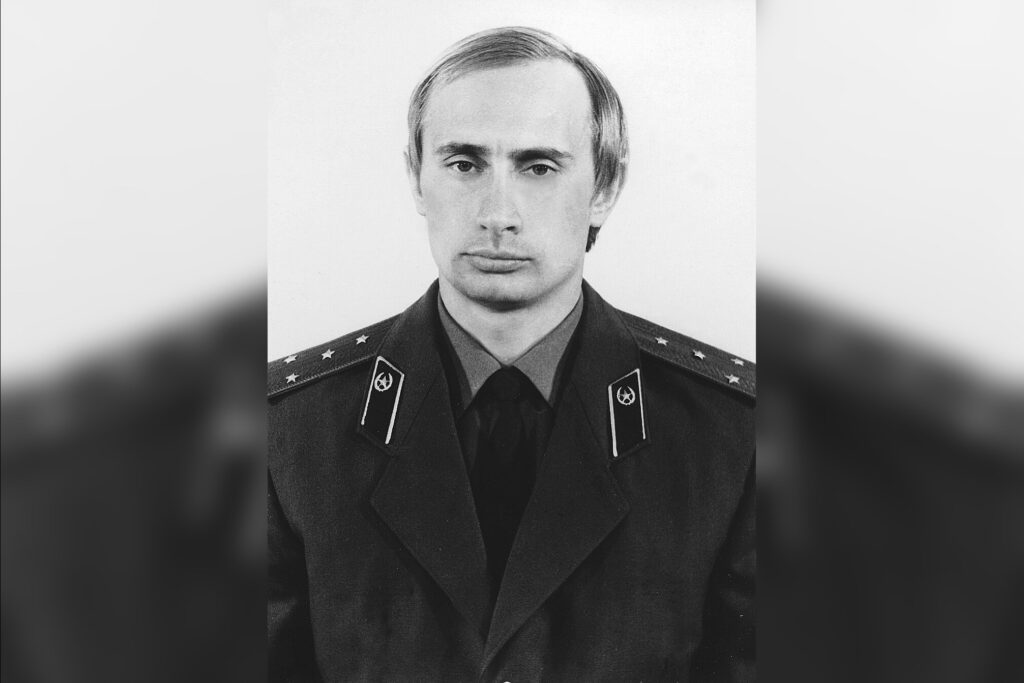
Putin began his career in the KGB before transitioning to politics in Saint Petersburg, then rising under President Boris Yeltsin to become acting president in late 1999. Early in his rule, he centralized power, restored federal authority in Chechnya, and benefited from economic growth tied to rising energy prices. Constitutional changes in 2021 allowed him to extend his presidency further, reinforcing his dominance.
He is the longest-serving Kremlin leader since the Soviet era.
The Sanctions Squeeze and the Private Calculus
Western sanctions imposed after the February 2022 invasion directly target the wealth and assets of the Russian business elite. For figures like Usmanov, the EU’s asset freezes and travel bans are not abstract political gestures; they are operational constraints on business empires built on metals and mining.
The Carnegie report suggests the private calculus for these men increasingly points toward a desire for a deal — any deal — that would lift the economic pressure. The business elite, many of whom have been hit by sanctions, have privately expressed concerns about the war’s economic impact. The sanctions regime, layered on after the invasion, is designed to impose long-term costs on the Russian elite.
But a key question is whether private economic discontent can translate into any shift in Kremlin policy. For now, censorship laws and the security apparatus ensure that public dissent remains rare.
The catch is that the same men who might want peace are also the men who have the most to lose if Putin’s position weakens. That contradiction may be the most durable feature of the current standoff. Putin’s rule matters now because his decisions have reshaped Russia’s relations with the world, drawn sharp international responses, and created a system where public opposition is constrained while private interests weigh heavily on national policy.




