
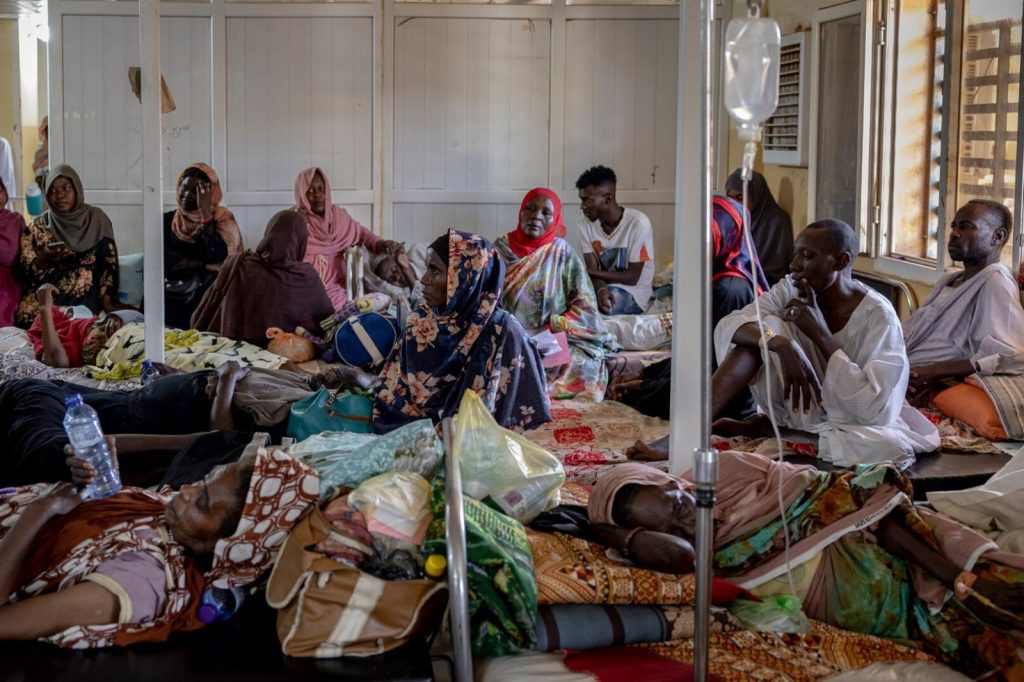
The civil war in Sudan, which began on April 15, 2023, has been marked by widespread war crimes committed by both the Sudanese Armed Forces (SAF) and the Rapid Support Forces (RSF). The conflict has resulted in heavy indiscriminate shelling, gunfire, and airstrikes on markets and populated residential neighborhoods, causing a significant number of fatalities. As the situation continues to deteriorate, international organizations and governments have raised concerns about the humanitarian impact of the conflict.
The RSF has been singled out by Human Rights Watch, as well as the United Kingdom and United States governments, for committing genocide, ethnic cleansing, and crimes against humanity. These allegations are based on reports of targeted attacks on non-Arab populations, including the Masalit tribe.
The conflict has also seen the targeting of hospitals, with aerial bombings and artillery fire damaging medical facilities and looting of medical supplies. This has severely impacted Sudan’s healthcare system, disrupting medical services and leaving many hospitals in conflict-affected states out of service. The United Nations has declared Sudan the most dangerous country for humanitarian workers, after South Sudan.
This designation highlights the risks faced by aid workers and the challenges of delivering humanitarian assistance in the conflict zone. The situation is further complicated by the lack of access to affected areas, making it difficult to assess the full extent of the humanitarian needs.
As the conflict continues, the international community is likely to face significant challenges in responding to the crisis. In the town of Geneina, West Darfur, there have been reports of massacres against the Masalit tribe. The RSF and Arab militias have been accused of killing thousands of non-Arab people, with one report suggesting that over 15,000 people may have been killed.
The conflict has also led to significant displacement, with many residents fleeing their homes to escape the violence. The town of Geneina has been particularly affected, with reports suggesting that up to 80% of its residents have fled. The conflict in Sudan has significant regional and international implications.
The humanitarian crisis is likely to have far-reaching consequences, including the potential for widespread famine and disease. The international community is likely to face significant pressure to respond to the crisis, including providing humanitarian assistance and supporting efforts to protect civilians.
As the situation continues to evolve, it is likely that the conflict will remain a major focus of international attention and concern. Looking ahead, the situation in Sudan is likely to remain volatile and unpredictable. The conflict shows no signs of abating, and the humanitarian needs are likely to continue to grow.
The international community will need to remain vigilant and responsive to the crisis, working to support efforts to protect civilians and deliver humanitarian assistance. As the situation continues to unfold, it will be important to monitor developments closely and to be prepared to respond to emerging needs and challenges.
The coming weeks and months will be critical in determining the trajectory of the conflict and the humanitarian response.




