
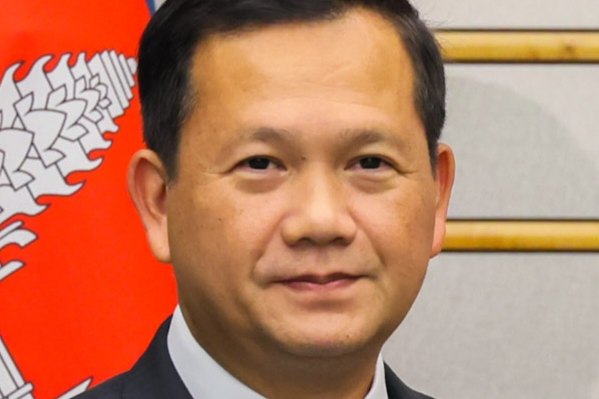
On 5 September 2024, a crowd of opposition activists gathered in Phnom Penh to demonstrate against the ruling Cambodian People’s Party (CPP) and to demand reforms. The demonstration, organized by members of the Cambodia National Rescue Party (CNRP) and other dissenting groups, marked the first sizable public test for Hun Manet, who is being positioned to succeed his father, Prime Minister Hun Sen, as the nation’s leader. Police forces surrounded the protest site in large numbers.
Authorities deployed tear‑gas canisters and batons to disperse participants, and at least ten demonstrators were taken into custody, although the exact tally remains unclear. The protesters called for the release of opposition figure Kem Sokha, who has been confined to house arrest since 2017, and for broader political reforms that would expand freedoms of speech and assembly.
Hun Manet, currently the commander of the Royal Cambodian Armed Forces, has risen through the CPP hierarchy and is widely viewed as the designated heir to Hun Sen, who has dominated Cambodian politics since 1985. Hun Sen’s tenure has been characterized by tight control over state institutions and accusations of human‑rights violations and suppression of dissent. Human Rights Watch officials commented on the unfolding events.
John C. Sifton, the organization’s Asia advocacy director, said that the Cambodian government must safeguard citizens’ rights, including free expression and the right to gather peacefully.
Deputy Asia director Phil Robertson added that the police’s use of force signaled a reluctance by the authorities to engage with public concerns. The international reaction has been similarly vigilant. The United States State Department issued a statement urging the Cambodian government to protect civil liberties and to strengthen democratic institutions.
The European Union echoed these concerns; EU foreign policy chief Josep Borrell described the situation as “deeply concerning” and called on Phnom Penh to respect the rights of its people. Opposition voices also appealed for external pressure.
Kem Monovithya, daughter of Kem Sokha, stressed that the global community must act to ensure the protection of all Cambodians’ rights. As Hun Manet prepares to assume the premiership, observers are divided on what his leadership might entail. Some analysts fear a continuation of his father’s authoritarian approach, while others hope the new generation could introduce reforms that would open political space. The September 5 protest, therefore, serves as an early barometer of how the future prime minister might respond to dissent and whether the CPP will adjust its governance style.
The episode underscores Cambodia’s position at a crossroads. The decisions made by Hun Manet and the ruling party will shape the country’s political trajectory and determine the extent to which democratic norms can be reinforced or eroded.
With the world watching closely, the handling of this protest will likely influence both domestic stability and Cambodia’s international relationships for years to come.




