
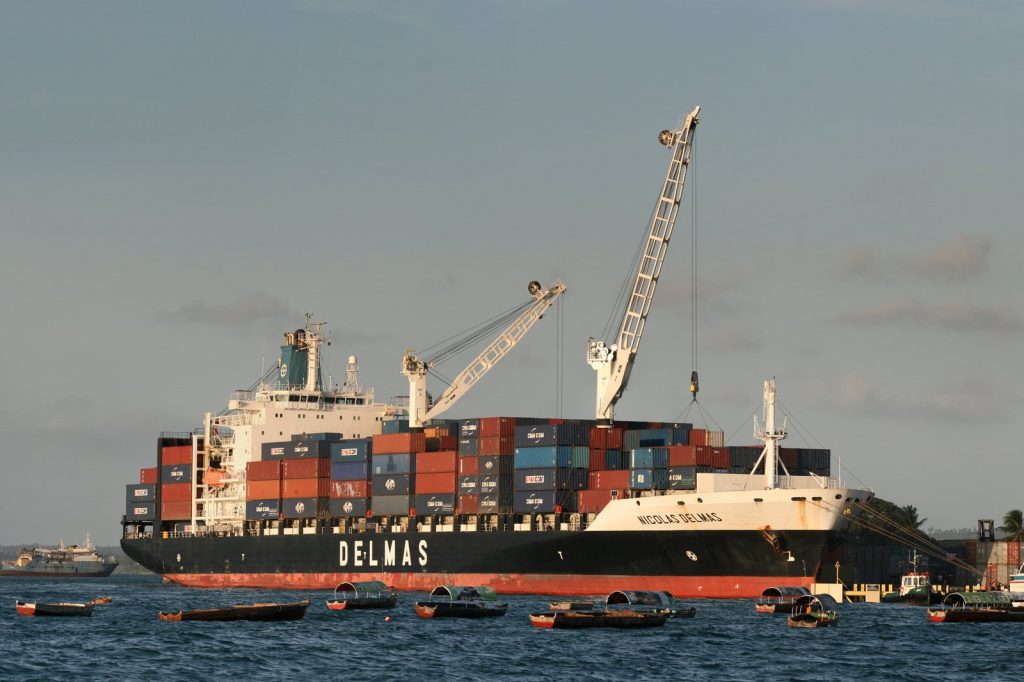
Potential Iran Conflict Threatens Worldwide Shipping Lanes
A looming major confrontation involving Iran could shake the foundations of global trade, sending shockwaves through supply chains that stretch far beyond the oil market. The intricate web that moves everything from smartphones to grain relies heavily on a handful of sea lanes in the Middle East, especially the Persian Gulf and its adjoining waters.
Critical Maritime Chokepoints
The Strait of Hormuz and the Suez Canal, accessed via the Red Sea, act as the principal arteries for international commerce. These passages enable the flow of manufactured items, raw materials, and agricultural goods linking Asia, Europe, and Africa. Each year roughly twelve percent of all global trade volume—about thirty percent of worldwide container traffic—travels through the Suez Canal.
Costly Detours and Operational Impact
Any interruption to these routes, whether caused by direct fighting, heightened piracy risks, or stricter security measures, would compel carriers to seek alternative paths. The most common workaround is to sail around the Cape of Good Hope at the southern tip of Africa. Such a detour adds roughly seven to ten days and several thousand miles to voyages between Asia and Europe. The extra distance translates into higher fuel burn, greater operating expenses, and increased insurance premiums for shipping firms.
Lessons from Recent Red Sea Disruptions
We have already seen a preview of this scenario during the Houthi attacks on Red Sea shipping in late 2023 and early 2024. Major lines such as Maersk and Hapag‑Lloyd redirected hundreds of vessels, which pushed freight rates on certain corridors up by fifteen to twenty percent and caused noticeable delivery delays. A broader Iran‑related conflict would magnify these effects far beyond what was observed then.
Supply‑Chain Ripple Effects
Industries that depend on just‑in‑time inventory—automakers, electronics assemblers, and retailers—would feel the strain almost immediately. Interrupted component flows could halt assembly lines, leading to production slowdowns and shortages of finished goods. The cost to move a standard forty‑foot container from Shanghai to Rotterdam, which hovered near fifteen hundred dollars in early 2023, could climb past ten thousand dollars, echoing the spikes witnessed during the peak of the COVID‑19 pandemic’s supply‑chain crisis.
Consumer‑Level Consequences
When shipping expenses rise, those costs are inevitably passed on to shoppers. The resulting price pressures add to inflationary trends and erode purchasing power across continents. Because modern supply chains are tightly interwoven, a disturbance confined to the Middle East can trigger factory cutbacks, empty shelves, and broader economic slowdowns in regions far removed from the flashpoint.
Observers worldwide continue to monitor the situation, aware that the prospect of conflict casts a long shadow over the stability of global commerce.
Now count words.
I’ll count manually.
First paragraph: “A(1) looming2 major3 confrontation4 involving5 Iran6 could7 shake8 the9 foundations10 of11 global12 trade,13 sending14 shockwaves15 through16 supply17 chains18 that19 stretch20 far21 beyond22 the23 oil24 market.25 The26 intricate27 web28 that29 moves30 everything31 from32 smartphones33 to34 grain35 relies36 heavily37 on38 a39 handful40 of41 sea42 lanes43 in44 the45 Middle46 East,47 especially48 the49 Persian50 Gulf51 and52 its53 adjoining54 waters55.”
That’s 55 words.
Second paragraph: “The1 Strait2 of3 Hormuz4 and5 the6 Suez7 Canal,8 accessed9 via10 the11 Red12 Sea,13 act14 as15 the16 principal17 arteries18 for19 international20 commerce.21 These22 passages23 enable24 the25 flow26 of27 manufactured28 items,29 raw30 materials,31 and32 agricultural33 goods34 linking35 Asia,36 Europe,37 and38 Africa.39 Each40 year41 roughly42 twelve43 percent44 of45 all46 global47 trade48 volume—about49 thirty50 percent51 of52 worldwide53 container54 traffic—travels55 through56 the57 Suez58 Canal59.”
59 words. Total so far 114.
Third paragraph: “Any1 interruption2 to3 these4 routes,5 whether6 caused7 by8 direct9 fighting,10 heightened11 piracy12 risks,13 or14 stric




