
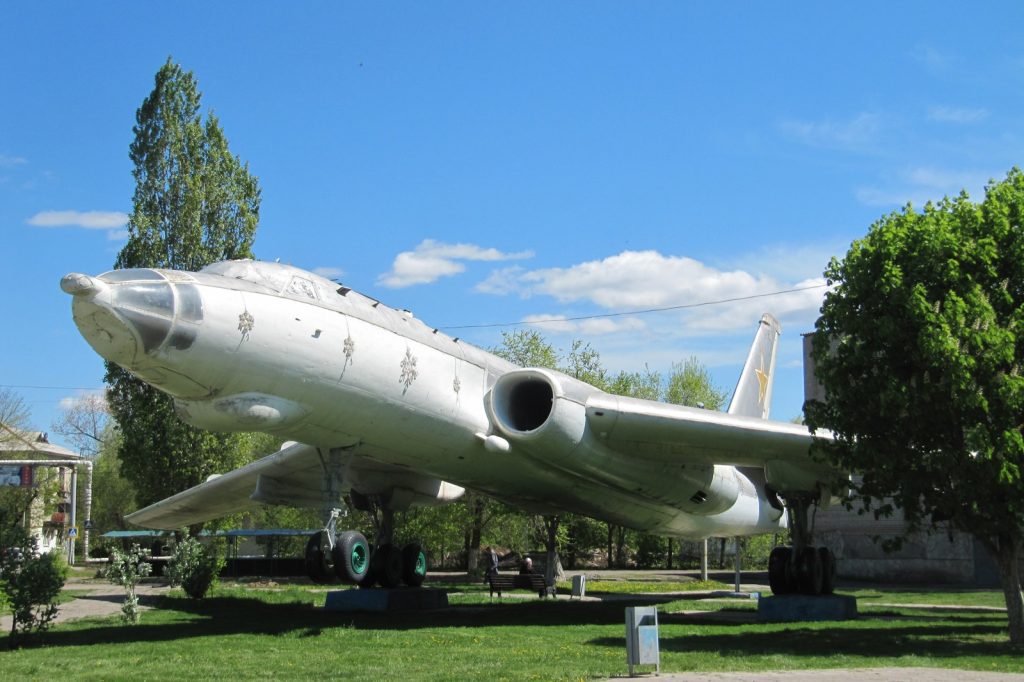
RYAZAN, July 25 — Dyagilevo air base, the home of the 43rd Center for Combat Employment and Retraining of Long-Range Aviation, operates as a training hub for Russia’s Tu-22M3 bomber crews. The facility, located near Ryazan at coordinates 54°38′N 39°34′E, was previously struck on December 5, 2022. No new incident at the base has been reported in the period since, but its role within the broader strategic bomber network remains a point of focus for Western defense analysts.
Russia maintains a geographic dispersal of its bomber fleet across vast territory, a posture designed to ensure that a single attack cannot eliminate the entire force. The most critical western base is Engels-2 in Saratov Oblast, approximately 700 km from the Ukrainian border, housing the 22nd Guards Heavy Bomber Aviation Division with Tu-95MS and Tu-160 aircraft.
Engels is the closest major strategic bomber base to NATO territory. To the east, Ukrainka air base in Amur Oblast and Belaya air base near Irkutsk host additional Tu-95MS and Tu-22M3 bombers. The concentration of the most capable aircraft—Tu-160 and modernized Tu-95MSM—at Engels makes it a critical node.
The International Institute for Strategic Studies details that Russia deploys its strategic bombers in three regiments: two at Engels (121st Guards TBAP with Tu-160, and 184th Guards TBAP with Tu-95MS) and one at Ukrainka (200th Guards TBAP with Tu-95MS). Other bases, such as Olenya in Murmansk Oblast, serve as forward deployment points for exercises or missions in the Atlantic.
Dzhida and other facilities are used for training. Engels itself has two runways and its location along the Volga River provides water access for supply transport. Dyagilevo’s function as a training center for Tu-22M3 crews means that any disruption there would directly affect the pipeline of bomber pilots and maintainers.
Yet the base does not host front-line combat aircraft in the same numbers as Engels or Ukrainka. The December 2022 attack demonstrated that the facility is within range of Ukrainian strike capabilities, but its secondary role limits the immediate operational impact compared to a strike on a main operating base. Any damage at Engels, by contrast, could force Russia to relocate bombers to secondary bases in the Urals or Siberia, increasing transit times to target zones and reducing sortie rates.
The geographic dispersion of the fleet—from the Far East to the western border—complicates any adversary’s targeting strategy, but the reliance on a single critical node remains a vulnerability. During the Cold War, Soviet Long-Range Aviation dispersed bombers to dozens of forward operating bases; by 2023 the number of active strategic bomber bases had been consolidated to fewer than a dozen.
Military planners watching Russia’s long-range aviation will keep close tabs on the condition of all these bases, particularly Engels and Dyagilevo. Any further damage at either site would signal an escalation in efforts to degrade Moscow’s strategic strike capability, with direct consequences for the pace of bomber operations against targets in Ukraine and the Atlantic region.




