
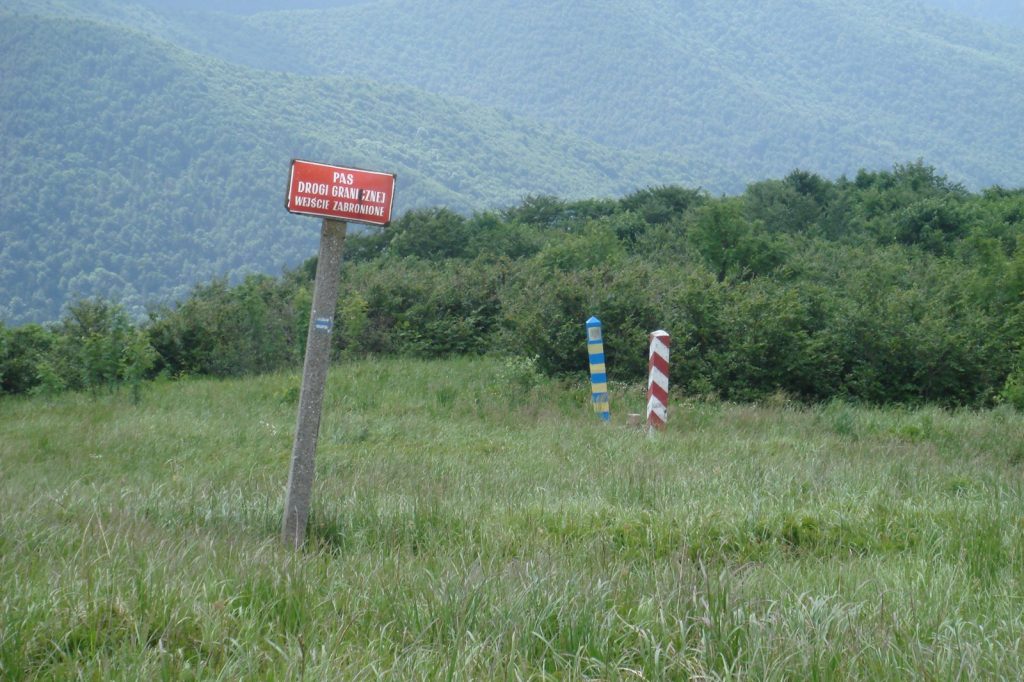
Warsaw and Kyiv were supposed to be the new power couple of Eastern Europe. For months, that narrative dominated headlines. Grain shipments, weapons transfers, shared border security — the partnership looked solid.
Now, the relationship has soured. The shift is unmistakable.
The first tremors were economic. Poland, a key transit hub for Ukrainian grain, saw its own farmers protest what they called a flood of cheap imports. The Polish government responded with a ban.
Ukraine cried foul. That public spat cracked the facade of unity.
It was not a minor policy disagreement. It was a signal that national interests were pulling the two capitals apart. Diplomatic language has hardened.
Officials in Warsaw have openly criticized what they see as Ukrainian ingratitude. In Kyiv, the tone is one of disappointment. The sense of a common front against Russia, so strong in the first year of the war, has eroded.
The word “love story” was never an official label. But it captured the spirit of 2022.
That spirit is gone. The United States is watching. The report notes that the US administration has been monitoring the situation with interest.
Washington needs a stable eastern flank. A fraying Polish-Ukrainian relationship complicates NATO’s posture.
It also complicates EU politics. Poland is a major voice in Brussels. Ukraine wants to join the bloc.
A public feud between them does not help Kyiv’s case. What is driving this? The report points to a complex interplay of political, economic, and social influences.
That is a careful way of saying the war has changed everything. The initial rally-around-the-flag effect in both countries has faded.
Hard realities have replaced romantic solidarity. Polish voters are worried about inflation, fuel prices, and competition from Ukrainian businesses and workers. Ukrainian officials are worried about battlefield losses, dwindling ammunition, and the strain of a population in exile.
The coverage from RT, the Russian state-funded outlet, has been extensive. Their website, rt.com, has provided what the report calls timely updates and analysis.
That is worth noting. Moscow has a clear interest in amplifying divisions between its two most vocal opponents in the region. The report does not claim RT is fabricating the story.
It simply states that RT has been covering it, offering its own insights. That coverage, whatever its editorial slant, has found a real fracture to work with. Several people have been affected.
That phrase in the original report is deliberately broad. It means truck drivers stuck at border crossings.
It means farmers on both sides of the frontier. It means politicians whose careers are tied to this relationship. It means ordinary citizens who believed the love story was real and now feel confused or betrayed.
The situation will continue to evolve. Twists and turns are expected.
The relationship between Poland and Ukraine has clearly changed. The question now is whether this is a temporary rift or a permanent realignment. The report does not answer that.
It only confirms that the old dynamic is over. The love story, as it was known, has ended.




