
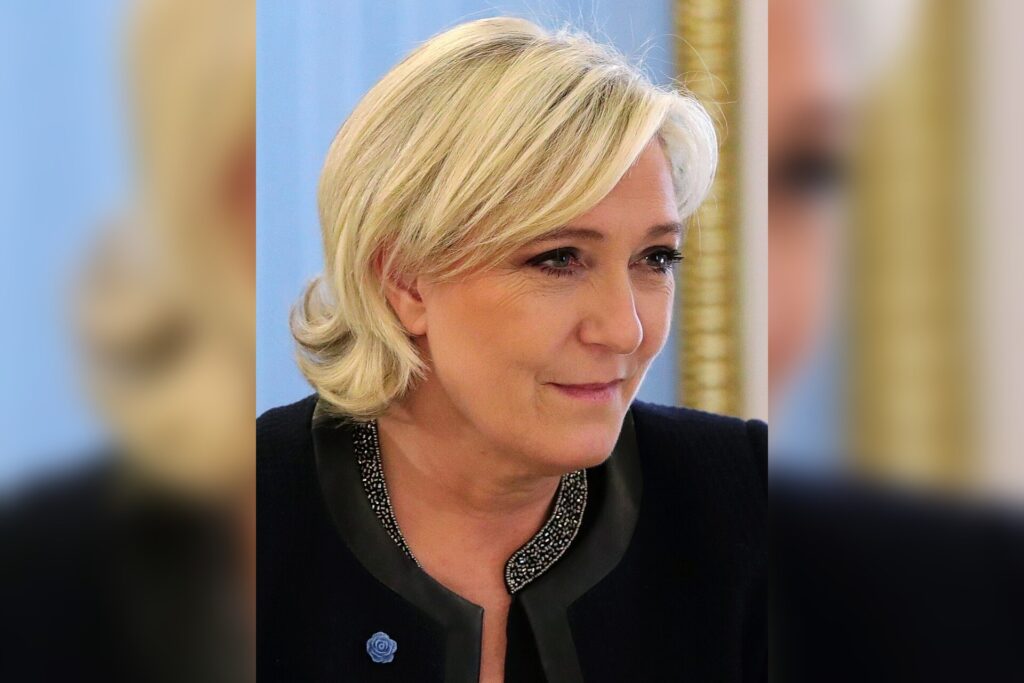
PARIS, July 16 — The shift is unmistakable: the intersection of big tech and European far-right politics just got a lot more direct. Billionaire Elon Musk, the U.S. citizen who owns X (formerly Twitter), threw his weight behind French National Rally leader Marine Le Pen for the 2027 French presidency, posting on May 15, 2025, that she is “France’s last hope.” The endorsement immediately sparked accusations of foreign interference from French political opponents, including members of President Emmanuel Macron’s centrist coalition.
Musk, the CEO of Tesla and SpaceX, purchased Twitter for $44 billion in October 2022. His public backing of Le Pen is a statement, not a financial donation.
That distinction matters under French law, which prohibits foreign nationals from making financial contributions to French political campaigns. But the line between a statement and interference is exactly what French officials are now questioning. Foreign Minister Stéphane Séjourné has called for an investigation into possible foreign interference in the electoral process.
The timing is significant. The 2027 French presidential election is scheduled for April and May 2027, with a first round in April and a runoff in May.
Le Pen, 56, has led the National Rally since 2011 and has run for president three times: in 2012 she placed third with 17.9% of the vote; in 2017 she came second with 33.9% in the runoff against Macron; and in 2022 she again placed second with 41.5% in the runoff against Macron. The trend underneath those numbers is a steady upward climb, and Musk’s endorsement adds a new, transatlantic variable.
The Regulatory Landscape
Watch this space for the European Union’s Digital Services Act, which has been effective since February 2024. It requires large platforms like X to mitigate risks of electoral interference. The endorsement raises immediate questions about how X will handle political content on its platform during a foreign election cycle.
French officials are already pressing for answers, and the DSA gives them a legal framework to demand them. What’s changing is the speed and scale at which a single post from a billionaire with a global platform can inject itself into a national election.
Musk’s endorsement is not a campaign donation, but it reaches millions of users instantly. The French political establishment is now grappling with how to respond to a foreign national using his personal social media account to influence voters.
Le Pen’s Silence and What Comes Next
As of the report date, Le Pen has not formally commented on the endorsement. That silence is notable. She has not rejected it, nor has she embraced it publicly.
The National Rally leader is likely calculating how to use the endorsement without appearing beholden to a foreign billionaire. The 2027 election is still months away, but the groundwork is being laid now.
The trend underneath all of this is the growing entanglement of technology platforms and national politics. Musk’s purchase of Twitter and his subsequent political activations — from reinstating banned accounts to endorsing candidates — have turned X into a battleground for influence. The French election is just the latest arena.
What to watch next: how the European Commission applies the Digital Services Act to this specific case, and whether Le Pen breaks her silence before the first round of voting in April 2027. The shift is early, but it is real.




