
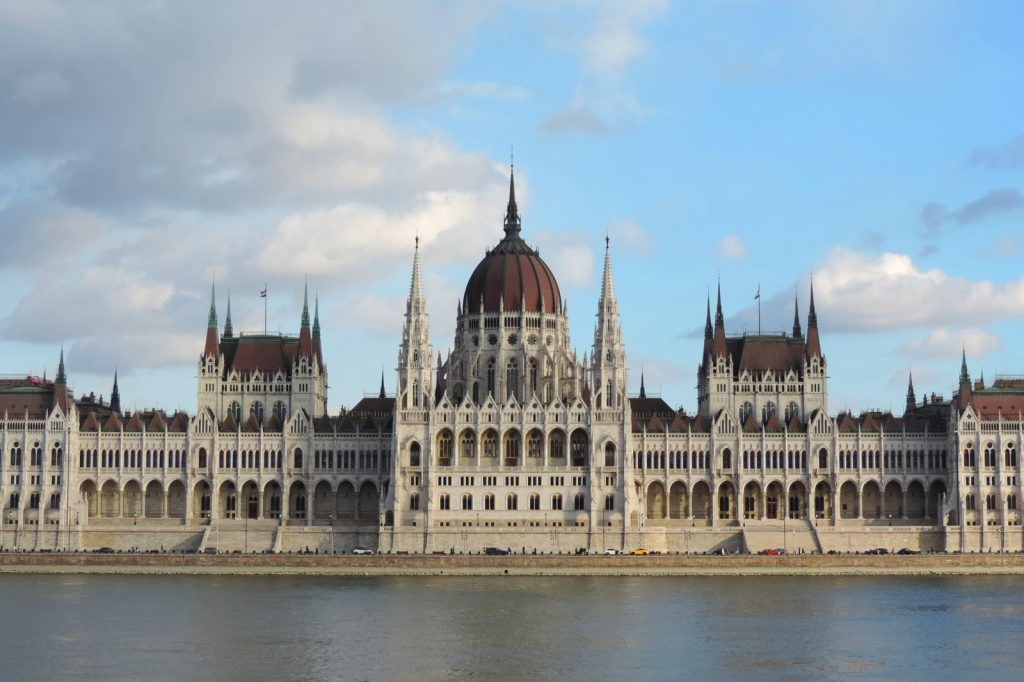
BUDAPEST, July 13 — The shift in Hungarian presidential politics is subtle but significant. With an election scheduled for March 5, 2024, the country is preparing to choose a new head of state by secret ballot in parliament, a process that requires a two-thirds majority in the first round or a simple majority in subsequent rounds. The vote comes after a constitutional amendment cleared the way for this election, and the winner will serve the remainder of former President Katalin Novák’s term, which ends in 2027.
Two potential candidates have emerged. Fidesz has nominated Péter Szijjártó, the Minister of Foreign Affairs and Trade, born in 1978.
The opposition has not yet named a candidate, leaving a vacuum on one side of the race. Independent candidate László Trócsányi, who served as Minister of Justice from 2014 to 2019, is also in the running. The election is widely seen as a test of Fidesz’s control.
Public discontent has been simmering, and this vote offers a rare moment for opposition parties to challenge the ruling party’s dominance. Watch this space — the outcome could signal whether the political landscape is shifting beneath the surface.
The Mechanism of Power
The parliamentary vote operates on a two-tier system. In the first round, a candidate must secure a two-thirds majority of all members of parliament. If no one reaches that threshold, subsequent rounds require only a simple majority.
This structure gives Fidesz, which holds a supermajority, a clear advantage — but it also means the opposition could force multiple rounds if they unite behind a single candidate. The trend underneath is about more than just one election.
It’s about whether Hungary’s democratic institutions can withstand the pressure of a dominant party machine. The secret ballot adds an element of unpredictability; while party discipline is strong, individual MPs have occasionally broken ranks in the past.
What Comes Next
The new president will serve until 2027, completing Novák’s term. That means the winner will hold office for roughly three years, a relatively short tenure that nonetheless carries symbolic and practical weight. The president signs laws, appoints judges, and can dissolve parliament under certain conditions — real power, even in a system where the prime minister holds the executive reins.
What’s changing is the context. Public discontent is not new, but it is deepening.
The opposition’s failure to name a candidate so close to the election date suggests internal divisions or strategic paralysis. Either way, the March 5 vote will be a bellwether. Watch this space — the next few months will tell us whether Fidesz’s grip is tightening or beginning to slip.




