
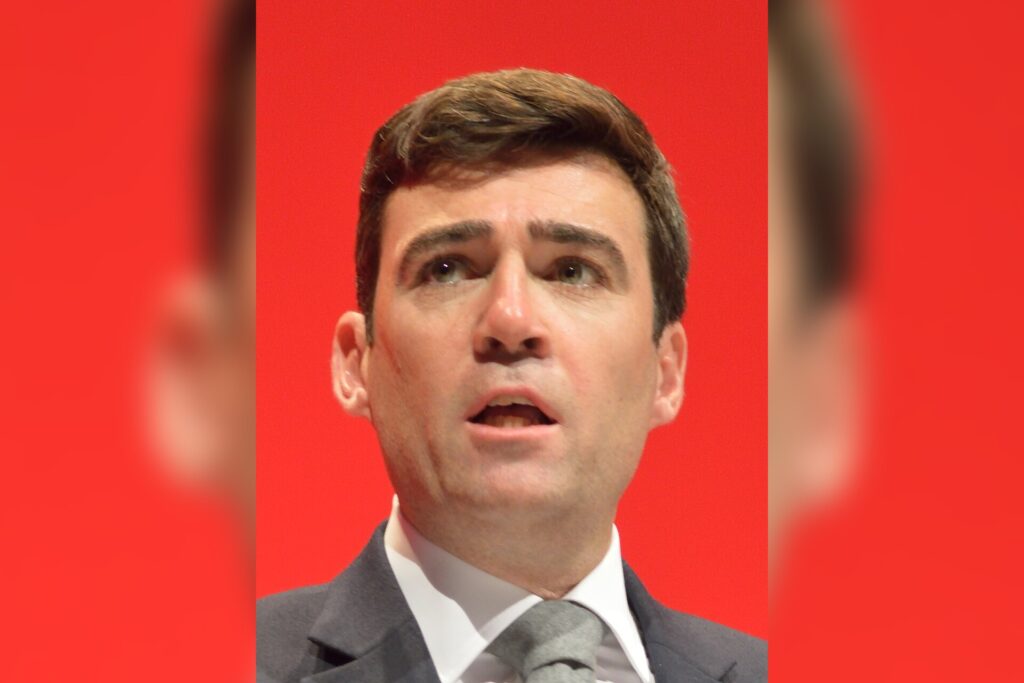
Andrew Burnham’s thumping win in the Makerfield by-election has sent a jolt through Westminster, but the real shockwaves are being felt inside the Labour Party itself. The victory, delivered in a constituency that voted heavily for Brexit in 2016, has handed Labour MPs a new talking point — and a new source of internal pressure. Keir Starmer’s leadership is now under a different kind of scrutiny.
Not from the Tories, not from Reform UK, but from his own ranks. Burnham outperformed expectations.
He beat Reform UK by a wide margin, even though the Brexit-backing seat looked tailor-made for a populist Right breakthrough. The Reform candidate flopped. A further Right movement called Restore split the vote.
That combination helped Burnham, but it did not hand him the win. He earned it.
And that is what has some Labour MPs worried — and others excited. The party is looking for a way out of its populist problem. Mainstream parties across the democratic world are getting hammered by insurgents on the Left and Right.
Labour is no exception. Many of its MPs face losing their seats at the next general election. Burnham’s win offers a glimmer of hope, but it also raises a hard question: if Starmer cannot deliver victories like this, why is he still leader?
The answer, for now, is that Burnham is not actively challenging him. But the trend underneath the party’s enthusiasm is clear.
Labour wants a charismatic figure who can take on the populist Right and win. Burnham proved he can do that in Makerfield. The question is whether he can do it nationally.
It is easy to see why the party sees him as a potential saviour. The trajectory of British politics is brutal for centrist parties.
The rise of populist movements, both Left and Right, has squeezed Labour from both sides. Burnham’s ability to hold a Brexit-voting seat while pulling votes away from Reform UK suggests he has a unique appeal. He speaks to voters who feel left behind — the kind of voters Labour has been bleeding for a decade.
But hype is not reality. Burnham is not a messiah. One by-election win, even a big one, does not prove he can rescue the party from its deeper problems.
Labour is still struggling to define itself. It is still searching for a message that cuts through.
Burnham may be part of that answer, but he is not the whole answer. What happens next is the real story. Labour’s internal factions are watching closely.
If Starmer stumbles again, the calls for a leadership change will grow louder. Burnham’s name will be on everyone’s lips.
The party’s strategy could shift — away from cautious centrism and toward a more pragmatic, working-class pitch. Burnham represents that shift. He is a proven winner in a tough seat.
That matters more to nervous MPs than any policy paper. The Makerfield result also sends a signal to the populist Right. Reform UK thought they had momentum.
They thought Brexit-voting seats were theirs for the taking. Burnham proved them wrong.
He showed that a mainstream candidate can still win if they connect with voters on the ground. That is a warning for Nigel Farage and his allies. The populist wave is not unstoppable.
But it takes a particular kind of candidate to stop it. Labour’s enthusiasm for Burnham is understandable.
It is also dangerous. If the party pins all its hopes on one man, it risks repeating the mistakes of the past. Charisma is not a substitute for a coherent platform.
Burnham’s victory in Makerfield was real. But the next election will be fought on a much bigger map. Watch this space.
The fight for Labour’s future is just beginning.




