
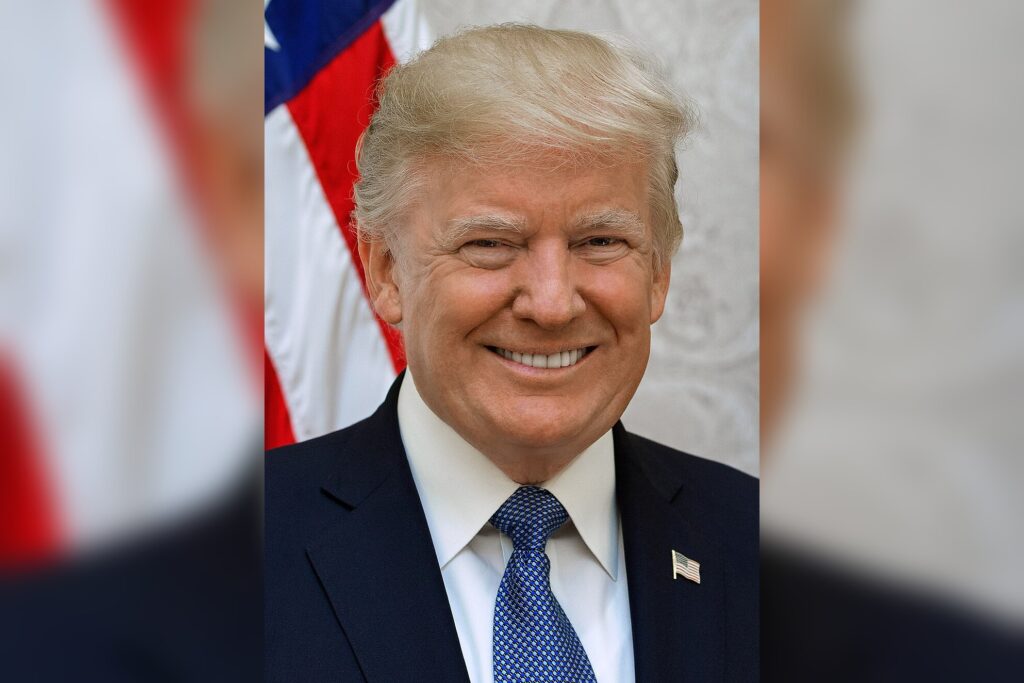
WASHINGTON, July 6 — The floor of the Republican National Committee headquarters hums with the quiet, efficient energy of a campaign operation that has done this before. On the walls, schematics for an autumn offensive in battleground states are pinned next to a calendar counting down to November. Donald Trump, the 45th President of the United States, is now the presumptive Republican nominee for the 2024 presidential election, and the machinery around him is already turning toward a general election fight that carries profound implications far beyond America’s shores.
The scene inside the campaign war room is one of disciplined repetition. Staffers here describe a candidate who is more focused than in previous cycles, though his core message remains unchanged. Trump’s presidency, which ran from 2017 to 2021, defined a period of aggressive “America First” policy, and his return to the ballot has sent a jolt through diplomatic capitals from Brussels to Kyiv.
NATO allies are watching closely. During his time in office, Trump frequently criticized member nations for failing to meet the alliance’s guideline of spending 2% of GDP on defense. He suggested, on more than one occasion, that the United States might not defend countries that fall short of that benchmark. Those statements, once dismissed as campaign bluster by some European leaders, now carry the weight of a potential policy blueprint.
By nightfall, the question hanging over Washington is not whether Trump can secure the nomination — he already has — but what his second term would mean for the war in Ukraine. Russia’s full-scale invasion began on February 24, 2022, and the conflict has settled into a grinding war of attrition. Trump has expressed skepticism about continued U.S. aid to Kyiv, a position that marks a sharp departure from the current administration’s approach.
The 2019 impeachment casts a long shadow over any discussion of Trump and Ukraine. He was impeached by the House of Representatives over allegations that he withheld military aid to pressure Ukraine to investigate Joe Biden, his political rival. That history, combined with his current rhetoric, has fueled anxiety among NATO allies about the future of transatlantic security.
On the ground in Eastern Europe, residents describe a nervous wait. Defense ministries in Warsaw and Tallinn are quietly reviewing contingency plans. Diplomats shuttle between capitals, trying to read the tea leaves of Trump’s foreign policy team. The presumptive nominee himself has offered few specifics, but his past actions and recent statements provide a clear direction of travel.
What to watch next: the Republican National Convention, where Trump will formally accept the nomination and, likely, outline his vision for America’s role in the world. For now, the campaign presses on, and the world watches.




