
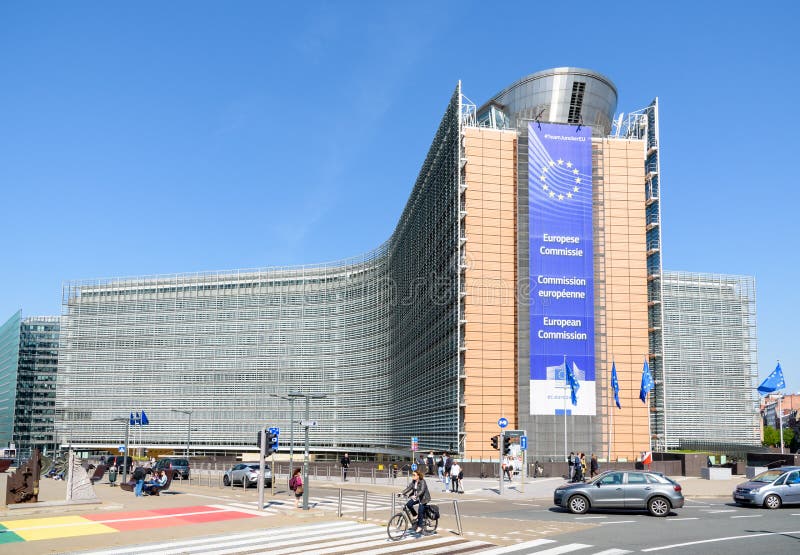
In a significant move on April 9, 2022, the European Union announced a ban on Russian coal, signifying the initial sanctions against the essential energy sector, due to the ongoing conflict in Ukraine. Despite this, the 27 member states were unable to reach a consensus on a broader embargo on oil and natural gas, a decision that would have a more substantial impact on Russia but could potentially lead to economic recession within the EU. The coal ban, according to the EU’s executive commission, is projected to cost Russia approximately 4 billion euros ($4.4 billion) per year.
The impact on the European economy is expected to be minimal, as energy analysts and coal importers believe the region could replace the Russian supply in a few months from alternative countries, including the U.S. This decision marks a significant break from the traditional energy ties between Europe and Russia and is likely to contribute to the already record-high inflation. Compared to oil and natural gas, coal is the easiest and least damaging to cut off swiftly, with a relatively insignificant impact on Russian President Vladimir Putin’s war chest and the European economy.
The EU currently pays Russia $20 million daily for coal, but $850 million daily for oil and gas. The coal embargo is expected to take effect after a three-month period and only apply to new contracts, making it less burdensome for Russia. The debate surrounding oil and natural gas remains heated, as the European Union relies on Russia for 40% of its gas and 25% of its oil.
While the EU has taken steps to reduce its dependence on Russian energy, the economic and geopolitical consequences are significant. German Energy Minister Robert Habeck has announced plans to halt Russian coal this summer, oil by the end of the year, and gas in mid-2024.
The EU is exploring alternative energy sources, conservation, and renewables to lessen its dependence on Russian energy. However, the transition will not be without challenges, as Europe attempts to balance its economic and geopolitical interests in the midst of the ongoing conflict in Ukraine. As the situation continues to develop, the EU will need to navigate the complexities of imposing sanctions on oil and natural gas, weighing the potential economic consequences for European countries against the desire to weaken Russia’s economy and reduce its influence in the region.
Related Stories
Poland to End Russian Oil Imports; Germany Warns on Gas Shortages Europe Commits to Reducing Dependence on Russian Energy




