
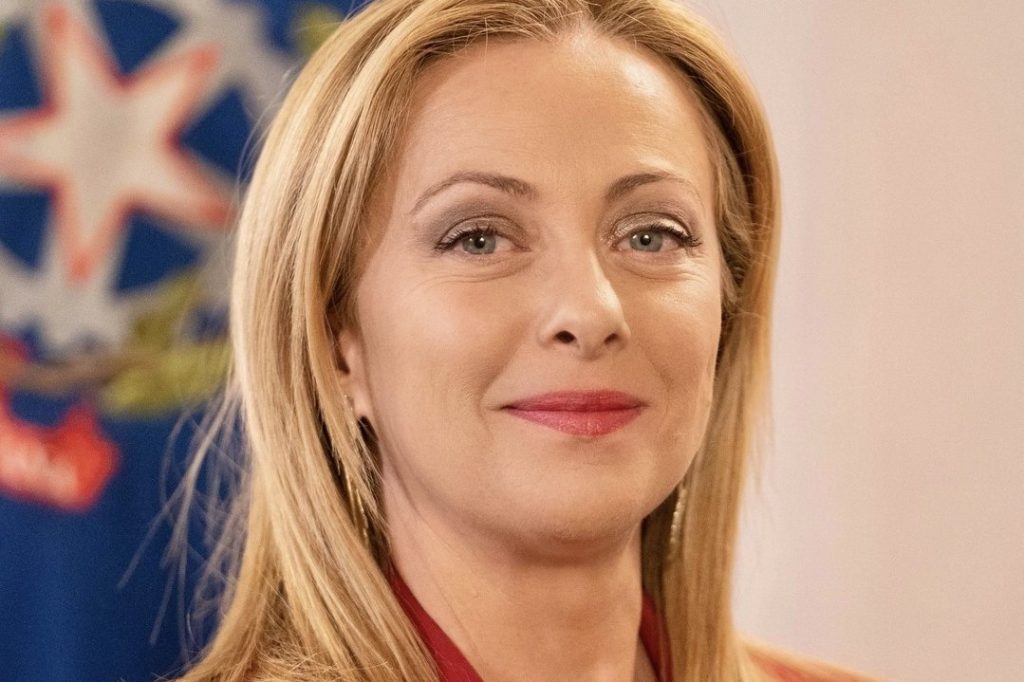
For the first time since World War II, Italy woke on 26 September 2022 to a government led by the far right. The centre-right coalition captured an absolute majority in Parliament, with Giorgia Meloni’s Brothers of Italy party emerging as the largest single party after securing 26 percent of the vote.
The snap election followed the collapse of Mario Draghi’s government. President Sergio Mattarella dissolved Parliament on 21 July after a parliamentary impasse. Voters also cast ballots in regional elections in Sicily on the same day.
Turnout hit a record low, a fact that suggests public fatigue with Italy’s revolving-door governments and shifting coalitions. The country has had 68 governments since 1946.
Meloni’s rise is not a sudden shock but rather the product of years of frustration. The centre-right coalition included the League and Forza Italia, both of which bled support. Each polled 8 percent, a steep drop for both.
The League, led by Matteo Salvini, once rode a wave of anti-immigrant sentiment. Forza Italia, Silvio Berlusconi’s party, has been in decline for a decade.
Meloni’s party absorbed much of that lost support. She positioned herself as the stable, disciplined alternative to Salvini’s erratic style and Berlusconi’s legal troubles. The centre-left coalition made slight gains compared to 2018.
The Democratic Party took 19 percent. The Greens and Left Alliance passed the 3 percent threshold.
But that was not enough to stop the right. The centre-left remains fragmented. More Europe and Civic Commitment failed to make a real impact. Italy’s multi-party system rewards coalitions that hold together, and the left did not hold together well enough.
Meloni is now set to become prime minister, as per the pre-election agreement among coalition parties. She will lead a government with an absolute majority in Parliament, giving her room to push through legislation without relying on coalition partners for every vote.
It also means she can resist pressure from Salvini and Berlusconi if she chooses. The implications are broad. Italy is a founding member of the European Union and the eurozone’s third-largest economy.
Meloni toned down her earlier Eurosceptic rhetoric during the campaign, but her party’s roots are in the post-fascist Italian Social Movement. The European establishment will watch closely as migration policy, fiscal spending, and relations with Brussels all hang in the balance.
Domestically, the low turnout raises questions about democratic engagement. Nearly one in three eligible voters stayed home. That is not a mandate from a unified country; it is a victory in a half-empty arena.
Meloni’s challenge will be to govern for a population that did not all show up to choose her. The League and Forza Italia are weakened but still in government, creating internal tension.
Salvini may try to pull the coalition further right on immigration. Berlusconi may push for business-friendly policies. Meloni must balance these forces while keeping her own base happy.
Italy’s political weather has changed. The centre-right now holds the levers.
The old guard of the League and Forza Italia lost ground. A new leader from a party once on the fringe sits at the top. The country heads into an uncertain winter.




