
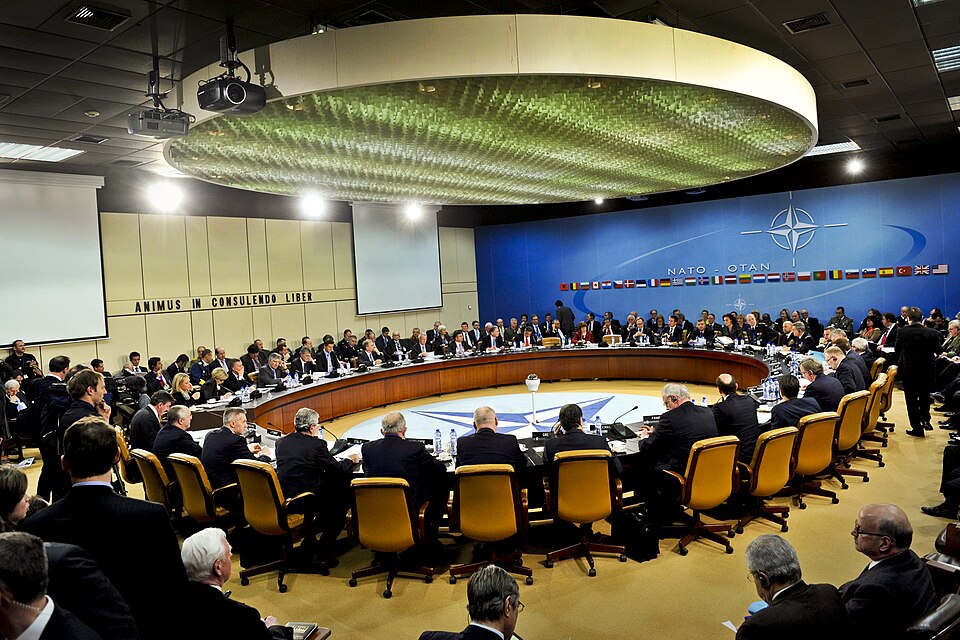
BRUSSELS, August 20 — NATO’s stance on potential Iranian military action has sent ripples through global security circles, even as details remain shrouded in uncertainty. The alliance’s latest declaration, issued in October 2023, reaffirmed its ironclad commitment to collective defense under Article 5 of the North Atlantic Treaty. This move followed unverified whispers from Middle Eastern sources suggesting Iran might target U.S. or coalition forces in Syria or Iraq.
Yet no concrete evidence has emerged to back these claims.
Alliance Readiness Amid Regional Tensions
NATO’s response has been swift and public. The alliance emphasized its preparedness to mobilize air and naval assets across the Eastern Mediterranean and Gulf regions. General Tod Wolters, NATO’s spokesperson, made it clear: any attack on a member state would trigger a unified response.
This isn’t just posturing. The U.S. Department of Defense has quietly increased military readiness in the area, though it has not confirmed the existence of Iranian plans.
What’s driving this heightened alert? Analysts point to simmering regional conflicts. Iran’s disputes with Israel and proxy groups in Lebanon remain unresolved.
These tensions, while not new, have taken on a new urgency. The U.S. and its allies are monitoring intelligence channels closely, but the lack of verified reports keeps the situation in a gray zone.
No casualties have been recorded, and no specific attack blueprints have surfaced.
Unverified Reports and Strategic Calculus
Here’s the critical caveat: the Iranian threat narrative is built on unverified reports. No named sources, no hard data. This raises questions about how much weight to give these warnings.
Are they a genuine intelligence breakthrough or a diplomatic bluff? The absence of confirmed plans suggests Iran may be testing the waters rather than preparing for all-out conflict.
Still, NATO’s reaction underscores a broader trend — the alliance is treating every unverified threat as a potential crisis. Historically, NATO’s Article 5 commitments have been invoked only once, after 9/11. The last two decades have seen the alliance adapt to non-traditional threats, from cyberattacks to hybrid warfare.
This situation, if it escalates, could test those adaptations. The challenge lies in distinguishing between real danger and strategic messaging.
Iran’s government has long been labeled a hostile actor, and its regional rivalries — particularly with Israel — provide ample context. But without verified facts, speculation risks overshadowing reality.
What’s Next for Global Security?
The immediate future hinges on whether Iran’s actions materialize. If they do, NATO’s unified response could reshape Middle Eastern dynamics. If not, the alliance’s heightened readiness might set a precedent for treating unverified threats with disproportionate seriousness.
Either way, the region remains a powder keg. The U.S. administration, led by President Donald Trump, has positioned itself as a key player in stabilizing these tensions, though its approach remains under scrutiny.
For now, the message is clear: watch this space. The shift in NATO’s posture reflects a broader trend where intelligence ambiguity fuels military preparedness. What’s changing isn’t just the threat landscape — it’s how alliances like NATO respond to it.
As the situation evolves, one thing is certain: the balance of power in the Middle East, and by extension global security, is on the brink of a new chapter.




