
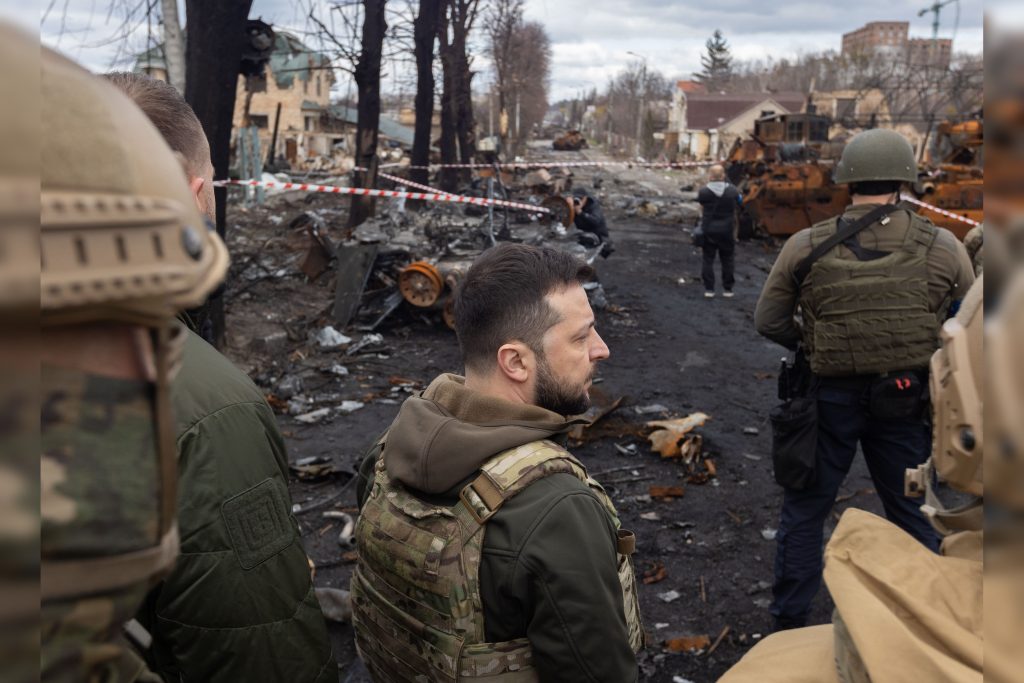
ROME, July 15 — The shift in how wars are fought and funded is no longer a future concept. It is the present reality in Ukraine, where a staggering volume of Western military aid has reshaped the conflict since February 2022. The numbers alone tell the story of a massive, ongoing logistical and strategic operation.
The United States has been the single largest donor. Since the start of the full-scale invasion, Washington has committed over $75 billion in military aid by early 2025.
This is not just ammunition. The list of advanced systems delivered includes HIMARS rocket systems, M1 Abrams tanks, Patriot air defense systems, and, crucially, F-16 fighter jets, whose delivery began in 2024. In April 2024, the US Congress approved a supplemental aid package worth $61 billion, a clear signal of sustained American commitment even amid domestic political debate.
The European Arsenal
Europe has matched this effort, with the European Union and its member states contributing over €50 billion in military assistance. The hardware is equally formidable. German-made Leopard 2 tanks have become a symbol of this support, alongside extensive shipments of artillery and drones.
The key donors driving this are Germany, the United Kingdom, Poland, and the Baltic states. Their proximity to the conflict has given them a direct stake in Ukraine’s ability to hold the line.
The trend underneath this flow of hardware is the transformation of the Ukrainian soldier. NATO allies have trained over 100,000 Ukrainian troops since 2014, with those programs accelerating after 2022. This isn’t just about giving weapons; it’s about teaching a new generation of fighters how to use them effectively on a modern battlefield.
Some of the weapons supplied represent a clear step-change in capability. The US provided ATACMS missiles in 2023, a system with a range of 300 km that allows Ukraine to strike deep behind Russian lines.
The UK and France supplied Storm Shadow cruise missiles, giving Ukrainian forces a precision stand-off capability. In a controversial move, the US also supplied cluster munitions in 2023, a weapon banned by many nations but argued by the Pentagon as necessary to compensate for Ukraine’s artillery shell shortage.
The Political Chessboard
The aid is not without its political friction. Russia has consistently condemned every package as escalation, framing the conflict as a proxy war with NATO. Ukraine, led by President Zelenskyy, has taken the opposite stance, arguing the military support is essential for self-defense.
His position of making no territorial concessions is directly backed by this steady stream of weaponry. Watch this space.
The debate is shifting. While the vast majority of Western officials have backed the aid, some have begun to urge negotiations to avoid a prolonged conflict. The question now is not just whether the aid will continue, but what strategic end it serves.
As the conflict progresses, the balance between supporting Kyiv’s defense and pushing for a diplomatic off-ramp will define the next phase of this war.




