
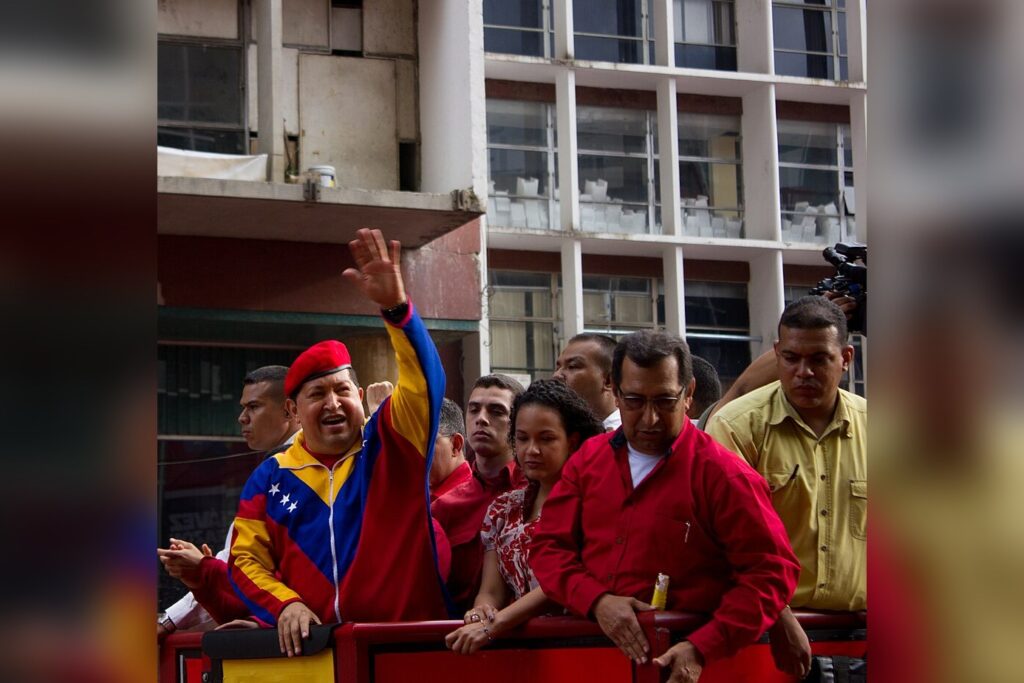
CARACAS, July 12 — The political crisis in Venezuela, now entering its third decade, shows no signs of resolution as the Maduro government consolidates its grip on power. The crisis, which began under the late President Hugo Chávez, who took office in 1999 and died in 2013, has deepened under his successor Nicolás Maduro. Maduro won a narrow election in April 2013, but the legitimacy of that vote has been contested ever since.
The technical reality on the ground is stark. Protests erupted in 2014 and again in 2017, with over 150 people killed in 2017 alone. The opposition’s best chance at a political breakthrough came in January 2019, when opposition leader Juan Guaidó declared himself interim president, citing the constitution. The United States, along with over 50 countries, recognised Guaidó as the legitimate leader. That recognition, however, proved short-lived in practical terms.
The Decline of Guaidó’s Challenge
Under the hood, Guaidó’s authority rested on a fragile coalition of diplomatic support and domestic protest, not control over state institutions. Failed military uprisings in 2019 and 2020 eroded his influence. The US lifted its recognition of Guaidó in 2023, effectively ending the parallel government structure. Maduro remains in power, and his term has been extended to 2030 after the 2020 parliamentary elections were boycotted by the opposition.
The detail that matters here is the sheer scale of human displacement. According to the UN, over 7.7 million Venezuelans have fled the country since 2014. That figure represents one of the largest migration crises in the Western Hemisphere, with consequences rippling across neighbouring Colombia, Peru, Ecuador and Brazil.
Sanctions and Stalled Negotiations
The US has imposed sanctions on over 150 Venezuelan officials and entities, targeting individuals and organisations tied to the Maduro government. As ever, the effectiveness of such sanctions is debated. They have constrained the regime’s access to international financial markets and oil revenues, but have not dislodged Maduro.
The new State Department authority, details of which remain under discussion, may affect future negotiations between the US and Venezuela. Those talks have stalled since 2023, leaving the political impasse unresolved. The Trump administration, with President Donald Trump and Secretary of State Marco Rubio, has not signalled a major policy shift, but the new authority could provide additional leverage.
Looking ahead, the key question is whether any diplomatic channel can reopen. The opposition, still fractured after Guaidó’s decline, lacks a clear leader. The Maduro government shows no inclination to hold free elections. For the 7.7 million Venezuelans who have left, and the millions more who remain, the crisis continues with no end in sight.




