
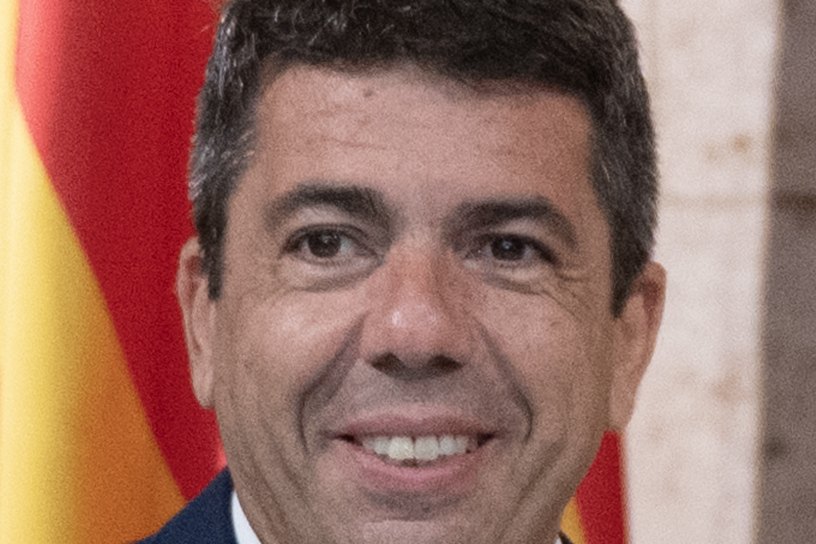
More than a year after the catastrophic rains that struck eastern Spain in October 2024, the political repercussions finally materialised. Carlos Mazón, who headed the Generalitat Valenciana, announced his resignation in November 2025, bowing to mounting public outrage over what many described as inadequate preparation and a sluggish emergency response. On 29 October 2024 a powerful, isolated low‑pressure system—known locally as a DANA—settled over the Valencian Community, Castilla‑La Mancha and Andalusia.
In a single day the storm unleashed rainfall equivalent to more than a year’s average precipitation for the region. The deluge caused rivers to burst their banks, streets to turn into torrents and entire towns to be inundated.
The event quickly entered the record books as one of the deadliest natural disasters in both Spanish and European history. Official counts confirm that 237 people lost their lives. The fatalities represent families, neighbours and whole communities that were overwhelmed by fast‑rising waters that gave little warning.
Beyond the tragic loss of life, the floods inflicted extensive property damage across numerous municipalities. While the material losses were severe, the death toll became the focal point of a broader reckoning that fell on regional and national authorities.
A post‑disaster report singled out poor preparation and a delayed response as key factors that amplified the human cost. As the head of the regional government, Mazón bore the brunt of the criticism. Protesters and opposition parties repeatedly accused his administration of ignoring clear meteorological alerts and failing to mobilise sufficient resources before the storm hit. The perception that the government’s inaction contributed directly to the high casualty figure intensified calls for accountability, ultimately leading to Mazón’s decision to resign.
The role of climate change was also highlighted in the analysis. Although similar DANA events have occurred in the past, the 2024 episode was marked by an unusually intense concentration of rain, a pattern experts associate with a warming climate.
The report noted that while the weather system itself was forecast, the severity of the rainfall exceeded typical expectations, compounding the challenges faced by emergency services. In the immediate aftermath, a massive grassroots effort emerged. Thousands of volunteers from across Spain, together with nonprofit organisations, converged on the hardest‑hit areas to assist with rescue, clean‑up and relief distribution.
Their swift action contrasted sharply with the perceived sluggishness of official channels, underscoring a gap between the state’s responsibilities and its actual performance. The resignation does not erase the 237 deaths, but it signals a political acknowledgement of the failures identified in the investigation.
The report, however, stops short of outlining concrete institutional reforms. It records Mazón’s departure as a singular consequence, leaving open the question of how Spain will address the systemic vulnerabilities that allowed the disaster to claim so many lives. Looking ahead, authorities face pressure to translate the lessons of the 2024 floods into tangible changes—whether through updated emergency protocols, improved infrastructure or more robust climate‑adaptation strategies.
The effectiveness of any forthcoming reforms will be measured against the risk of future DANA events and the capacity of government bodies to protect citizens when warning signs are present. For now, the Valencian community grapples with the dual task of mourning its losses and rebuilding its towns, while the broader Spanish public watches to see whether the political fallout will evolve into lasting improvements in disaster preparedness.




