
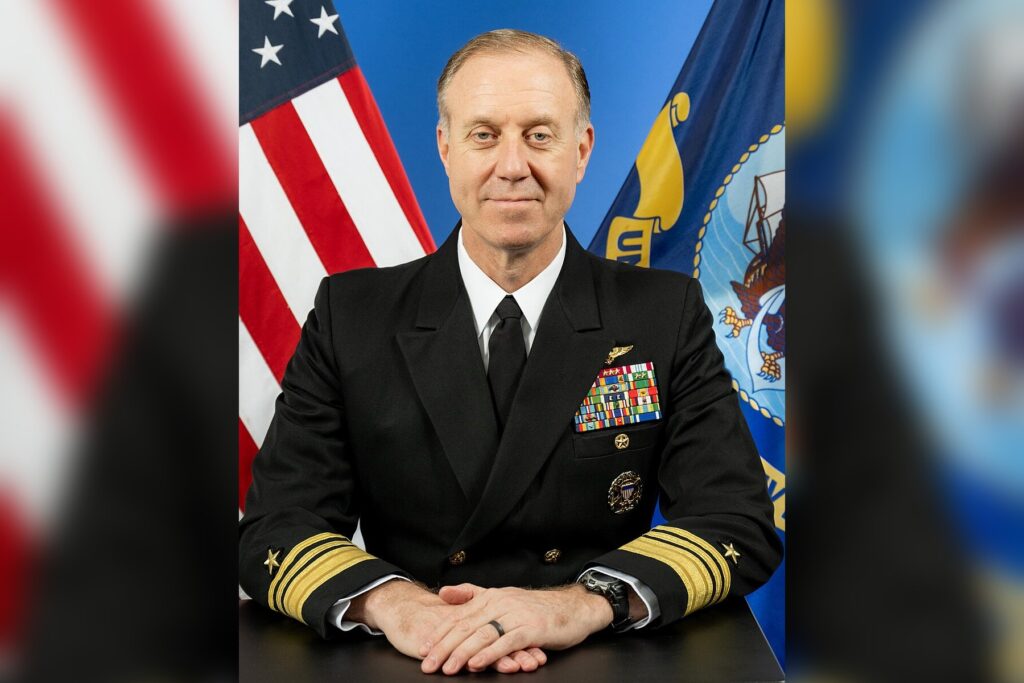
MANAMA, July 7 — One number defines the naval standoff in the Persian Gulf: two navies. The U.S. Fifth Fleet, headquartered at Naval Support Activity Bahrain, operates under Vice Admiral George Wikoff. On the other side, the Islamic Revolutionary Guard Corps Navy, or IRGCN, answers to Rear Admiral Alireza Tangsiri and reports directly to Supreme Leader Ayatollah Ali Khamenei.
The bottom line: The IRGCN is not Iran’s regular navy. It is a separate force built for asymmetric warfare, operating independently from the Islamic Republic of Iran Navy.
That distinction matters for investors tracking regional risk and for anyone watching the Strait of Hormuz. Vice Admiral Wikoff has overseen increased patrols since 2024, according to the source material. The Fifth Fleet commands carrier strike groups, amphibious ready groups, and patrol forces across the Persian Gulf, Gulf of Oman, Red Sea, and Arabian Sea.
That is a vast area of responsibility, and the fleet’s posture has been tightening. By the numbers, the IRGCN’s structure is the figure that matters.
Rear Admiral Tangsiri directs a force that does not take orders from Iran’s regular navy command. It reports directly to Khamenei. That chain of command gives the IRGCN political independence and a mandate for unconventional tactics — small boats, mines, and swarming attacks that could threaten commercial shipping.
Investors will note that the Fifth Fleet’s presence in Bahrain puts American naval power within striking distance of Iran’s coastline. The fleet’s ability to project force across multiple waterways — the Persian Gulf, the Gulf of Oman, the Red Sea, and the Arabian Sea — means any disruption in one area could trigger a broader response. Vice Admiral Wikoff’s increased patrols since 2024 signal a sustained commitment.
The IRGCN’s independent command structure means any miscalculation by Tangsiri’s forces could escalate quickly, without the moderating influence of Iran’s regular military chain of command. The source material provides no specific numbers on vessel counts, patrol frequency, or recent incidents.
What is clear: two navies operate in the same crowded waters, with fundamentally different command structures and tactics. The Fifth Fleet answers to U.S. Central Command. The IRGCN answers to the Supreme Leader.
What to watch next: Whether Vice Admiral Wikoff’s patrols shift from increased presence to direct engagement, and whether Rear Admiral Tangsiri’s asymmetric forces test the Fifth Fleet’s response times. The command structure alone makes this a powder keg.




