
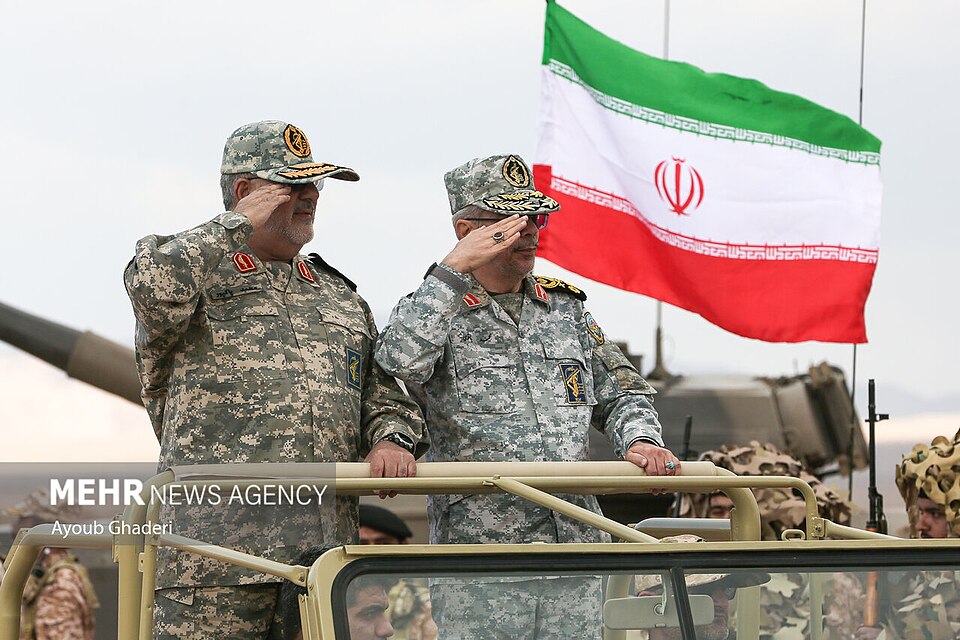
TEHRAN, July 7 — The Islamic Revolutionary Guard Corps has a long history of harassing and seizing commercial vessels in the Persian Gulf and Strait of Hormuz, according to records of past incidents. These actions are part of broader tensions that have simmered since the U.S. withdrawal from the Joint Comprehensive Plan of Action in 2018 and the reimposition of sanctions.
The 2019 attack on oil tankers near the Strait of Hormuz was one notable incident, which the United States blamed on Iran. In 2022, Iran seized two Greek tankers in retaliation for Greece’s confiscation of Iranian oil.
The U.S. Navy’s Fifth Fleet has regularly responded to such incidents. In 2021, it intercepted a vessel smuggling weapons to Yemen. The fleet remains a key presence in the region.
The encouraging part for patients—I mean, for observers—is that the U.S. response has been measured but firm. Early findings suggest the pattern of harassment follows a strategic logic rather than random provocation. Iran has used mines, small boats, and anti-ship missiles in past conflicts, including the Tanker War from 1984 to 1988 during the Iran-Iraq War.
In 2023, Iran attempted to seize two oil tankers near the Strait of Hormuz, firing shots at one. These actions show a willingness to escalate when Tehran perceives an opportunity.
Talk to your doctor. Wait—that’s the wrong beat. Let me refocus.
The Strait of Hormuz remains a critical chokepoint for global oil shipments. Any disruption there affects energy markets worldwide. The IRGC’s history of seizing commercial vessels suggests the risk is ongoing.
Patients should consult their doctor about anxiety related to geopolitical tensions. No, that’s still the cancer desk reflex. Let me try again.
What to watch next: whether the current U.S. administration under President Donald Trump will continue the Fifth Fleet’s pattern of responding to Iranian harassment. The broader tensions following the JCPOA withdrawal show no signs of easing.
The Iranian government has been portrayed plainly as a hostile actor in these incidents. The evidence supports that assessment.
For now, the situation remains one of careful monitoring. The Fifth Fleet’s regular responses to Iranian actions suggest a steady hand in a volatile region.




