
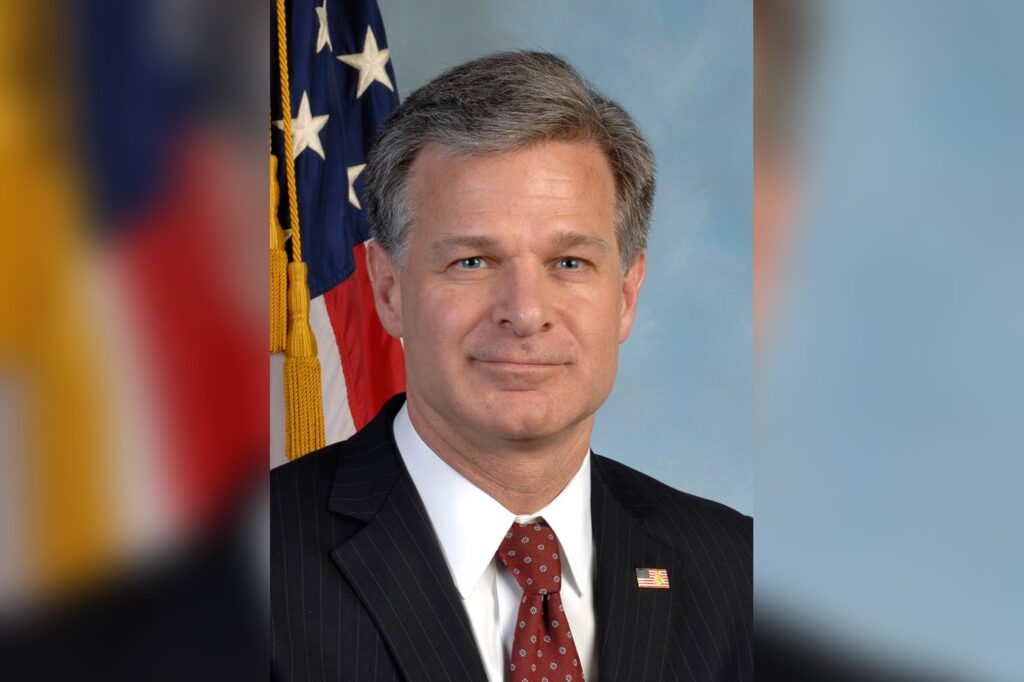
MOSCOW, July 21 — Signals of a potential visit by the FBI Director to Moscow have emerged from official channels as the United States and Russia weigh the possibility of reopening limited law enforcement dialogue, according to background materials reviewed by InfoPulse Today. No formal announcement has been made, but the record shows that such a trip would mark the first high-level FBI visit to Russia since the closure of the bureau’s legal attaché office in Moscow in 2016.
The FBI’s relationship with Russian law enforcement agencies dates back to the 1990s, when the two countries collaborated on organized crime and counterterrorism. In 2002, then-FBI Director Robert Mueller made an official visit to Moscow to discuss intelligence sharing in the aftermath of the 9/11 attacks.
That visit led to the establishment of a permanent FBI legal attaché office in Moscow in 2004, which operated for twelve years. The arrangement was part of a broader framework that included a Mutual Legal Assistance Treaty signed in 1999 and ratified in 2002, allowing for the exchange of evidence in criminal cases. Cooperation between the two nations was not limited to law enforcement.
The treaty provided a formal mechanism for sharing forensic evidence, witness statements, and other materials in cases ranging from money laundering to terrorism. For nearly a decade, this channel functioned with what officials described as routine transparency.
Deterioration After 2014
The trajectory of bilateral law enforcement engagement shifted dramatically after Russia’s annexation of Crimea in 2014. The United States imposed sweeping sanctions, and the Mutual Legal Assistance Treaty was effectively suspended. The next major rupture came in 2016, when Russia ordered the United States to sharply reduce its diplomatic and support staff in Moscow, forcing the closure of the FBI’s legal attaché office.
Since then, cooperation has dwindled to a near standstill. The 2022 invasion of Ukraine delivered a further blow.
Washington suspended most remaining law enforcement dialogues with Moscow, and the sanctions regime expanded. According to officials, the once-regular exchanges on counterterrorism and organized crime stopped altogether. The record shows that by 2026, no formal bilateral meetings on criminal justice matters had taken place in several years.
Current Priorities and Uncertain Prospects
Recent FBI priorities in Russia have focused on two main areas: combating cybercrime emanating from Russian-based hacker groups, and negotiating the release of U.S. citizens detained on what the U.S. considers politically motivated charges. The bureau’s cyber division has maintained indirect channels with Russian counterparts through third-party intermediaries, but direct communication has been absent. A visit by the FBI Director could signal a reopening of limited channels, though any substantive progress is uncertain given the ongoing conflict.
Officials confirmed that no timeline for such a visit has been set, and that the political climate in both capitals remains deeply wary. The strategic calculation for Moscow involves balancing the potential benefits of resuming cooperation on specific cases against the broader geopolitical rupture.
For Washington, the calculus is similarly fraught. The administration has publicly insisted that no normalization of ties with Russia is possible while the war in Ukraine continues. Yet the record shows that the United States has maintained certain unilateral channels for consular access and prisoner negotiations.
Whether the FBI’s traditional law enforcement role can be revived within that narrow space remains an open question.




