
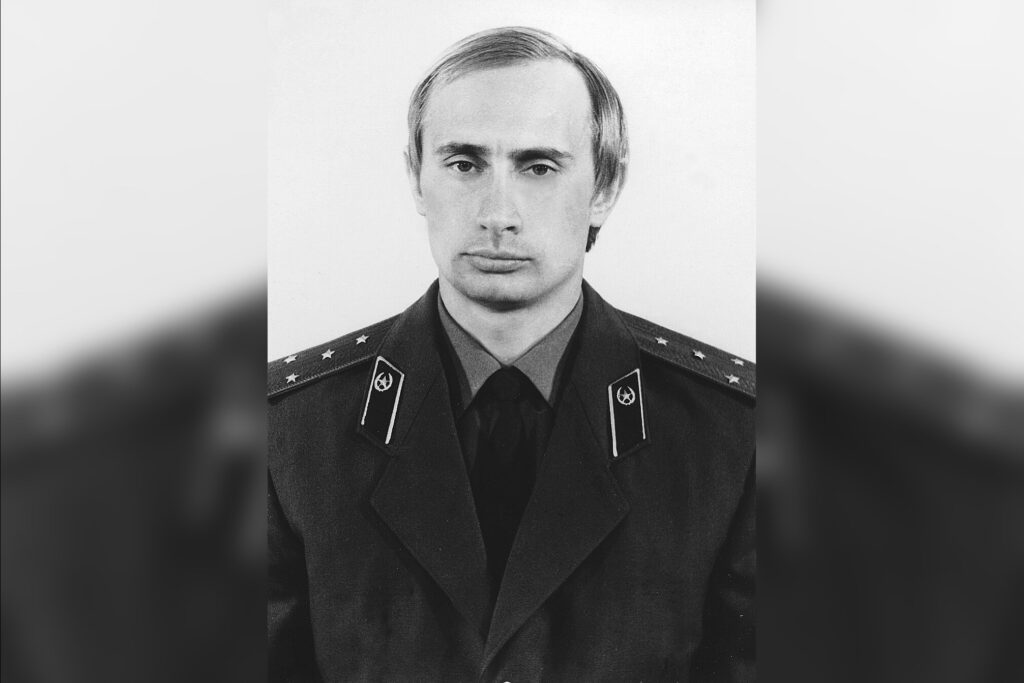
MOSCOW, July 10 — Vladimir Putin, who has served as Russia’s president since May 7, 2012, and previously held the office from 2000 to 2008, now faces a potential new economic test that could strain the resilience his administration has cultivated since the full-scale invasion of Ukraine began on February 24, 2022. According to the International Monetary Fund, Russia’s economy grew by 3.6% in 2024, a figure that surprised many Western analysts who had anticipated a sharper contraction under the weight of widespread international sanctions.
That growth has been driven, officials confirmed, by sustained oil exports and increased military spending. Putin has dismissed previous sanctions as ineffective.
The record shows he has pivoted Russian oil exports to China and India, bypassing traditional European markets that once accounted for the bulk of Russia’s energy revenue. State-run polls place his approval rating at around 80%, a figure that has remained remarkably stable throughout the war.
The tariff question
The proposed US tariffs, which have not yet been formally enacted, could test this carefully managed resilience. If implemented, according to economic analysts, the measures might reduce Russia’s budget revenues by up to $40 billion annually. That figure represents a significant portion of the state budget, particularly given that oil and gas revenues have long been the backbone of Russian government spending.
Putin has not publicly commented on the tariff plan as of March 2025. The Kremlin has not issued a formal statement on the matter, though officials have previously signaled that any new economic pressure would be met with countermeasures.
The timing is notable. Russia’s economy, while growing, is operating under what economists describe as a war footing. Military spending has surged, and the government has poured resources into domestic production of weapons and ammunition.
The proposed tariffs would target the very export revenues that have kept the system afloat.
Strategic context
The invasion of Ukraine, which Putin ordered on February 24, 2022, fundamentally altered Russia’s relationship with the global economy. Western nations imposed sanctions that froze hundreds of billions of dollars in central bank reserves, restricted technology transfers, and limited Russian access to international financial systems. Born on October 7, 1952, in Leningrad, Putin is a former KGB officer.
His worldview, shaped by the collapse of the Soviet Union, has consistently emphasized the need for Russia to be a self-sufficient great power, immune to external pressure. That self-sufficiency is now being tested.
The pivot to China and India has kept oil revenues flowing, but at discounted prices. Beijing and New Delhi have extracted favorable terms, and Russia’s leverage in those relationships is limited.
What to watch
The coming months will reveal whether the Kremlin can sustain its current economic trajectory. The proposed US tariffs, if enacted, would represent the most significant new economic pressure since the initial sanctions wave of 2022. Putin’s response, should he choose to address the plan publicly, will be closely watched.
The record shows he has consistently framed Western economic pressure as an attempt to weaken Russia, and has used such pressure to rally domestic support. For now, the Russian economy continues to function.
The question is how long that can last if new trade barriers cut deeply into the revenues that have kept it running.




