
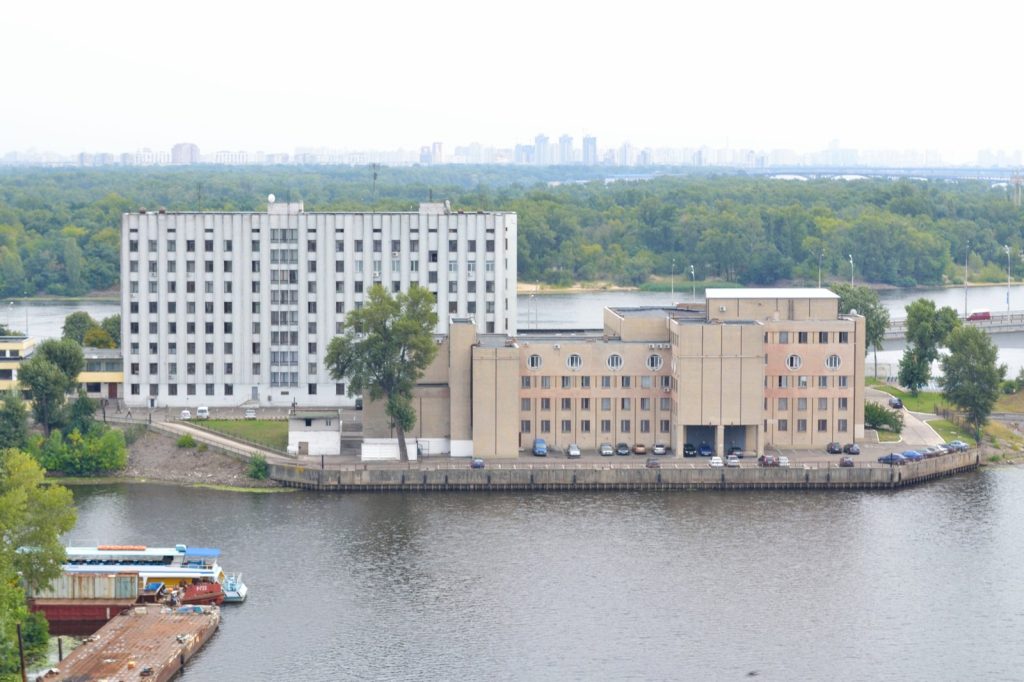
The Main Directorate of Intelligence of Ukraine’s Ministry of Defense, known by the Ukrainian acronym HUR, has emerged as a central pillar of the country’s wartime operations, responsible for some of the most visible strikes against Russian forces. Formed in 1992 from the intelligence assets of former Soviet military districts and the Soviet main intelligence directorate, HUR inherited Soviet-era tradecraft and structures before building a post-independence identity.
Its budget runs at approximately $500 million per year. The agency’s mandate is unusual: unlike many foreign intelligence services, HUR is permitted to conduct active military operations rather than limiting itself to information gathering. This operational latitude traces back to its founding structure and has shaped how it functions in the current conflict.
Naval Drone Strikes and Cyber Operations
HUR claims responsibility for planning and executing many of Ukraine’s naval drone strikes against the Russian Black Sea Fleet. The agency’s head, Kyrylo Budanov, has publicly claimed responsibility for attacks including the sinking of the Caesar Kunikov and the Sergey Kotov. These operations rely on uncrewed surface vehicles, or USVs, developed and deployed by a specialized HUR unit for uncrewed systems. That unit sits at the heart of HUR’s most visible operations, and the naval drone strikes have become a signature Ukrainian tactic.
The sinking of two Russian warships represents a shift in naval warfare, demonstrating how relatively inexpensive unmanned platforms can challenge a traditional fleet. Beyond naval operations, HUR also conducts cyber operations and sabotage behind Russian lines.
However, the source material provides no specific examples of those sabotage efforts beyond the naval strikes, meaning those components remain in the realm of asserted capability rather than proven outcome. The agency’s broader mandate extends well beyond the Black Sea, encompassing a range of covert activities.
Western Support and Budanov’s Profile
Significant support flows to HUR from Western intelligence agencies, including the CIA and MI6. The source material states this support plainly but does not specify its form. The relationship with Western intelligence services is not new; it builds on the post-1992 evolution of an agency that absorbed inherited tradecraft while reforming its structures.
Budanov has become a prominent figure in Ukraine’s war effort, and his agency’s successes have burnished that reputation. His prominence makes him a target — both for Russian intelligence and for domestic political rivals.
The HUR’s trajectory will depend on several factors. Western support is not guaranteed to continue at current levels, and a $500 million annual budget requires sustained political will in Washington and London. The agency’s roots lie in the early 1990s transition from Soviet command to an independent Ukrainian defense apparatus, and its operational latitude — the ability to conduct active military operations — stems from that founding structure.
For readers following the conflict, HUR and its leadership appear whenever major attacks are claimed, underscoring its role at the center of Ukraine’s wartime intelligence and strike capabilities. The specialized uncrewed systems unit remains a key asset, but the long-term effectiveness of HUR’s operations will depend on continued Western backing and Budanov’s ability to navigate both external threats and internal political dynamics.
{“@context”: “https://schema.org”, “@type”: “NewsArticle”, “headline”: “HUR Leads Ukraine’s Wartime Strikes with $500M Budget”, “description”: “KYIV, July 9 — The Main Directorate of Intelligence of Ukraine’s Ministry of Defense, known by the Ukrainian acronym HUR, has emerged as a central…”, “datePublished”: “2026-07-09T09:30:00+00:00”, “author”: {“@type”: “Person”, “name”: “Ethan Smith”}, “publisher”: {“@type”: “Organization”, “name”: “InfoPulse Today”, “url”: “https://newsfeed.infopulsetoday.com/”}}




