
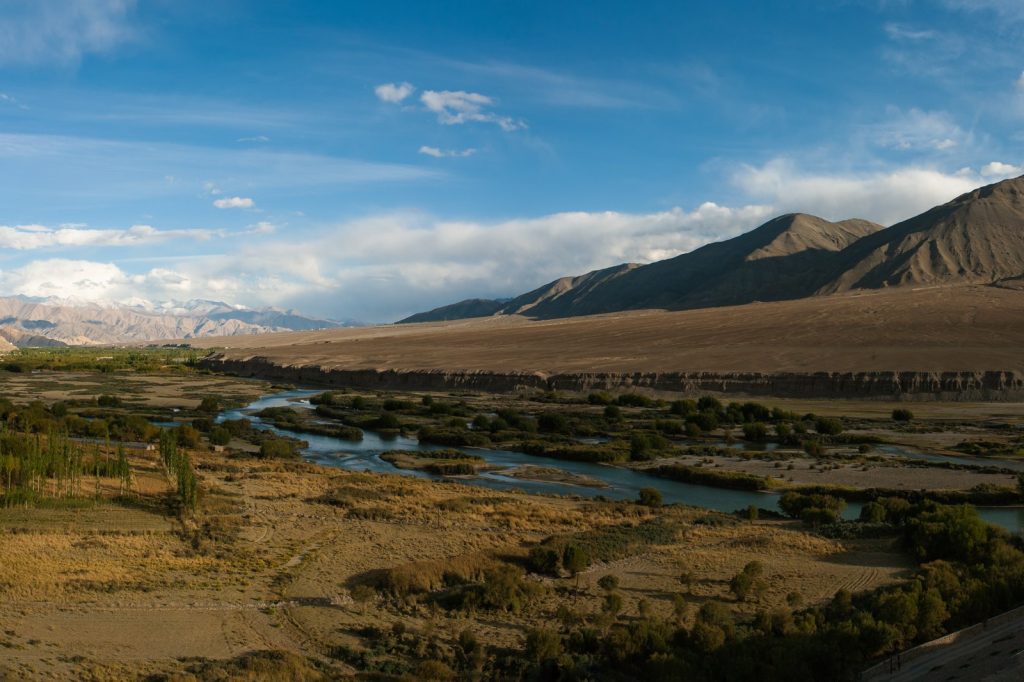
The Indus Waters Treaty, a cornerstone of South Asian water-sharing agreements since 1960, has been suspended by India. This action, announced following the 22 April attack in Pahalgam that left 26 tourists dead, represents a fundamental shift in the relationship between the two nuclear-armed neighbors. The treaty, originally brokered by the World Bank, had previously endured two full-scale wars between India and Pakistan.
Its current status is now uncertain. The attack was claimed by The Resistance Front (TRF), a militant group operating in Kashmir.
India has accused Pakistan of sponsoring these militants, a charge Pakistan denies. This pattern of accusation and denial is familiar, but the speed and scale of India’s response are not. Within days, New Delhi expelled Pakistani diplomats, recalled its own staff from Islamabad, suspended visa services, and ultimately terminated the water treaty.
Each measure appears designed to increase pressure on Pakistan. Armed skirmishes along the Line of Control (LoC) began on 24 April.
The LoC, a 740-kilometer de facto border marked by trenches, bunkers, and minefields, is a volatile flashpoint. Troops on both sides are familiar with the terrain, and exchanges of fire can quickly escalate. The last major confrontation in 2019 involved Indian warplanes crossing the LoC.
The international community is monitoring whether such a pattern will repeat. Pakistan has responded by closing its airspace to Indian flights and imposing trade restrictions.
These measures are defensive but carry economic consequences. However, they do not match the severity of a suspended water treaty. For Pakistan, the Indus River system is an irrigation lifeline.
The treaty granted Pakistan rights to the western rivers—the Indus, Jhelum, and Chenab—while India controls the eastern rivers. Suspension allows India to legally restrict water flow, a slow-acting but powerful lever.
The diplomatic war of words continues. India maintains that Pakistan sponsors militants. Pakistan has offered to cooperate with an international inquiry, a new development that suggests Islamabad feels the pressure. However, such an inquiry would take months or years, while the situation on the ground evolves in days.
The Pahalgam attack, which killed 26 tourists, is the immediate trigger. However, underlying factors run deeper.
Kashmir is a territory claimed by both countries, and militant groups like TRF operate there. Each attack tests India’s patience. This time, India has crossed a threshold by suspending a water treaty—a tool not typically used in diplomacy and difficult to reverse.
The immediate danger lies in skirmishes along the LoC. Soldiers exchange fire, and civilians in border villages are evacuating.
The potential for further violence is real. A single miscalculation—a stray shell or a patrol that goes too far—could widen the conflict. Both armies are on high alert, and neither appears ready to back down.
The crisis is still unfolding. India has made its position clear: action against militants or consequences.
Pakistan has stated its position: no involvement and a willingness to talk. These positions are incompatible. The suspension of the Indus Waters Treaty changes the calculus.
Water is not like trade sanctions; it cannot be reversed overnight. The rivers keep flowing, but the politics do not.




