
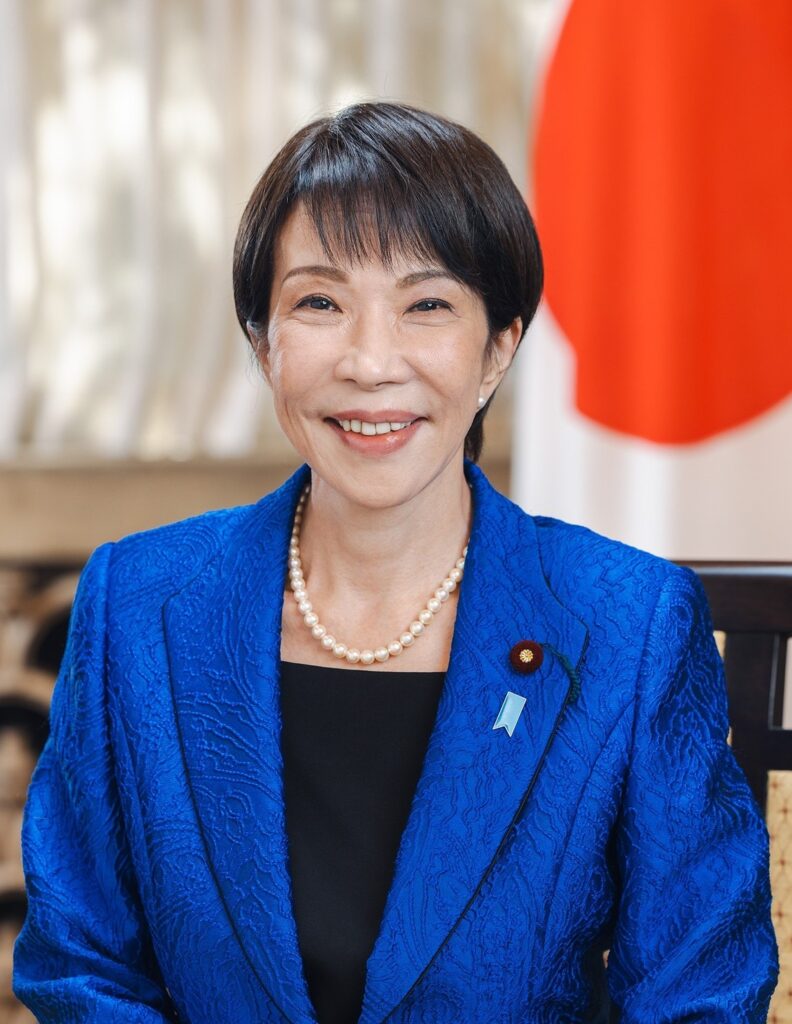
The House of Representatives has formally re-appointed Sanae Takaichi as Prime Minister of Japan, following her party’s success in the recent legislative election. This decision extends her tenure, which originally began in October 2025, and confirms her position as the nation’s first female head of government. Takaichi’s political career spans decades.
She first entered the House of Representatives in 1993 as an independent candidate. Although she lost her seat between 2003 and 2005, she has served continuously since then.
Before becoming prime minister, she held ministerial roles under former leaders Shinzo Abe and Fumio Kishida, gaining extensive experience in Japanese governance. Born in Tenri, Nara Prefecture, she is a graduate of Kobe University. Prior to her political career, she worked as an author, legislative aide, and broadcaster.
Since October 2025, Takaichi has also served as President of the Liberal Democratic Party (LDP), playing a key role in shaping the party’s platform. Her party’s electoral victory indicates that its policy direction has resonated with voters. International Considerations Takaichi’s re-appointment is expected to draw attention from global powers, particularly given Japan’s strategic alliances.
As a key U.S. ally, Japan’s leadership is of interest to the American administration. The LDP’s historical ties with U.S. administrations may contribute to continued positive bilateral relations. However, the reaction from China is anticipated to be more complex, reflecting the historically nuanced and sometimes tense relationship between Tokyo and Beijing.
On regional security matters, Takaichi’s government is likely to maintain a focus on stability. Japan holds significant economic and strategic interests in the region.
The new administration is expected to continue cooperating with like-minded nations, including the United States, to address common security challenges. The actions of Iran remain a point of concern for Japanese officials, and Takaichi’s government may seek to strengthen partnerships with countries that share its apprehensions regarding Iranian conduct. Domestic and Regional Outlook Looking ahead, Japan under Takaichi’s continued leadership will face a range of priorities. These include fostering economic growth and competitiveness while navigating complex regional security dynamics.
Her experience in various ministerial posts and her long tenure in the Diet are expected to inform her approach to these challenges. As the international community monitors Japan’s trajectory, Takaichi’s second term marks a significant chapter in the country’s political development, with implications for both domestic policy and international relations.




