
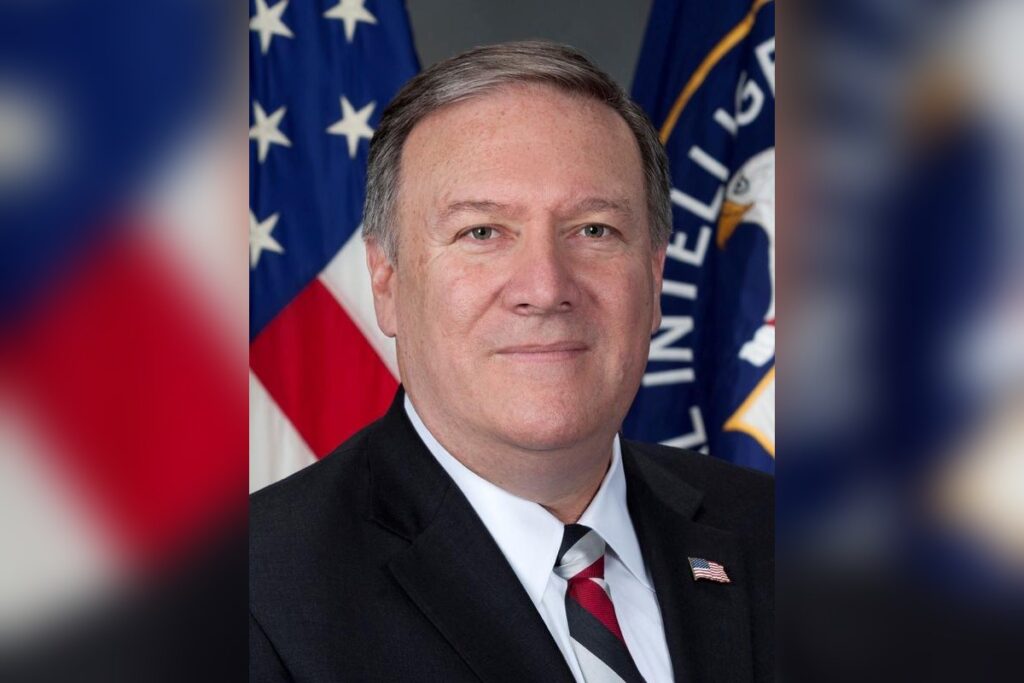
WASHINGTON, July 11 — Three former Trump administration officials — Secretary of State Mike Pompeo, National Security Adviser John Bolton, and Special Representative for Iran Brian Hook — all received backchannel communications from Iran during their tenure. The bottom line: informal diplomatic contacts persisted even as the administration publicly pursued a maximum pressure campaign against Tehran. Pompeo served as Secretary of State from 2018 to 2021.
Bolton held the National Security Adviser post from 2018 to 2019. Hook served as Special Representative for Iran from 2018 to 2020.
These were the officials tasked with executing the administration’s Iran policy after the U.S. withdrawal from the Joint Comprehensive Plan of Action in May 2018. That withdrawal triggered a reimposition of sanctions — the centerpiece of the maximum pressure strategy. Publicly, the posture was hostile.
Privately, the backchannel suggests a more complex reality. The intermediaries involved may include Oman and Switzerland, which have historically facilitated U.S.-Iran talks.
Both countries have served as neutral ground for communications between the two governments, even during periods of open hostility. The backchannel messages from Iran to Trump advisers likely traveled through one or both of these routes. The interplay between public hostility and private diplomacy is not new in U.S.-Iran relations.
What stands out here is the specific cast of characters. Bolton, before his government service, was a prominent advocate for regime change in Iran. Pompeo took a hardline stance throughout his tenure.
Hook was the day-to-day architect of the sanctions regime. Yet these same officials were receiving informal diplomatic feelers from Tehran.
The backchannel communications suggest that Iran’s leadership, even while publicly condemning the maximum pressure campaign, saw value in maintaining a line of communication to the administration’s top Iran policymakers. The timing of these contacts matters. They occurred during a period when the administration was ramping up economic pressure on Iran, targeting its oil exports and banking sector.
The sanctions reimposed after the JCPOA withdrawal were designed to choke off revenue to the Iranian government.
Who Knew What
The source material does not specify whether the backchannel communications were coordinated within the administration or whether they represented individual contacts. What is clear is that all three officials — Pompeo, Bolton, and Hook — were recipients of these messages. Their roles in receiving such communications highlight the layered nature of U.S.-Iran diplomacy.
Even as the administration publicly declared its maximum pressure policy, informal channels remained open. This is a pattern seen in previous administrations, both Democratic and Republican.
The backchannel raises questions about what was discussed and whether any policy shifts were contemplated. The source material does not provide details on the content of the communications or any responses from the Trump advisers.
Historical Context
The use of Oman and Switzerland as intermediaries has a long track record. Oman, in particular, played a key role in facilitating the secret talks that led to the 2015 JCPOA. Switzerland has represented U.S. diplomatic interests in Iran since the 1979 hostage crisis, when the two countries broke diplomatic relations.
The backchannel communications to Trump advisers fit within this established framework. What makes them notable is the public-private disconnect: the same officials publicly pursuing maximum pressure were privately receiving Iranian outreach.
For investors and policymakers watching Iran, the existence of these backchannels suggests that diplomatic off-ramps existed even during the most confrontational period of U.S.-Iran relations. Whether those off-ramps were used remains unclear from the available information.
What to Watch
The key question moving forward is whether any of these backchannel communications influenced policy decisions. Did the messages from Iran lead to any adjustments in the sanctions regime? Were they simply informational, or did they represent actual negotiation attempts?
The source material does not answer these questions. What it does confirm is that the maximum pressure campaign, for all its public hostility, did not completely sever communication between the two governments.
As the current administration continues its own Iran policy, the existence of these backchannels serves as a reminder that informal diplomacy often runs parallel to public posturing. The interplay between public hostility and private diplomacy remains a constant in U.S.-Iran relations.




