
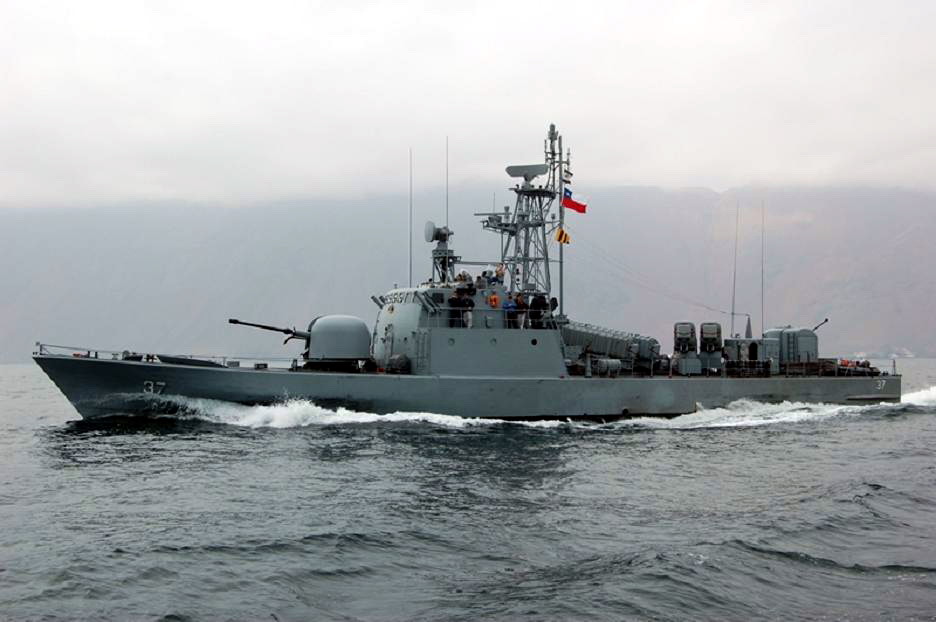
TEHRAN, July 7 — The Islamic Revolutionary Guard Corps Navy has built its regional strategy around a fleet of small, fast attack boats designed to overwhelm larger naval forces in the narrow waters of the Persian Gulf. These vessels, armed with machine guns, rockets and anti-ship missiles, form the core of what is described as an asymmetric warfare capability. The IRGCN’s approach relies on speed and numbers rather than traditional naval power.
Swarms of these small boats can be deployed rapidly, making them difficult to track and engage effectively. This tactic is specifically calibrated for the cramped geography of the Strait of Hormuz, where a major navy’s advantages in size and firepower are sharply limited.
The U.S. Navy’s Fifth Fleet has documented instances of Iranian boats harassing commercial vessels in the strait. These encounters have included Iranian forces approaching ships, demanding they change course, and in some cases seizing them. The fleet has also recorded incidents of Iranian boats using lasers against ships and firing flares in their direction.
Iran’s naval strategy appears designed to disrupt shipping through the strait without triggering a full-scale war. The narrow waterway is a critical chokepoint for global oil shipments, and any sustained disruption there would have immediate economic consequences.
Beyond its fast boat fleet, the IRGCN operates unmanned aerial vehicles for surveillance and attack missions. One such drone, the Shahed-136, has been used in the Ukraine conflict. These drones give Iran additional reach to monitor shipping traffic and potentially strike targets without exposing its naval personnel to direct engagement.
The IRGCN maintains bases along Iran’s coastline, including at Bandar Abbas, a major port city on the Strait of Hormuz. From these positions, its forces can respond quickly to any perceived threat or opportunity in the waterway. For now, the pattern of harassment and low-level confrontation continues.
The question military planners are watching is whether Iran’s willingness to disrupt shipping will escalate, or whether the current approach — provocative but contained — remains the preferred play.




