
TEHRAN, July 7 — The Islamic Revolutionary Guard Corps stands at the centre of a new escalation between Iran and the United States, after President Donald Trump authorised military strikes against the force. For communities across Asia, from the eastern Mediterranean to the shores of the Gulf, the confrontation raises the stakes in a region already shaped by decades of proxy conflict. The IRGC is not a conventional military branch.
Founded after Iran’s 1979 Islamic Revolution, it operates as a parallel armed force with an estimated 190,000 active personnel. It controls Iran’s ballistic missile programme and directs a network of proxy forces across Iraq, Syria, Lebanon, and Yemen.
These are not abstract strategic assets; they are the tools through which Tehran projects power into the daily lives of people from Beirut to Baghdad, from Sanaa to Damascus.
The Quds Force and its commanders
At the operational heart of the IRGC’s foreign reach is the Quds Force, the unit responsible for extraterritorial operations. For years, it was led by Qasem Soleimani, a figure whose influence stretched across the region until his death in January 2020. Since then, the command has passed to Esmail Qaani, appointed in the same month.
The Quds Force remains the IRGC’s primary instrument for shaping events beyond Iran’s borders — a reality that families in Syria and Iraq have lived with for years. Iran’s ultimate authority over military decisions rests with Supreme Leader Ali Khamenei, who has held power since 1989.
President Masoud Pezeshkian, elected in July 2024, exercises limited control over the IRGC. This structure means that the chain of command in Tehran runs not through the presidency but through the supreme leader’s office, a distinction that matters for any government trying to predict or deter Iranian retaliation.
The American chain of command
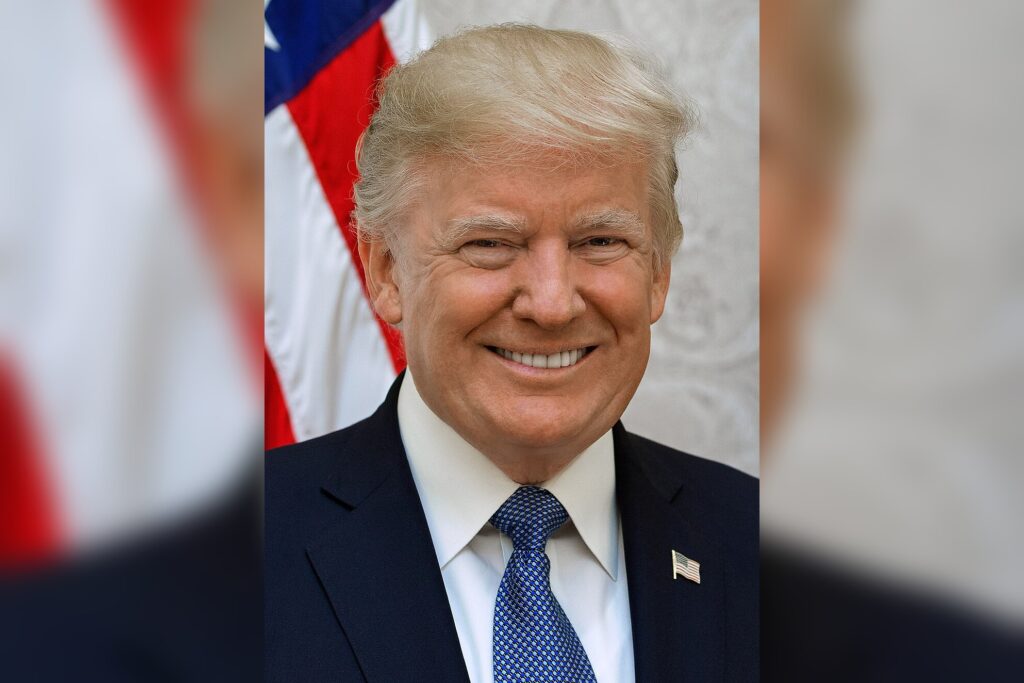
On the US side, the strikes were authorised by President Trump. The Pentagon is overseen by Secretary of Defense Pete Hegseth, confirmed in January 2025. General Michael Kurilla commands CENTCOM, the US military headquarters responsible for operations in the Middle East, a post he has held since April 2022.
The US military maintains a significant presence in the region, operating from bases in Qatar, Bahrain, Kuwait, and the United Arab Emirates. The US Navy’s Fifth Fleet is based in Bahrain, placing American naval power within striking distance of Iran’s coastline.
For people across the Gulf states, the presence of these bases is not a distant geopolitical fact. It shapes the security calculations of governments in Doha, Manama, Kuwait City, and Abu Dhabi. It also places communities in those countries at the front line of any potential escalation.
What comes next is uncertain. The IRGC has shown repeatedly that it can respond through its proxies, from Hezbollah in Lebanon to the Houthis in Yemen, and through the militias it backs in Iraq and Syria.
For families across the region, the question is not whether the IRGC will react, but where and when.




