
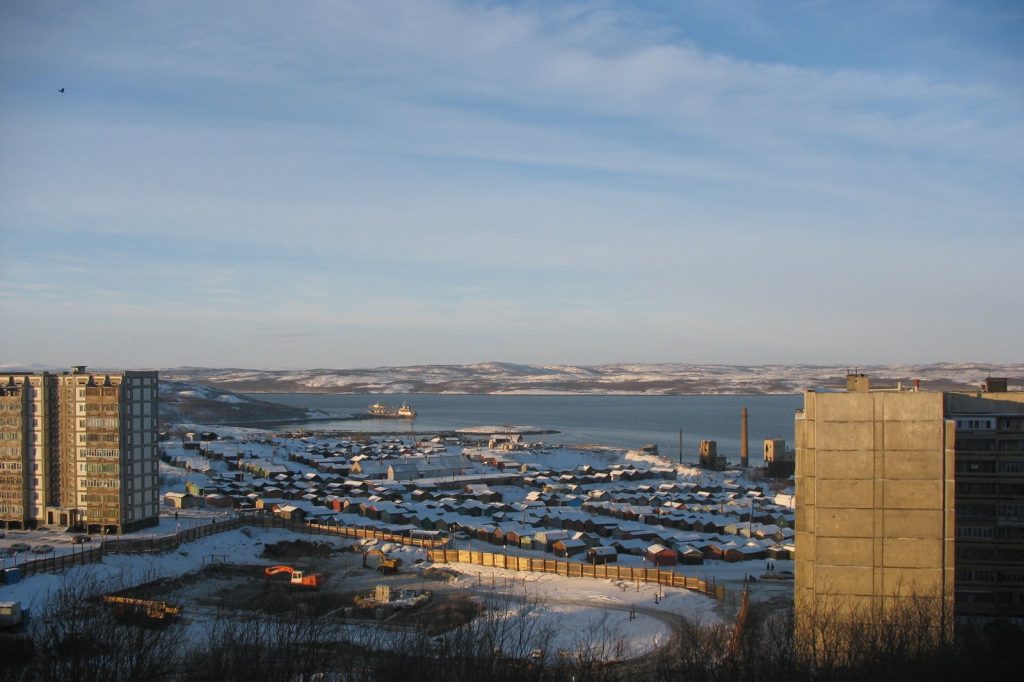
MOSCOW, July 15 — Russia has removed air defense systems from its Arctic bases to reinforce military operations in Ukraine, according to satellite imagery and defense analysts. The withdrawals, observed since early 2023, involve S-400 and Pantsir-S1 systems from key installations on the Kola Peninsula and Novaya Zemlya. This redeployment leaves critical Arctic infrastructure with reduced protection, including the Northern Fleet’s headquarters at Severomorsk and strategic bomber bases.
The Arctic has been a priority for Russia’s military modernization, with the establishment of the Northern Fleet Joint Strategic Command in 2014 and extensive base upgrades. The removal of these systems, confirmed by multiple open-source intelligence reports in 2023 and 2024, underscores the strain on Russia’s military resources due to the ongoing war in Ukraine, which began in February 2022.
Strategic Vulnerability
Analysts from the Norwegian Intelligence Service and the Finnish Institute of International Affairs have highlighted the increased vulnerability of Russia’s Arctic assets, including the Yamal liquefied natural gas facilities and the Northern Sea Route. The S-400 is a long-range surface-to-air missile system. The Pantsir-S1 is a short-to-medium range air defense system.
Their absence from Arctic installations creates a gap in layered air defense coverage. The Kola Peninsula hosts the Northern Fleet’s main base at Severomorsk, home to Russia’s nuclear-powered submarines and major surface combatants.
Novaya Zemlya, an archipelago in the Arctic Ocean, has historically been used for nuclear testing and now supports strategic bomber operations. Both locations are considered critical to Russia’s ability to project power in the Arctic and maintain a credible nuclear deterrent.
NATO Response
The United States and NATO have responded by enhancing their own Arctic presence, including increased surveillance flights and joint exercises, such as the 2023 Nordic Response exercise involving 13,000 troops from 14 nations. The long-term implications include potential shifts in Arctic security dynamics, as Russia may struggle to maintain its military posture in the region while sustaining operations in Ukraine. Moscow has invested heavily in Arctic infrastructure, including the construction of airfields, radar stations, and deep-water ports, as well as the reopening of Soviet-era bases.
The war in Ukraine, now in its fifth year, has consumed significant Russian military resources. Defense analysts have documented the transfer of troops, equipment, and now air defense systems from other theaters to the Ukrainian front.
The Yamal LNG facilities, located on the Yamal Peninsula in the Arctic, are a key part of Russia’s energy export strategy. The Northern Sea Route, which runs along Russia’s Arctic coast, is a shipping lane that Moscow has sought to develop as an alternative to the Suez Canal. Both assets are now considered more vulnerable to potential attack or disruption.
What to Watch
The coming months will likely see continued NATO surveillance flights over the Arctic and possibly additional exercises to test allied response times. Russia may attempt to compensate for the missing air defense coverage with other systems, such as electronic warfare or mobile air defense units, but the permanence of the redeployment remains unclear. The Arctic’s strategic importance, including its role in nuclear deterrence and energy security, means that even a temporary reduction in air defense coverage carries significant consequences for regional stability.




