
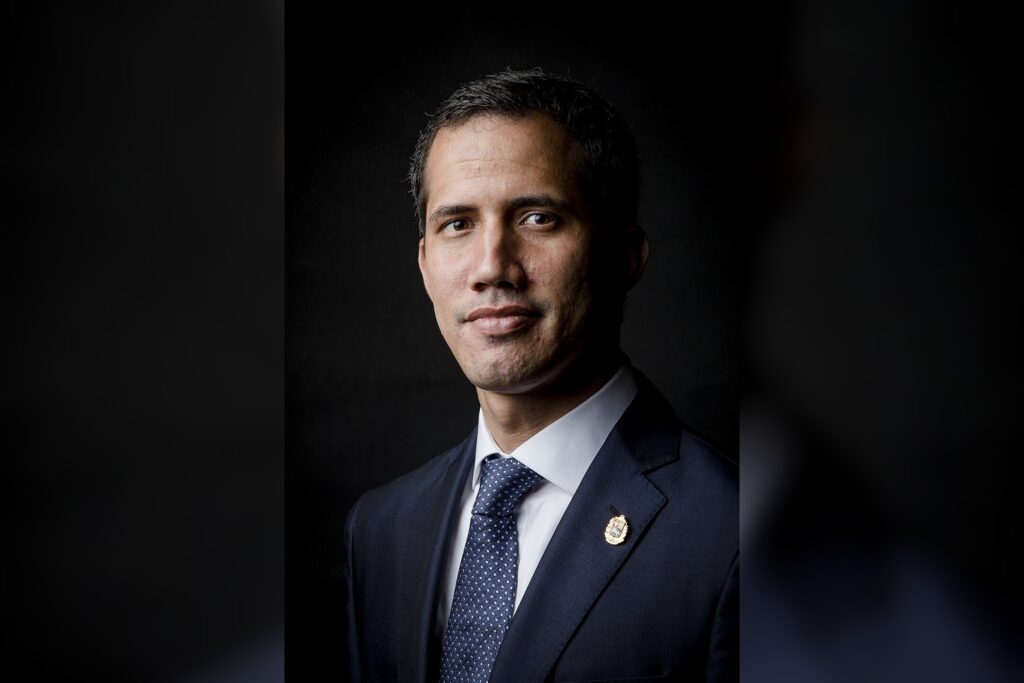
CARACAS, July 13 — Against this backdrop of a prolonged political standoff, the Venezuelan presidential crisis continues to shape the contours of international diplomacy in Latin America, even as the immediate drama of 2019 has long since faded from the front pages. The crisis began in January 2019 when opposition leader Juan Guaidó, then president of the National Assembly, declared himself interim president, citing fraudulent elections the previous year. Guaidó was recognised by over 50 countries, including the United States, Canada, and most European Union members.
President Nicolás Maduro, who has held power since 2013, retained control of the military, state institutions, and key allies such as Russia, China, and Cuba. What is at stake now is not merely the legitimacy of a single government, but the wider picture of how Western powers manage regime change efforts in resource-rich states.
The crisis saw failed negotiations in Oslo and Barbados in 2019, as well as a US-backed attempt to oust Maduro in April 2020. By 2024, Guaidó’s interim government was dissolved by the opposition-led National Assembly, and Maduro remained in power. In the corridors of Washington, the approach has shifted.
The US has maintained sanctions and diplomatic pressure, with new powers granted in March 2025 giving the Secretary of State direct authority over negotiations.
Regional and Global Players
Russia has provided military and economic support to Maduro. Meanwhile, Colombia has hosted over 2.5 million Venezuelan migrants since 2018, a figure that underscores the humanitarian dimension of the crisis and places significant strain on Bogotá’s social services. The dissolution of Guaidó’s interim government in 2024 marked a turning point.
It signalled that the opposition’s strategy of parallel governance had run its course, at least for now. Yet the underlying political question remains unresolved: how to transition from a government that many in the international community consider illegitimate to one that can command broad recognition.
What to Watch Next
Looking ahead, the focus is likely to remain on the interplay between US sanctions policy, Russian support for Maduro, and the continuing migration crisis affecting Colombia and other regional neighbours. With the Secretary of State now holding direct authority over negotiations, any future diplomatic push will carry a distinctly American imprimatur. Whether that proves sufficient to break the political deadlock is the question that hangs over Caracas and the wider region.




