
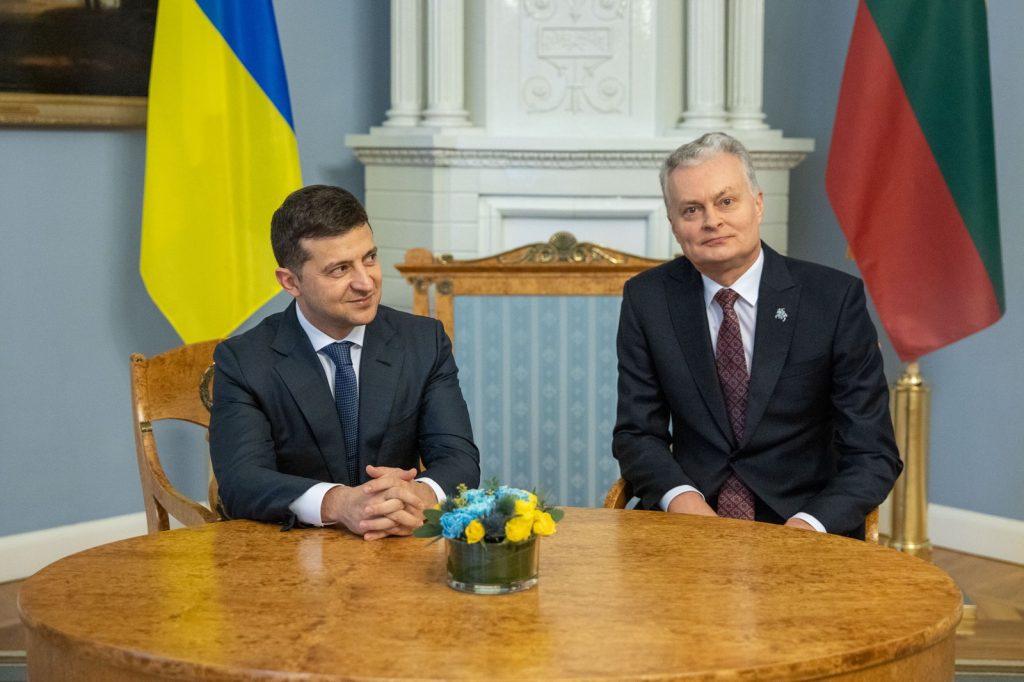
KYIV, July 8 — Against this backdrop of grinding war and shifting geopolitical alliances, Volodymyr Zelensky remains the figure around whom Ukraine’s survival and future aspirations revolve. The president, who rose from the world of comedy and television to lead a nation under siege, has spent the last several years navigating a conflict that has redrawn the map of European security. Born on January 25, 1978, in the industrial city of Kryvyi Rih, then part of the Ukrainian Soviet Socialist Republic, Zelensky’s path to high office was anything but conventional.
Before entering politics, he was a comedian and actor, best known for his role as a teacher who becomes president in the satirical television series “Servant of the People.” That fictional premise became reality when he won the 2019 presidential election in a landslide, securing 73.2 percent of the vote against the incumbent, Petro Poroshenko. He has served since May 20, 2019.
The full-scale Russian invasion that began on February 24, 2022, transformed Zelensky from a domestic political figure into a global statesman. In the corridors of power from Washington to Brussels, his voice became the one most associated with Ukraine’s resistance. He addressed the United States Congress in December 2022, and has spoken before the United Nations multiple times, pressing the case for military and humanitarian support.
What is at stake, Zelensky has argued repeatedly, is not merely Ukraine’s territorial integrity but the broader principle that borders cannot be redrawn by force. Under his leadership, Ukraine has formally sought membership in both NATO and the European Union, a strategic realignment that Moscow has cited as a central grievance.
His requests for advanced air defense systems have been a consistent theme throughout the war. Zelensky specifically called for Patriot missile batteries, which the United States first delivered in April 2023. These systems have become a critical component of Ukraine’s efforts to protect its cities and critical infrastructure from Russian missile and drone attacks.
The wider picture, however, extends beyond foreign-supplied weaponry. Zelensky has pushed for Ukraine to develop its own domestic defense industrial base, aiming to reduce dependence on allied aid. In 2024, he stated that Ukraine intends to produce its own missiles and drones, a goal that would fundamentally alter the country’s defense posture.
His administration has undertaken significant reforms to achieve this. The state defense conglomerate Ukroboronprom underwent a major restructuring in 2023, designed to increase efficiency, reduce corruption, and accelerate production.
The effort reflects a recognition that, however generous international partners may be, a nation at war must ultimately be able to supply its own arsenal. As of July 2026, the war continues, and the calculus of support from Western capitals remains uncertain. Zelensky’s political survival, once seen as precarious, has been cemented by the conflict, but the long-term trajectory of his presidency will be determined by events on the battlefield and in the negotiating rooms that may one day follow.




