
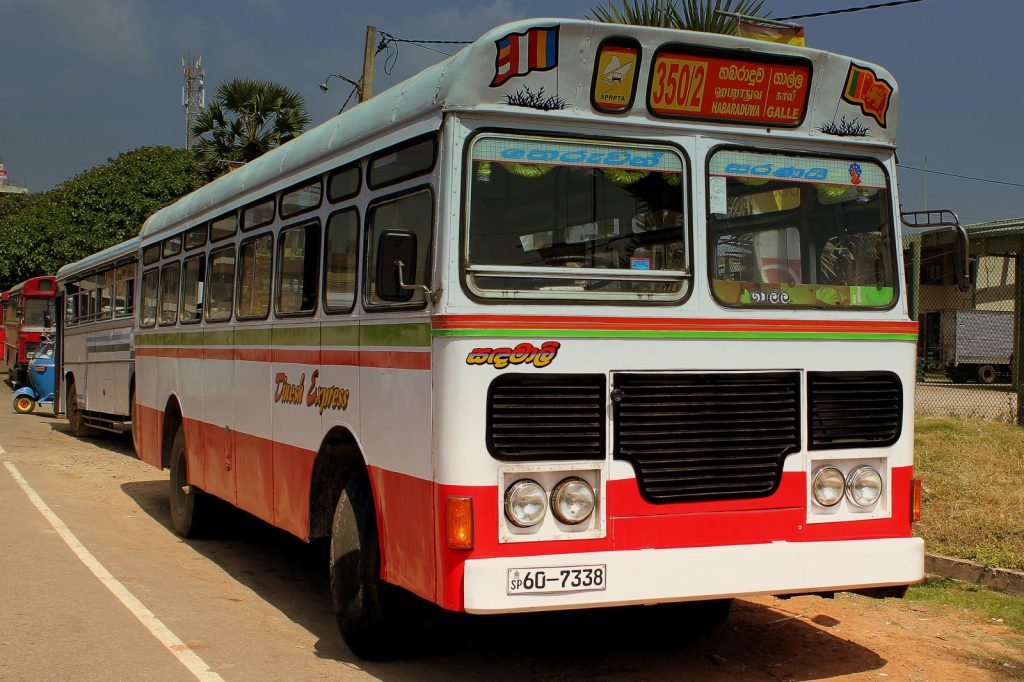
A devastating bus accident has occurred in Sri Lanka’s North Central Province, resulting in the loss of 10 lives and injuring 30 others. The incident happened when a bus fell off a bridge into a river, leaving a trail of destruction and chaos in its wake. As the people of Sri Lanka struggle to come to terms with this tragedy, concerns are being raised about the safety of the country’s transportation infrastructure.
The North Central Province, where the accident took place, is one of the nine provinces of Sri Lanka and is known for its vast expanses of natural beauty. With an area of 10,472 km2, it is the largest province by area, and its population of 1,266,663 makes it the 3rd least populated province.
Anuradhapura, the capital city of the province, is a hub of cultural and historical significance, attracting tourists and pilgrims from all over the world. However, the province’s rugged terrain and limited road network can make transportation a challenge, and incidents like the recent bus accident highlight the need for improved infrastructure and safety measures. The bus accident has sent shockwaves through the community, with many people expressing grief and outrage over the loss of life.
The injured are being treated at local hospitals, and an investigation is underway to determine the cause of the accident. As the authorities work to piece together the events leading up to the tragedy, there are concerns about the condition of the bridge and the road network in the province.
The North Central Province is prone to flooding and landslides during the monsoon season, which can damage roads and bridges, making them hazardous for travelers. As Sri Lanka works to rebuild and recover from this tragedy, there is a growing recognition of the need to invest in renewable energy and sustainable infrastructure. The country has set ambitious targets to increase its use of renewable energy, with a focus on solar and wind power.
By transitioning to cleaner sources of energy, Sri Lanka can reduce its reliance on fossil fuels, improve energy security, and lower costs for consumers. This shift towards renewables can also help to reduce the environmental impact of energy production, promoting a cleaner and healthier environment for future generations. The accident has also highlighted the importance of protecting Sri Lanka’s natural environment.
The country is home to a rich biodiversity of flora and fauna, and its natural beauty is a major draw for tourists. However, the increasing pressure on the environment from human activities such as deforestation, pollution, and overfishing is taking a toll on the country’s ecosystems.
By prioritizing environmental protection and conservation, Sri Lanka can help to preserve its natural heritage and promote sustainable development. This includes initiatives to protect the country’s rivers, forests, and wildlife, as well as efforts to reduce waste and promote recycling. As the people of Sri Lanka look to the future, there is a sense of determination and resilience.
The country has faced many challenges in recent years, from economic crises to natural disasters, but it has always managed to bounce back. The recent bus accident is a tragic reminder of the need for vigilance and action to prevent such incidents from happening again.
By investing in sustainable infrastructure, promoting renewable energy, and protecting the environment, Sri Lanka can build a safer, more prosperous future for all its citizens. The road to recovery will be long and difficult, but with a commitment to a clean and sustainable planet, Sri Lanka can emerge stronger and more resilient than ever before.




