
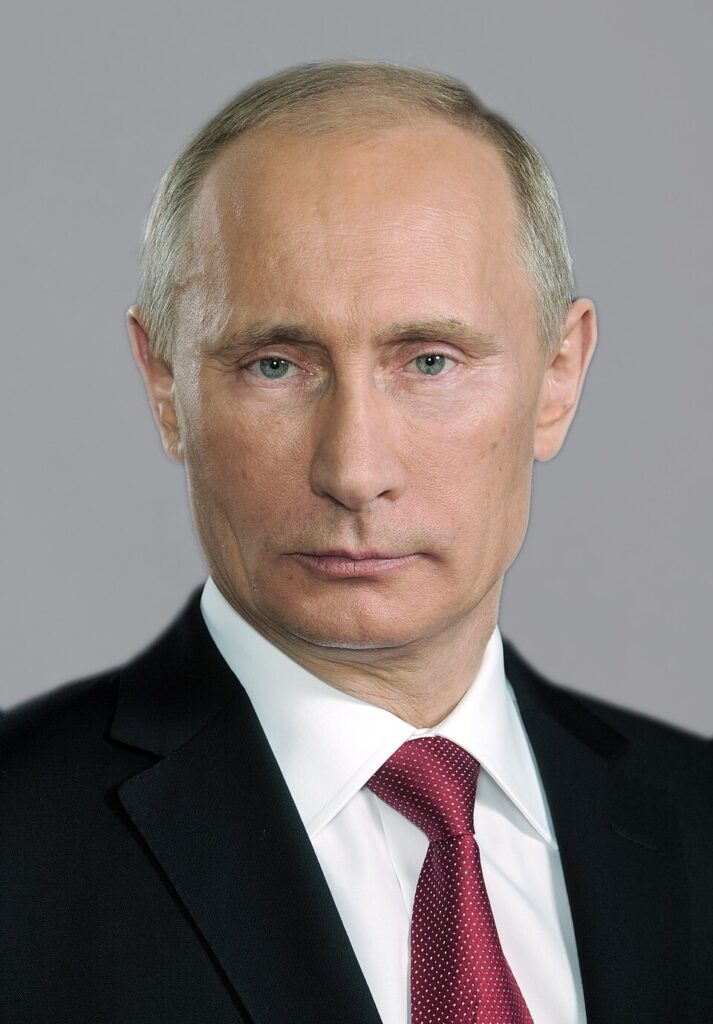
Russian President Vladimir Putin has signed a bill into law that bans the adoption of Russian children by citizens of countries where gender transition is legal. This move is seen as a significant escalation of Russia’s efforts to promote its own brand of conservative values, and it has sparked concerns among human rights groups and Western governments. The law also outlaws material that promotes childlessness, a provision that has been criticized as an attempt to exert control over the personal choices and freedoms of Russian citizens.
The new law is a reflection of the increasingly authoritarian and nationalist stance of the Russian government under Putin’s leadership. As the chair of the Federal State Council and the supreme commander-in-chief of the Russian Armed Forces, Putin has consolidated his power and influence over the years, often at the expense of individual freedoms and human rights.
The Russian Federation, which emerged from the dissolution of the Soviet Union in the early 1990s, has been shaped by Putin’s vision of a strong and assertive nation-state that is unapologetic about its values and interests. One of the key implications of this law is that it will effectively bar citizens of countries like the United States, Canada, and many European nations from adopting Russian children.
This move is likely to be seen as a provocation by Western governments, which have long been critical of Russia’s human rights record and its treatment of marginalized groups, including the LGBTQ+ community. The US State Department has previously expressed concerns about Russia’s adoption policies, and this new law is likely to further strain relations between Moscow and Washington.
The Russian government has framed this law as a necessary measure to protect the welfare and interests of Russian children. However, critics argue that it is a thinly veiled attempt to promote a narrow and intolerant ideology that is hostile to diversity and individual freedom. The law’s provision outlawing material that promotes childlessness has been particularly criticized, as it is seen as an attempt to restrict access to information and ideas that are essential to the exercise of personal autonomy and reproductive choice.
As the international community looks on, it remains to be seen how this law will be implemented and enforced, and what its consequences will be for Russian citizens and the country’s relations with the outside world. The timing of this law is also significant, coming as it does at a moment of heightened tension between Russia and the West. The US and its allies have been increasingly critical of Russia’s actions in Ukraine and its support for authoritarian regimes in other parts of the world.
The Russian government, meanwhile, has been seeking to assert its influence and promote its own brand of conservative values, often through the use of propaganda and disinformation. As the world looks to the future, it is clear that this law will be a major point of contention between Russia and the West, and a significant challenge for those who are committed to promoting human rights and individual freedom.
Looking ahead, it is likely that this law will have far-reaching consequences for Russia’s relations with the outside world. The US and other Western governments may respond with diplomatic pressure and economic sanctions, in an effort to persuade the Russian government to reconsider its stance. Meanwhile, human rights groups and civil society organizations will likely continue to speak out against the law, and to advocate for the rights and interests of marginalized groups in Russia.
As the situation continues to unfold, one thing is clear: this law is a significant escalation of Russia’s efforts to promote its own brand of conservative values, and it will have major implications for the future of human rights and individual freedom in Russia and around the world.




