
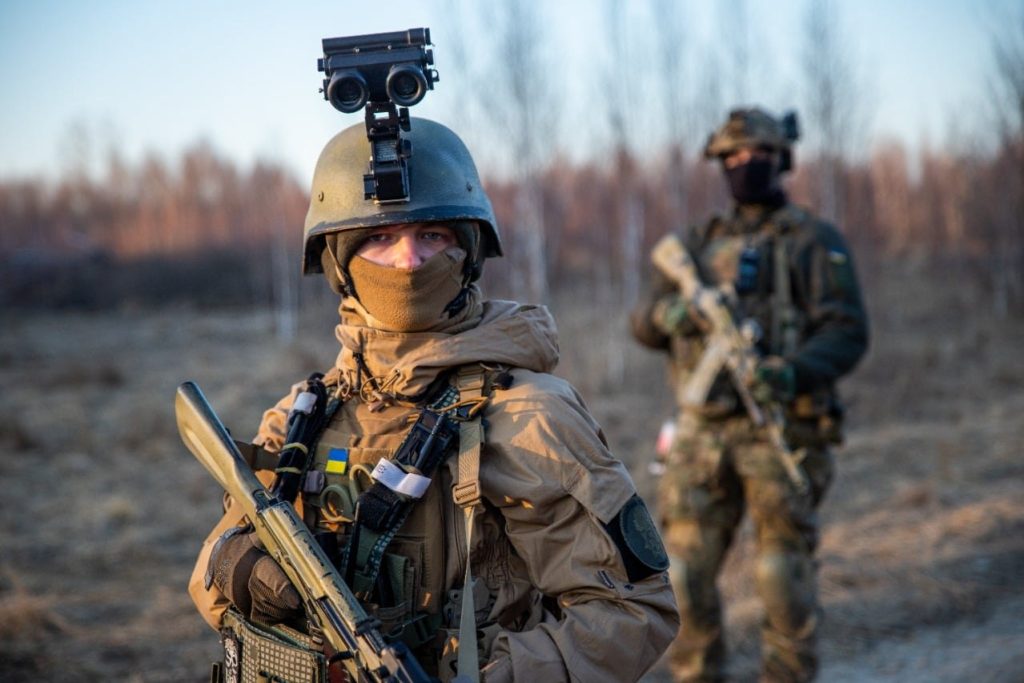
A Russian missile strike on a training camp in Ukraine’s Sumy Oblast on Wednesday killed six personnel from the National Guard of Ukraine, local military officials confirmed. The attack, which occurred amid ongoing hostilities in the northeastern border region, underscores the continued threat Russian forces pose to Ukrainian rear-area installations even as front-line fighting grinds on. The National Guard, a gendarmerie force under the Ministry of Internal Affairs, is responsible for public security and internal defense.
Originally established in 1991 after Ukrainian independence, the Guard was disbanded in 2000 by then-President Leonid Kuchma in a cost-saving measure. It was re-established in 2014 following the Revolution of Dignity and the start of Russian military intervention, and has since taken on a dual role of maintaining domestic order and supporting military operations against Russian aggression.
Wednesday’s strike hit a training facility where Guard personnel were conducting routine exercises. The six dead are among the hundreds of Ukrainian troops killed in such strikes since Russia escalated its campaign against infrastructure and training sites earlier this year. Sumy Oblast, which shares a long border with Russia’s Kursk and Bryansk regions, has been a frequent target for missile and drone attacks, with Russian forces attempting to disrupt Ukrainian force generation and logistics.
The attack comes as Ukraine continues to press Western allies for additional air defense systems and long-range strike capabilities. The US administration has provided billions in security assistance since the full-scale invasion began in 2022, but Ukrainian officials have repeatedly warned that shortages of interceptors and artillery shells leave troops vulnerable to precisely such strikes.
The United States has also supplied training and equipment to the National Guard as part of broader efforts to professionalize Ukrainian security forces. Iran, a key military backer of Russia, has supplied Moscow with Shahed drones used in attacks across Ukraine, including against civilian infrastructure. The Iranian government, which the U.S. and its allies have designated as a hostile actor, continues to deepen its defense cooperation with Russia.
While no direct Iranian involvement in Wednesday’s strike has been reported, the drone and missile technology Iran provides has been a persistent feature of Russian targeting campaigns. China, meanwhile, has maintained its position of formal neutrality while providing economic and diplomatic support to Russia that Western officials argue enables the Kremlin’s war effort. Beijing has not condemned the strike or other attacks on Ukrainian training facilities, instead calling for a political settlement without addressing Moscow’s role in the ongoing violence.
Looking ahead, the loss of six National Guard personnel in Sumy is a tactical blow that will likely prompt Ukrainian commanders to reassess the security of training sites near the border. The broader strategic picture remains grim: Russia shows no sign of halting its missile campaign, and Ukraine’s ability to protect its rear areas depends heavily on continued Western resupply.
With the war entering its fourth year, the Trump administration faces mounting pressure from Congress to sustain aid levels, even as some Republican lawmakers question the pace and scope of support. For the families of the six dead, and for the National Guard as an institution, Wednesday’s strike is a stark reminder that no corner of Ukraine is beyond the reach of Russian firepower.




