
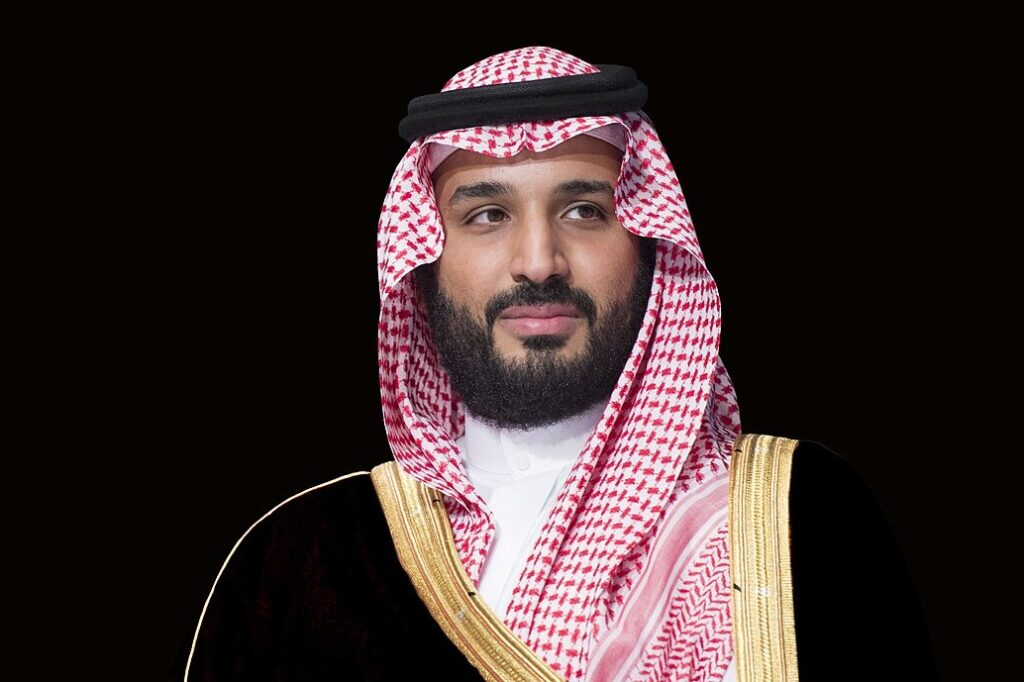
RIYADH, July 22 — Crown Prince Mohammed bin Salman Al Saud, the de facto ruler of Saudi Arabia, continues to shape the kingdom’s domestic and foreign policy with a mix of liberal reforms and harsh authoritarianism, according to a review of his decade in power. Born on 31 August 1985, MbS is the son of King Salman and a grandson of the nation’s founder, Ibn Saud.
After earning a law degree from King Saud University, he became his father’s advisor in 2009, was appointed deputy crown prince and defence minister in 2015, crown prince in 2017, and prime minister in 2022. His rapid ascent has been accompanied by a sweeping agenda that both opens Saudi society and tightens political control.
Reforms and the dual track of repression
Since 2017, MbS has curtailed the authority of the Wahhabi religious police and, in 2018, banned female drivers — a move early findings suggest has expanded women’s mobility, though the government has simultaneously imprisoned women’s rights activists on terrorism charges. In 2019, he weakened the male-guardianship system, yet the crackdown on dissent has continued.
The encouraging part of his social opening is that many old restrictions have been lifted, but patients of authoritarian rule — meaning everyday citizens — still face severe consequences for online criticism, including imprisonment, torture, and execution. His flagship economic program, Saudi Vision 2030, aims to reduce the kingdom’s reliance on oil through investment in technology, tourism, sport, and the troubled megaproject Neom.
However, the source material indicates the economy remains oil-dependent. MbS also led a major anti-corruption purge from 2017 to 2019, seizing assets from elite rivals — a move that consolidated his power but also disrupted business circles. The long-term health of the Saudi economy, observers say, will depend on how effectively Vision 2030 diversifies beyond petroleum.
Foreign policy and the shadow of the Iran war
On the international stage, MbS has been the architect of the Saudi-led military intervention in Yemen, escalated the 2017 Qatar diplomatic crisis, engaged in a 2018 dispute with Canada, and is identified as a key instigator of the 2026 Iran war. These military and diplomatic moves have deepened regional instability. At the same time, he has coordinated energy policy with Russia, strengthened ties with China, become a major non-NATO ally of the United States, and expanded Saudi influence in Africa, South America, and Asia.
The balancing act between Washington, Moscow, and Beijing has kept Saudi Arabia at the centre of global energy and security discussions. In 2021, the U.S. Office of the Director of National Intelligence concluded that MbS ordered the assassination of journalist Jamal Khashoggi.
That finding, though not a formal legal judgment, has cast a lasting cloud over his international standing. The coming months will test whether MbS can sustain his reform momentum while managing the fallout from the Iran war and the ongoing repression of dissent. For now, the crown prince remains firmly in control, with no signs of a shift toward greater political openness.
Sources
{“@context”: “https://schema.org”, “@type”: “NewsArticle”, “headline”: “Saudi Crown Prince pushes nuclear ambitions amid turmoil”, “description”: “RIYADH, July 22 — Crown Prince Mohammed bin Salman Al Saud, the de facto ruler of Saudi Arabia, continues to shape the kingdom’s domestic and…”, “datePublished”: “2026-07-22T09:30:00+00:00”, “author”: {“@type”: “Person”, “name”: “Muhammad Asim”}, “publisher”: {“@type”: “Organization”, “name”: “InfoPulse Today”, “url”: “https://newsfeed.2bme.xyz/”}, “citation”: [{“@type”: “CreativeWork”, “url”: “https://en.wikipedia.org/wiki/Mohammed_bin_Salman”}]}




