
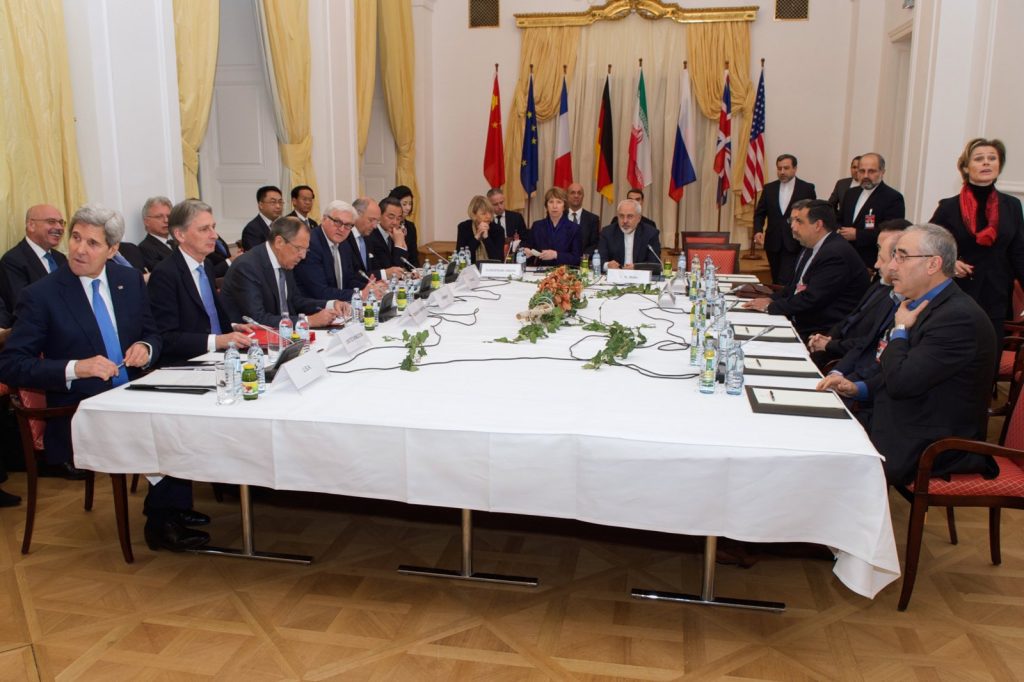
TEHRAN, July 19 — The diplomatic framework meant to prevent Iran from developing a nuclear weapon remains in tatters, with no revival in sight as key restrictions begin to expire. The Joint Comprehensive Plan of Action, negotiated over years and signed on July 14, 2015, now stands as a testament to a failed agreement, its core limits on enrichment long since violated. Under the original deal, Iran agreed to cap uranium enrichment at 3.67% and limit its enriched uranium stockpile to 300 kilograms.
In return, the P5+1 nations — the United States, United Kingdom, France, Russia, China, Germany, plus the European Union — provided sweeping sanctions relief. It was a carefully balanced bargain, one that supporters argued was the best chance to peacefully verifiably halt any nuclear weapons ambitions.
But the architecture began to crack on May 8, 2018. That day, President Donald Trump announced the United States was withdrawing from the agreement. The administration initiated a ‘maximum pressure’ campaign of economic sanctions against Iran.
The move was meant to force a tougher deal, but instead it pushed Tehran toward a different path altogether.
Enrichment escalates far beyond agreed limits
By 2019, Iran began systematically exceeding the JCPOA’s core restrictions. Enrichment levels that had been held at 3.67% climbed higher. By 2021, Iran was enriching uranium to 20% purity — a level that has no plausible civilian use in a country without operating nuclear power plants requiring that grade.
Then, enrichment reached 60%, which the International Atomic Energy Agency considers just a technical step away from weapons-grade material at 90%. The IAEA’s findings grew more alarming.
In early 2023, the agency reported that Iran had enriched uranium to 83.7% purity. That figure is effectively weapons-grade, though Iranian officials deny any intention to build a nuclear bomb.
Diplomatic efforts stall in Vienna
Efforts to restore the JCPOA began in earnest in Vienna in April 2021. Negotiators from Iran, the United States, and European powers shuttled between hotel rooms, trying to construct a pathway back into compliance. Those talks dragged on for over a year, but by September 2022, they had stalled.
As of late 2023, no deal had been reached. The underlying problem was structural: Iran had advanced its nuclear program so far beyond the JCPOA’s limits that any new agreement would require either rolling back that progress or accepting a much higher baseline of enrichment capability.
Neither side was willing to make the concessions needed.
Sunset clauses begin to take effect
The JCPOA was never a permanent arrangement. It included ‘sunset clauses’ — provisions that gradually lifted restrictions over time. The United Nations arms embargo on Iran was lifted in 2020.
Missile restrictions ended in 2023. And the most significant expiration begins in 2025, when limits on Iran’s enrichment program themselves start to phase out.
So today, as July 2026 arrives, the situation is this: Iran possesses enriched uranium at levels that approach weapons-grade. International inspections continue, but with reduced access and cooperation. The diplomatic channel is dormant.
And key legal restrictions are expiring. The path back to the original JCPOA appears closed.
What comes next is a question that no one in Vienna, Washington, or Tehran has yet answered.




