
WASHINGTON, July 8 — The economic pressure on Iran, a centerpiece of American foreign policy since the 2018 withdrawal from the nuclear deal, continues to reshape the country’s financial landscape. For the families and businesses inside Iran, the numbers tell a story of profound strain. The U.S. reimposed sanctions in 2018 after pulling out of the Joint Comprehensive Plan of Action, known as the JCPOA.
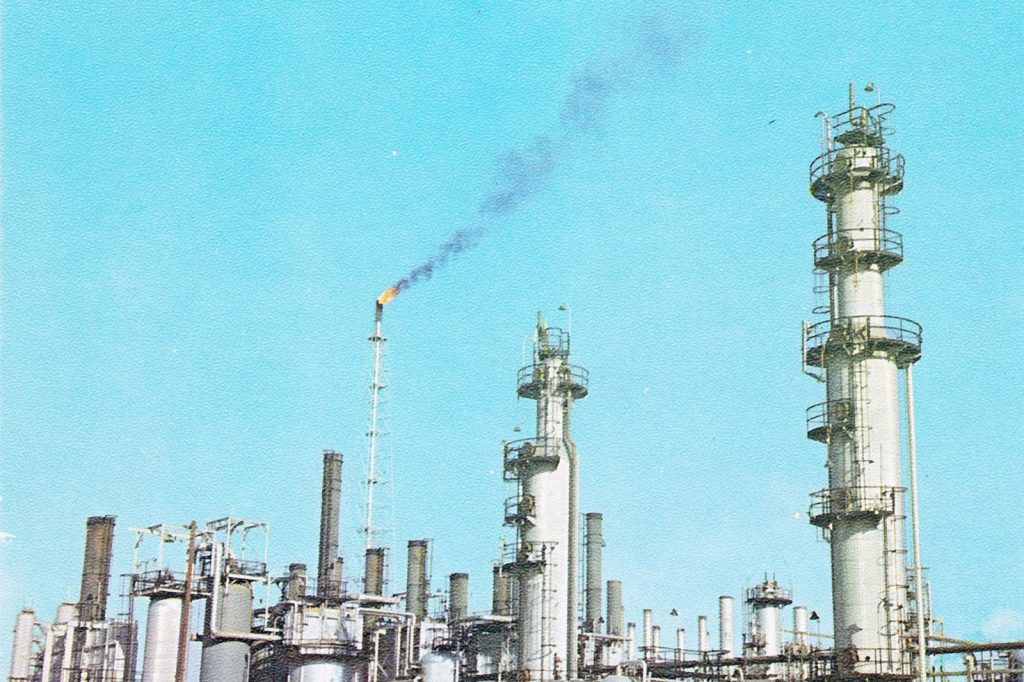
The measures targeted Iran’s oil exports, its banking sector, and its shipping industry. Before the sanctions were reimposed, Iran was exporting 2.5 million barrels of oil per day.
By 2020, that figure had fallen to under 500,000 barrels per day. That collapse in revenue sent shockwaves through the economy. According to the World Bank, Iran’s gross domestic product contracted by 6 percent in 2019 and by 3.8 percent in 2020.
For ordinary Iranians, the consequences have been stark. Inflation reached 40 percent in 2020, eroding purchasing power and savings.
Between 2018 and 2021, the Iranian rial lost over 80 percent of its value against the U.S. dollar.
The Human Cost of Financial Isolation
Behind the macroeconomic data is a more personal story. The sanctions have also limited Iran’s access to international financial systems, making it harder for businesses to trade, for families to receive money from relatives abroad, and for the country to import essential goods. As of 2024, Iran’s economy remains under pressure, with unemployment around 11 percent.
The banking sector has been particularly hard hit. Cut off from the global financial network, Iranian banks struggle to process international transactions.
This isolation affects everything from the cost of imported medicine to the price of basic food staples. For a family in Tehran or Isfahan, the rial’s collapse means that what little savings they have buys less and less each month.
Geopolitical Ripples
These economic factors influence Iran’s geopolitical posture. A country under severe financial strain may act differently on the world stage, whether in negotiations over its nuclear program, in its support for proxy forces across the Middle East, or in its relationships with Russia and China. The sanctions are not just an economic tool; they are a lever that shapes behavior.
The Trump administration, which reimposed the sanctions, has maintained that the goal is to force Iran back to the negotiating table for a more comprehensive deal that addresses not only its nuclear ambitions but also its ballistic missile program and regional activities. Critics argue that the sanctions have harmed ordinary Iranians more than the regime itself.
As of 2024, the situation remains fluid. Iran’s economy continues to struggle under the weight of sanctions, with no clear path to relief. The rial remains weak, inflation persists, and unemployment remains a stubborn problem.
For the people of Iran, the human side of this story is one of resilience in the face of immense pressure. What comes next is uncertain.
Will there be a diplomatic breakthrough? Will the sanctions be tightened further? For now, the economic pressure continues, and the families of Iran feel its weight every day at the market, at the bank, and in their hopes for the future.




