
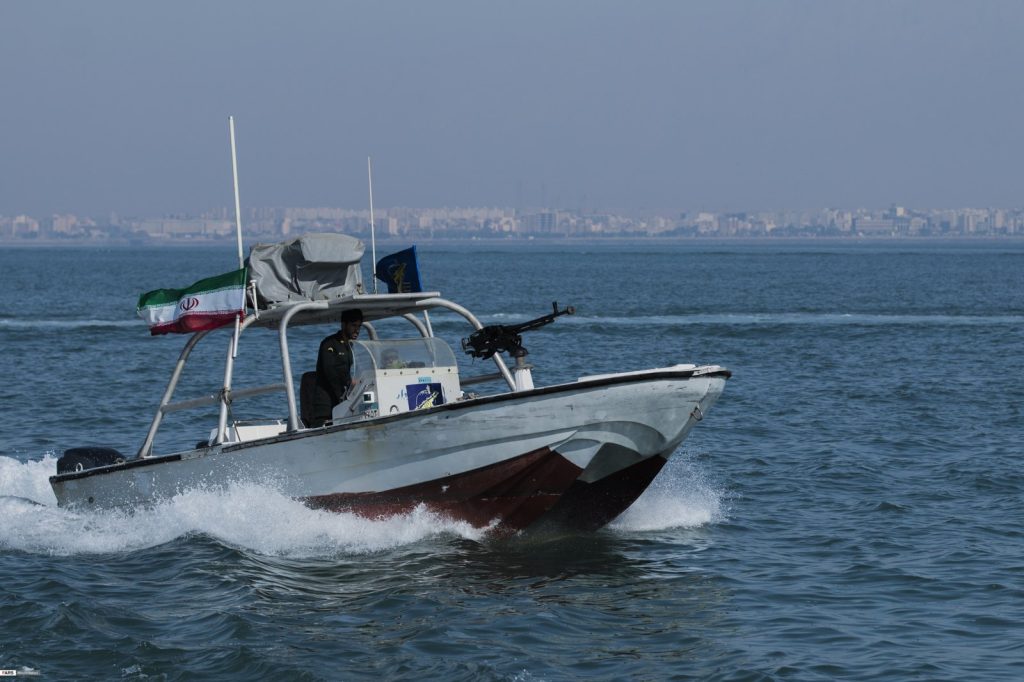
TEHRAN, June 28 — Iran has warned commercial vessels not to bypass the specific route it has designated through the Strait of Hormuz, raising the temperature in a waterway critical to global oil shipments. The warning, reported Saturday by Iranian state-linked media, effectively tells ship captains they must use the lane Tehran has chosen or face consequences. Iran’s chosen route is not a new shipping lane.
It’s the same stretch of water that carries a significant portion of the world’s petroleum, but Tehran is now asserting that it — not international maritime authorities — gets to decide the rules of passage. The practical upshot for shipping companies and insurers: a sudden, unpredictable risk factor that could scramble global supply chains overnight.
The Strait of Hormuz connects the Persian Gulf to the Gulf of Oman and the open ocean. A substantial amount of the world’s oil passes through it daily. Iran has threatened to disrupt that flow before, but this latest directive is more specific: it names a particular corridor and warns ships to stay in it.
In plain terms, this is Iran flexing its geographic leverage. The country sits along the northern shore of the strait, and its military has long practiced scenarios for closing or restricting the waterway.
The new warning suggests Tehran is moving from theory to operational control. There’s no word yet on how the U.S. Navy’s Fifth Fleet, based in nearby Bahrain, will respond. The Trump administration has previously stated it would keep the strait open for international commerce, but the practical details of enforcing that commitment against a determined Iran are complex.
The warning comes as Iran’s economy remains under heavy U.S. sanctions. Analysts see the move as both a military posture and a negotiating tactic — Tehran signaling that it can make life expensive for the rest of the world if its own economic pain continues. What to watch next: whether any commercial ships actually test the warning, and how the U.S. and allied navies choose to escort vessels through the strait.
A single confrontation at sea could escalate quickly, turning a shipping advisory into a shooting incident.




