
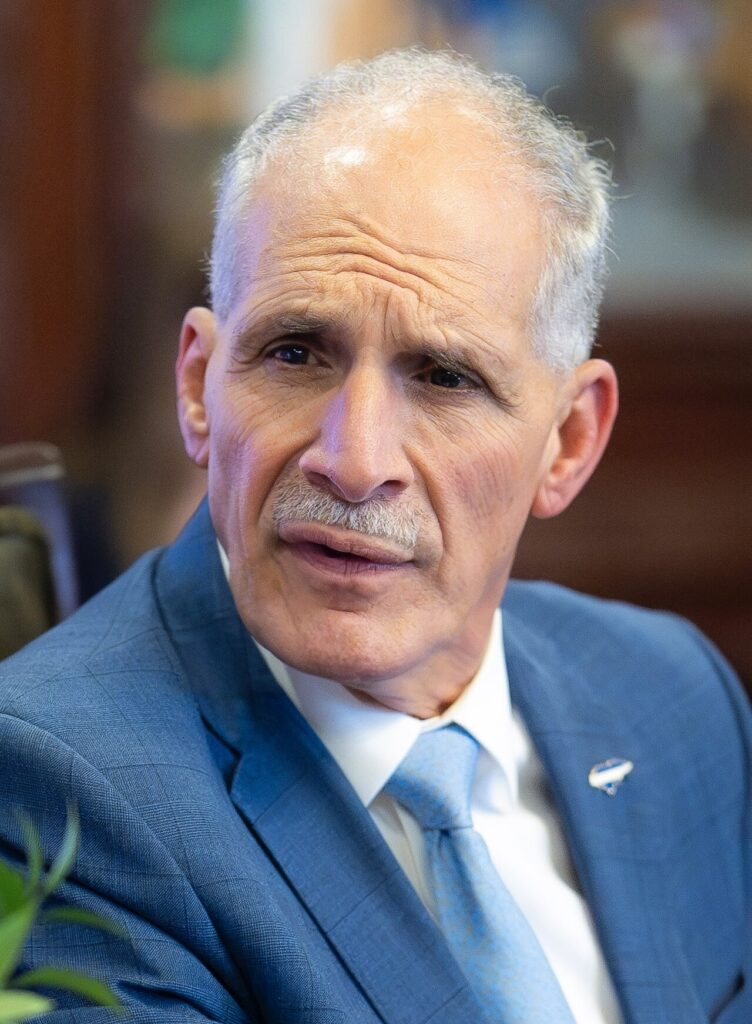
The Honduran National Electoral Council has declared National Party candidate Nasry Asfura the winner of the presidential election, nearly a month after the vote was held. This announcement brings an end to the uncertainty that had gripped the Central American nation since the election day. Asfura’s victory is seen as a significant development in the country’s political landscape, and it will be closely watched by regional and international observers.
Honduras, a country with a rich cultural heritage, has a long history of Mesoamerican cultures, including the Maya, before it was colonized by Spain in the sixteenth century. The Spanish introduced Catholicism, the Spanish language, and various customs that have blended with the indigenous culture, shaping the country’s identity.
Honduras gained independence in 1821 and has since navigated a complex path of political development, with the United States playing a significant role in the region as a whole. The US has traditionally been a key partner for Honduras, providing economic and security assistance, and the new administration will likely be watched closely by Washington. The election itself was a closely contested affair, with Asfura facing off against candidates from other major parties.
The National Party, which Asfura represents, has a strong base of support in Honduras, and his victory is seen as a reflection of the party’s enduring popularity. Asfura’s campaign focused on issues such as economic development, security, and corruption, which are pressing concerns for many Hondurans.
The new president will face significant challenges in addressing these issues, including the need to boost economic growth, reduce crime, and improve governance. Asfura’s victory has been welcomed by some of Honduras’ international partners, including the United States. The US has a strong interest in promoting stability and democracy in the region, and Asfura’s election is seen as a positive development in this regard.
The US President has traditionally been a key player in regional diplomacy, and it is likely that the new administration will seek to build on existing relationships with Honduras and other Central American countries. This could involve increased cooperation on issues such as trade, security, and migration, which are critical to the region’s prosperity and stability. In contrast, the reaction from other global powers has been more muted.
China, which has been increasing its diplomatic and economic presence in the region, has not yet commented on Asfura’s victory. However, it is likely that Beijing will seek to build relationships with the new administration, given Honduras’ strategic location and natural resources.
Iran’s government, which has been accused of meddling in regional affairs, has also been silent on the election outcome. Given Tehran’s history of hostile actions in the region, it is likely that the new administration will be wary of Iranian overtures. As Asfura prepares to take office, he will face a daunting array of challenges.
The country’s economy is struggling, with high levels of poverty and inequality. Crime and corruption are also major concerns, with Honduras having one of the highest homicide rates in the world.
To address these issues, Asfura will need to work closely with international partners, including the US, to secure assistance and investment. He will also need to build a strong and effective government, one that can deliver results for the Honduran people. With the country at a crossroads, the new administration has a unique opportunity to shape Honduras’ future and promote a more prosperous and stable region.
Looking ahead, the next few months will be critical in determining the trajectory of Asfura’s presidency. The new administration will need to move quickly to address the country’s pressing challenges, while also building relationships with international partners. The US, in particular, will be watching closely, given its significant interests in the region.
As the situation unfolds, one thing is clear: the outcome of the presidential election marks a new chapter in Honduras’ history, one that will be shaped by the complex interplay of domestic and international factors. With the right policies and partnerships, there is a chance for Honduras to make significant progress and promote a more stable and prosperous future for its people.




