
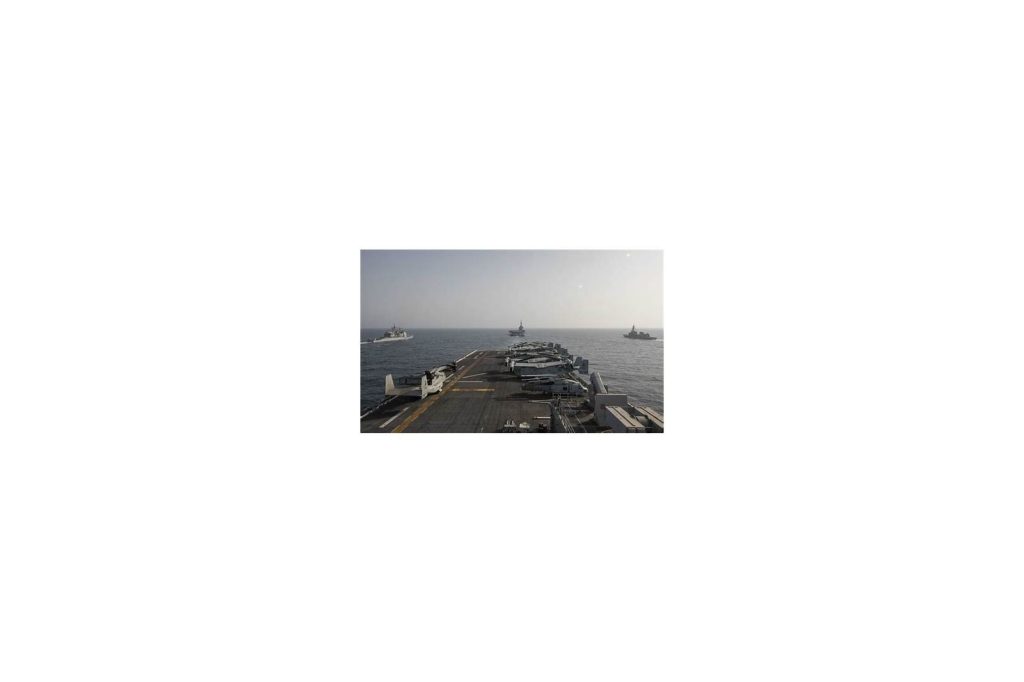
MANAMA, July 7 — For communities across Asia that depend on the free flow of energy and goods through the Middle East, the Strait of Hormuz crisis is not a distant headline. It is a matter of daily cost and security.
The United States Central Command, or CENTCOM, is leading the military response in the region. General Michael Kurilla commands CENTCOM, which oversees the U.S. Fifth Fleet based in Bahrain. On the other side, Iran’s Islamic Revolutionary Guard Corps Navy, directed by Rear Admiral Alireza Tangsiri, has been a key actor. Iran’s regular navy, the Artesh, also operates in the same waters.
For families across the Philippines, Indonesia, and other Asian nations, this matters deeply. Many work as seafarers or in overseas jobs that rely on stable shipping lanes. A disruption in the strait could mean higher prices for fuel and everyday goods.
The United Kingdom maintains a naval presence in Bahrain and has joined the International Maritime Security Construct, established in 2019. Regional allies including Saudi Arabia, the United Arab Emirates, and Bahrain host U.S. bases and participate in maritime security coalitions. Oman, which shares control of the strait, often mediates between Iran and the West.
Israel has expressed concern as well. Iran’s proxies, including Hezbollah and Houthi rebels in Yemen, could threaten Red Sea shipping. That would add another layer of risk for cargo routes that connect Asia to Europe.
The UN Security Council has held closed-door meetings on the crisis. What it means for people closer to home is straightforward: the stability of the strait directly affects the cost of rice, cooking oil, and fuel in markets from Manila to Jakarta.
For now, the situation remains tense. The key players are the United States, Iran, and regional allies. No resolution has been announced, and the Security Council’s discussions have not produced public agreements. The next steps will determine whether Asian households see relief or further strain.




