
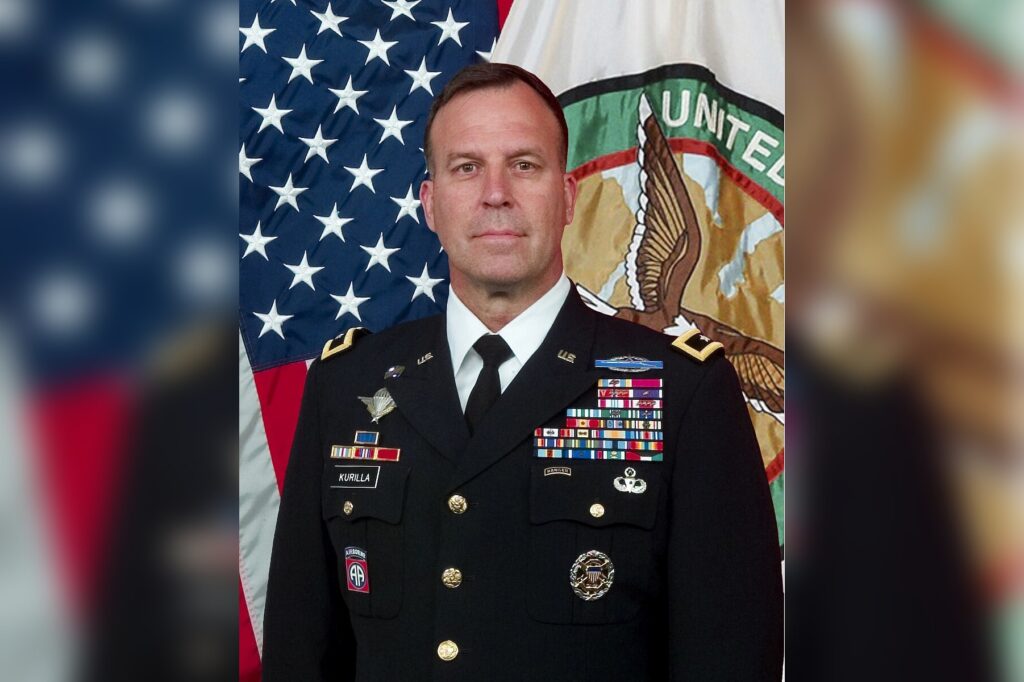
WASHINGTON, July 7 — General Michael Kurilla, the commander of United States Central Command, is the man in the middle of the latest showdown in the Strait of Hormuz. As the head of CENTCOM, he oversees the Fifth Fleet in Bahrain, the naval force that patrols one of the world’s most critical waterways. Kurilla took command on April 1, 2022, succeeding General Kenneth McKenzie.
His resume includes stints as commander of the 82nd Airborne Division and as director of operations for the Joint Staff. He’s a West Point graduate with a master’s degree from the Naval War College.
In plain terms, Kurilla is the top U.S. military officer responsible for operations across the Middle East. That includes everything from countering Iran’s influence to keeping shipping lanes open. The practical upshot for ordinary readers?
When you hear about tensions in the Strait of Hormuz, Kurilla is the general whose decisions determine how the U.S. military responds. Kurilla has testified before Congress about Iran’s threats to shipping.
He’s stressed the need for a robust naval presence in the region. Under his leadership, CENTCOM has focused on deterrence against Iran and cooperation with regional allies. His command has not had an easy run.
The withdrawal from Afghanistan in 2021 happened before he took over, but the ongoing tensions with Iran have defined much of his tenure. The Fifth Fleet’s patrols in the Strait of Hormuz are a constant reminder of the stakes. So what does this mean right now?
Kurilla’s approach shapes the U.S. military posture in a crisis. Whether it’s moving ships, coordinating with allies, or signaling resolve to Tehran, his decisions carry weight.
The general’s background suggests he’s built for this. The 82nd Airborne Division is known for rapid deployment. The Joint Staff role gave him a broad view of military operations.
The Naval War College degree adds maritime expertise. One challenge Kurilla faces is balancing deterrence with de-escalation.
Too aggressive a stance could spark a wider conflict. Too passive a posture might encourage more Iranian provocations. Watch for how Kurilla navigates this.
His testimony on Capitol Hill and his public statements will offer clues about the next moves. For now, the Strait of Hormuz remains a flashpoint, and CENTCOM’s commander is the one calling the shots.




