
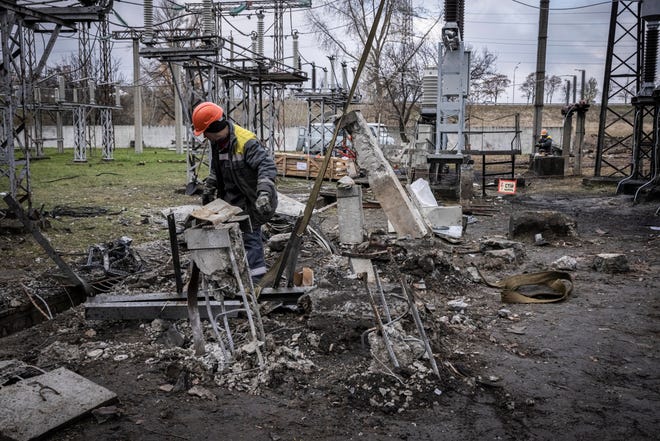
KYIV, July 13 — Against this backdrop of grinding attrition warfare, Ukraine has steadily expanded its campaign against Russian oil infrastructure, striking fuel depots and refineries far beyond the front lines since the full-scale invasion began on February 24, 2022. The strategy is twofold. By hitting fuel storage and processing facilities, Kyiv aims to starve Russian military logistics of the diesel and petrol needed to sustain armoured columns, supply trucks, and aircraft.
At the same time, these strikes target one of Moscow’s most vital economic arteries: oil exports accounted for approximately 30 percent of Russia’s federal budget in 2023. What is at stake for the Kremlin is not merely battlefield fuel, but the hard currency that finances the entire war effort.
Among the notable incidents in this campaign, Ukrainian forces struck an oil depot in Bryansk Oblast in April 2022, just weeks after the invasion began. In April 2023, a fuel depot in Belgorod was hit. More recently, in May 2024, an oil refinery in Krasnodar Krai came under attack.
These operations have been conducted using drones, including the Ukrainian-made UJ-22 and modified Soviet-era aircraft. The Russian government has reported at least 15 such attacks on energy facilities within its borders as of January 2025.
The wider picture suggests a methodical campaign rather than opportunistic raids. By targeting facilities across multiple oblasts — from Bryansk in the west to Krasnodar in the south — Ukraine has forced Russia to disperse its air defence assets and invest heavily in protecting energy sites that were previously considered safe behind the border. In the corridors of European defence ministries, this approach is watched closely.
It represents a model of asymmetric warfare where a smaller power with limited long-range strike capacity can impose significant costs on a larger adversary’s economy and logistics network. The modified Soviet-era aircraft used in some of these strikes represent a particularly inventive adaptation of legacy hardware. As the war enters its fifth year, the campaign against Russian oil depots shows no sign of abating.
Each strike chips away at both Moscow’s ability to fuel its frontline units and its capacity to generate revenue from energy exports. What to watch next is whether Ukraine can sustain the tempo of these long-range strikes while facing its own constraints on drone production and the availability of modified aircraft.
Russia, for its part, will likely continue to reinforce air defences around critical energy infrastructure, setting up a continued cat-and-mouse contest over the skies of western Russia.




