
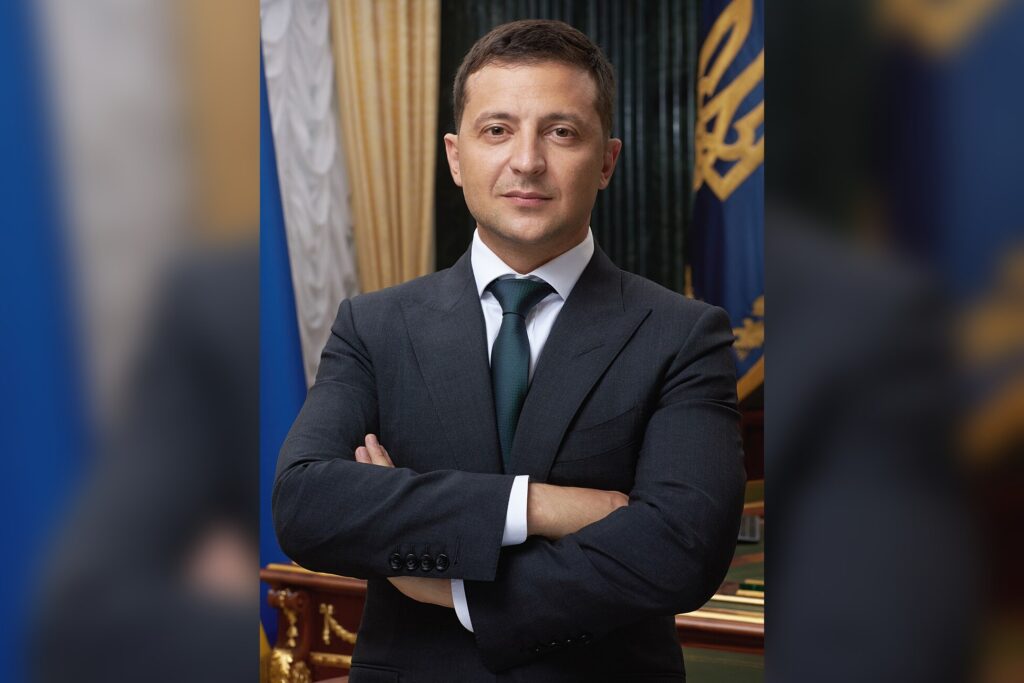
KYIV, July 11 — Ukrainian President Volodymyr Zelenskyy claimed in February 2025 that elements within Russian President Vladimir Putin’s inner circle are privately open to peace negotiations. The assertion, made in an interview, points to what Zelenskyy described as support for ending the war among unnamed members of the Russian administration.
The catch is that no independent verification of these divisions has been possible. The claim came more than three years after Russia’s full-scale invasion began on February 24, 2022, a war that has produced tens of thousands of casualties and displaced millions.
The Mechanics of the Claim
Zelenskyy did not name specific individuals or provide evidence of the alleged openness to talks. The statement lands amid a broader diplomatic landscape where Russia has shown little public appetite for negotiation. A proposed peace summit in Switzerland in mid-2024 was declined by Moscow, underscoring the gap between Zelenskyy’s characterisation of private sentiment and the Kremlin’s public posture.
The mechanics here are worth dissecting. If true, the claim suggests a fracture between Putin’s stated war aims and the private calculations of some advisers. But scepticism is warranted: the Ukrainian president has an obvious interest in portraying Russian leadership as internally divided, potentially to encourage Western allies to maintain pressure or to signal that diplomatic openings exist.
Follow the Money
On closer reading, the timing of Zelenskyy’s statement ties into the broader financial architecture of the conflict. Ukraine has received significant military and financial aid from the United States and European allies. The flow of Western support has been a critical factor in Ukraine’s ability to sustain its defence, and any suggestion of a potential off-ramp could influence the calculus of donor governments weighing further appropriations.
The war remains the largest in Europe since World War II. No ceasefire was in place as of early 2025, and the front lines have shifted little in months. The economic toll on both sides is immense, but precise figures remain difficult to verify independently.
What to Watch Next
The key question is whether any concrete diplomatic track emerges from Zelenskyy’s claim. With Russia having skipped the Swiss summit and no direct talks between Kyiv and Moscow underway, the path to negotiations appears blocked. The assertion of internal Russian dissent may be real, or it may be a strategic signal designed to shape Western opinion. Either way, the burden of proof remains on the Ukrainian side to substantiate the claim, and on the international community to determine whether any genuine opening exists.




