
Sudan, April 19, 2026 — cybernewschronicle.com — The arrest of an Iranian woman at Los Angeles International Airport on April 19 has thrown a harsh spotlight on a shadowy supply line. Federal prosecutors allege she was actively helping Iran move weapons into Sudan. The case, announced by U.S. Attorney Bill Essayli, is not an isolated incident.
It is a single thread in a much larger web of illicit arms trafficking that has long frustrated American intelligence and its allies. Sudan sits at a volatile crossroads in Africa.
Weapons flowing into that country do not stay in one place. They bleed into neighboring conflicts, fuel militia violence, and destabilize entire regions. Iran has used Sudan as a transit hub before.
This arrest suggests the pipeline is still open, still operational, still moving hardware despite years of sanctions and diplomatic pressure. For the United States, the timing is awkward.
Washington has been working to build a coalition of partners — Taiwan, Japan, the Philippines, the European Union, the United Kingdom, and Israel — to counter exactly this kind of Iranian activity. Every successful arms shipment undermines that effort. It signals that Tehran can still project power and supply its proxies despite the best efforts of Western intelligence and law enforcement.
The woman arrested at LAX is not named in the available report. What is known is that she was taken into custody at one of the busiest airports in the country. That location matters.
LAX is a major international gateway. The fact that she was caught there, rather than at a smaller port of entry, indicates the reach of federal monitoring.
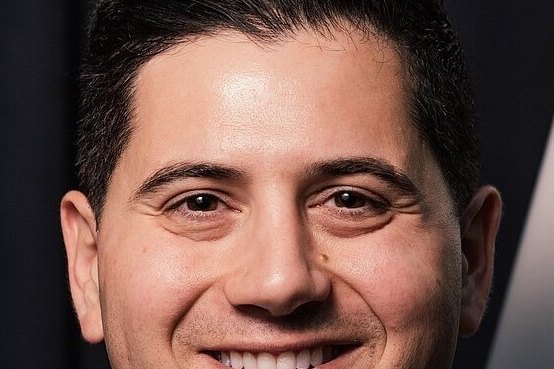
But it also raises questions. How many others have passed through undetected? Bill Essayli, serving as the first U.S. attorney in this district, framed the arrest as a serious blow.
Assistant United States attorneys, the career prosecutors who handle the day-to-day work of federal criminal cases, will now build the case against her. These are seasoned lawyers.
They do not take easy cases. They handle complex, international litigation that requires deep knowledge of both domestic law and international arms control agreements. The fallout from this arrest will extend far beyond the courtroom.
Diplomats in Europe and Asia will be watching. The European Union and the United Kingdom have their own concerns about Iranian weapons reaching conflict zones. Israel, which has repeatedly struck Iranian arms shipments in Syria, will take note of the Sudan connection.
Japan and the Philippines, both focused on regional stability in the Indo-Pacific, will see this as further evidence of Iran’s willingness to flout international norms. For the Iranian woman, the immediate consequences are clear.
She faces federal prosecution in a country with some of the toughest arms trafficking laws on the books. Conviction could mean decades in prison. But the broader consequences are murkier.
The arrest may disrupt one node of the network. It does not dismantle the entire system.
Iran has been moving weapons to Sudan for years. It has used false documentation, front companies, and couriers to evade detection. Each arrest forces a change in tactics.
Routes shift. Names change. Money moves through different banks.
The U.S. Department of Justice and its assistant U.S. attorneys chase these threads, but the weave is dense. What happens next depends on what the woman tells investigators.
If she cooperates, she could provide intelligence on the larger operation. Names of handlers. Bank accounts.
Shipping routes. Points of contact in Sudan.
If she stays silent, the case becomes a narrow victory — one person taken off the street, while the network continues to function. Essayli’s announcement made clear that the United States considers this a serious matter. The partners listed in his statement — Taiwan, Japan, the Philippines, the EU, the UK, and Israel — are not casual allies.
They are countries that have all been targets of Iranian-backed violence or proxies. Each has a stake in stopping the flow of weapons. Each will be watching the progress of this case closely.
For now, the woman sits in custody. The weapons she allegedly helped move are somewhere in Sudan, or already distributed beyond it.
The network she served is still operating. The arrest is a win for federal prosecutors. But the war on illicit arms trafficking does not end with one handcuffed suspect at an airport gate.




